
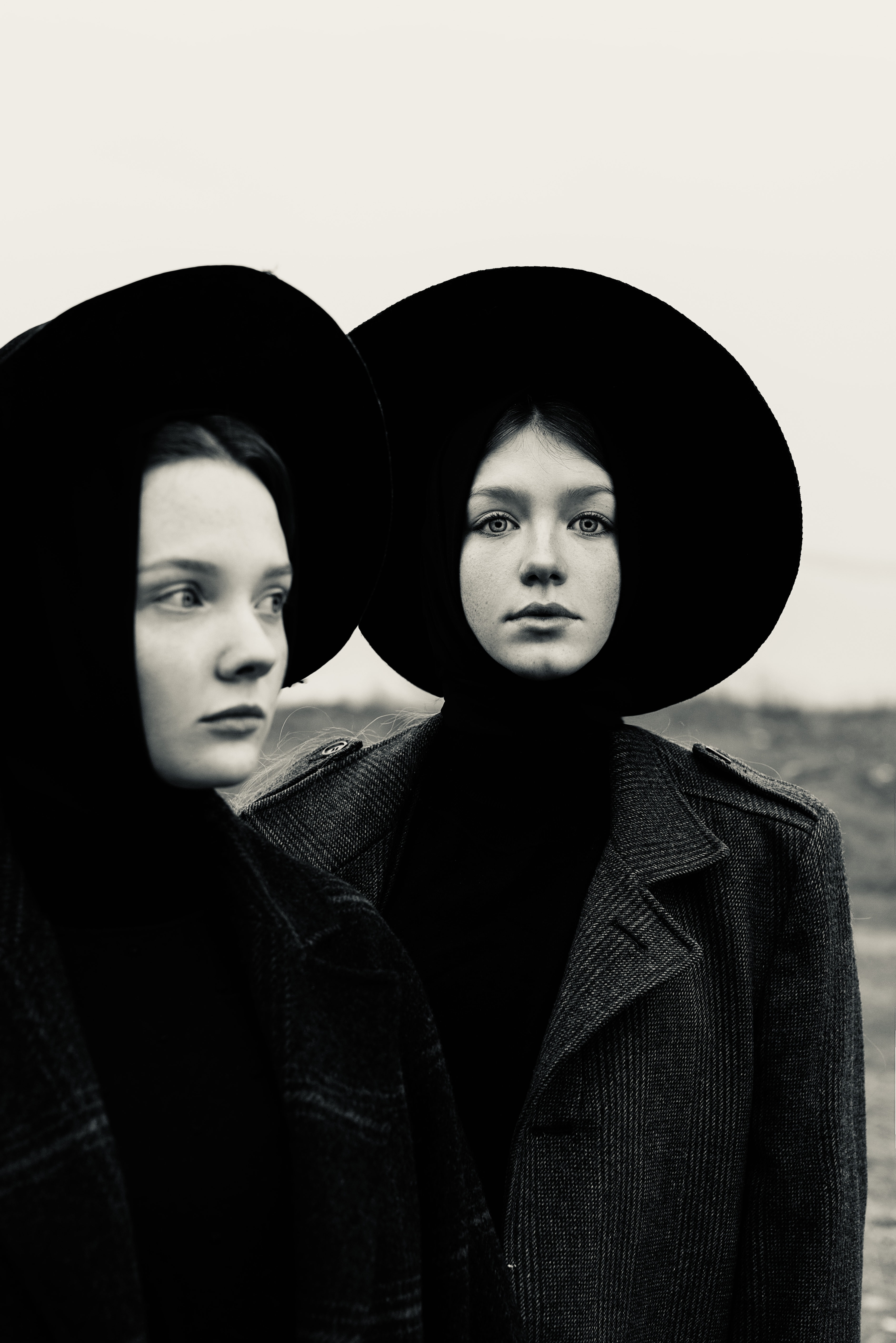
Margaret Atwood in her book ‘On Writers and Writing’ talks of authors living in a life of split-personality. Like Dr Jekyll and Mr Hyde we exist with a darker self, our writer’s voice or being. Whilst we live good wholesome lives earning a crust to support our writing identity and enable us to do the thing we love, when faced with a blank page and a typewriter we turn dark. We will happily murder a character that our poor readers have grown to respect and love. We will with joy bestow upon a poor child a life of misery in the harshest of conditions with no seemingly way to exist the torment. We will bring death to the door of a beloved pet. All for the story. Always to the unseen god of story.
It is no wonder then that some readers when faced with the writer in front of them may confuse the voice of the book, the one they had previously trusted until the heroine died horribly in a fire, is the same as the voice of the writer. That both hold the same sentimentalities and beliefs. That both are not indistinguishable from the other. After all, are not writers told to ‘write what you know?’ What more evidence is needed then that the writer is capable of these hideous offensives?
Yet, when writing the writer often detaches themselves from their character and world. Yes, there may be elements of their psyche that influences the path of the story. But the story is a being onto itself. The characters make demands. Choose their own paths. You may hope a character will do certain actions but the god of story may demand otherwise. And who is brave enough to oppose the god of story? Those who do sacrifice their existence.
 SLAMFitzsimons