guilty

i have a confession to make. it is something i’ve been keeping hidden for a long time. something secret that i only do in the small hours of an evening. when the shadows crawl in across the floor of the room and my family are in their beds asleep. it is something to be done in the near dark.

i got dragged in out of curiosity. i had heard a lot about it and my interest was aroused. my feelings towards it were animosity. it was something we could all do without. something dangerous. something world destroying. career destroying. but my interest was piqued. i wanted to see. see what the fuss was about. then leave it alone. that’s how it got me.

it was late at night. house silent. me alone downstairs. i admit i had a few glasses of wine. maybe that was the cause. and the ipad was on. so i guess i’m saying it was inevitable. not my fault. it was going to happen sometime. it happened then.

i went into google. google ai. and i typed: tell me about the writer slam fitzsimons. i was expecting nothing. or a sentence at best. i was shocked and pleased at the same time by what it found. paragraph and paragraph about me as a writer appeared. i was amazed. it said nice things about my writing style and my work. i couldn’t even get my family to do that. i existed as a writer. those hours i had spent writing short stories, novels, prose-poems, and performing spoken word were noticed. i existed. i existed on the internet and i would not be forgotten. there would be an ai somewhere that remembered me. the world might remember me. i hadn’t wasted my time in the corner of pubs and cafes scribbling. scribbling something no one would read. it would exist as a summary somewhere.

i took a sip of wine. a sip of wine to drown my guilt. the guilt of emptying a lake somewhere of water and an electricity grid of power to find out if i existed. i was reassured. i could now leave it alone. couldn’t i?

rebellion

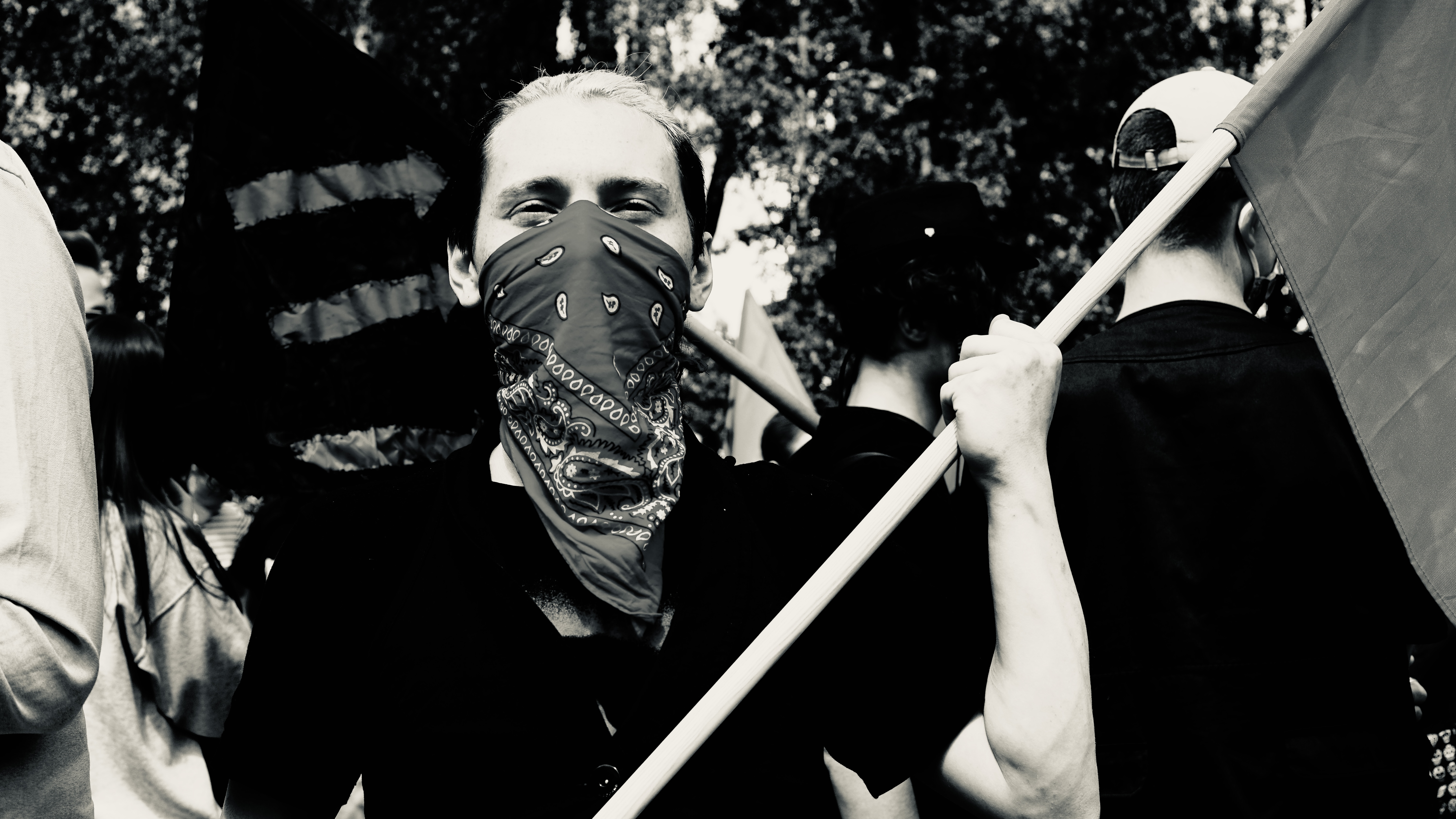
masked person holding a flag in front at a crowd at a protest

if you sit down in a room or in a corner of a cafe or bar and write you are engaging in an act of rebellion. you are choosing to go against the norms of polite society and do something out there. you have made the conscious decision to shun communication and contact with your family, friends, colleagues in order to sit down and put words on the page. you are being deliberately antisocial. you are saying to other members of society to leave you alone. you do not want to chat about the weather, their day, what to have for dinner, a program on tv, what’s happening in the news, the wider world. you don’t want any of that. you demand silence. to be left. to be left to sit in your corner tapping away at a keyboard or scribing on a page. those who dare interrupt are in danger of releasing a beast of contempt at being so thoughtless as to dare interrupt the great undertaking of putting words on the page. yet later. we may forgive. and come worming into your affections asking you to read what we have written. to comment upon it. (positively). to exalt our act of rebellion.

if you sit down in the corner of a room and write you are engaging in an act of rebellion. you are stating that you will be different from the others. you will create something that no other before has created. you will carve your own path. you will prove the gate keepers wrong. battle the market forces. to produce something that has only value to you but none the less should be shared widely. you demand it so. you will think the gate keepers blinded. foolish. lost. how could they have failed to see the brilliance in your words. the genius that lay within. you will show them. again. you will fight. you will put more words on the page. give some away free. to hell with market forces.

if you sit down in the corner and write you are engaging in an act of rebellion. you are cramming together things that should not be put together. crossing the genre boundaries of reason. forming situations that question the status quo. asking why? what if? to think and write is rebellion. the taking of ideas and expressing them when others may disagree. may question if such a path is wise. you do it anyway.

the rebel must be protected. their source material saved. their output sought. shun the bland. the conformity. embrace the different.

writer’s time

Man in gray suit and brown hat sitting on brown wooden bench

when you are at school as a child they teach you that there are sixty seconds in a minute and sixty minutes in an hour and twenty-four hours in the day. but experience soon dawns on you that the teacher lied. you sit in class doing an exercise in your book waiting for the hands on the clock to move around and say it is home time. but no matter how much you will it. pray for it. it doesn’t happen. and you realise in that moment that in fact time has slowed down to a crawl. it is barely moving. it is working to thwart your plans.

and then on those rare days when your parents are not too busy and take you somewhere. a trip to the beach perhaps. you are loving the experience. building sandcastles. paddling in the waves. eating an ice-cream. but before you know. seemingly within seconds. it is announced you have to return to the car and head home. how had time moved so quickly then? why had it sped up to spoil your fun.

the same happens over longer periods. growing up as a teen you never seem to be getting old enough to do the things you want to do. you are always being told you are too young and have to wait. time seems to drag before those restrictions are lifted and you are free.

but when you are older the years whizz by. you were in your thirties then you are nearly a pensioner. a senior citizen. who took those years? where did they go? how did you get to be old?

the same tricks of time can happen when writing. you can be sat at home or in a pub or cafe faced with an empty page. first time moves slowly as you try to formulate ideas and not be distracted by the arsehole talking loudly on their mobile phone or the toddler who has decided to run up and down the length of the room being a plane whilst ignored by their parents. you knuckle down. get a few words on the page. then after a third of a page you hit your stride. the words are flowing. your mind has taken you out of the room to the writers’ place. the realm of thought and imagination combined with the physicality of putting words on the page. you are lost to that world. page after page is filled. you come to a natural pause. you look up at the clock. you wonder why it is now dark outside and how it got so late. a mere moment was in fact hours.

so if you want to beat time. use it to your advantage. take up writing. it transforms the ticking of the hands. it allows you to time travel. go from place to place. be in a room but not in a room. dissolve to nothingness. in your corner of the room.

the death of the working class writer

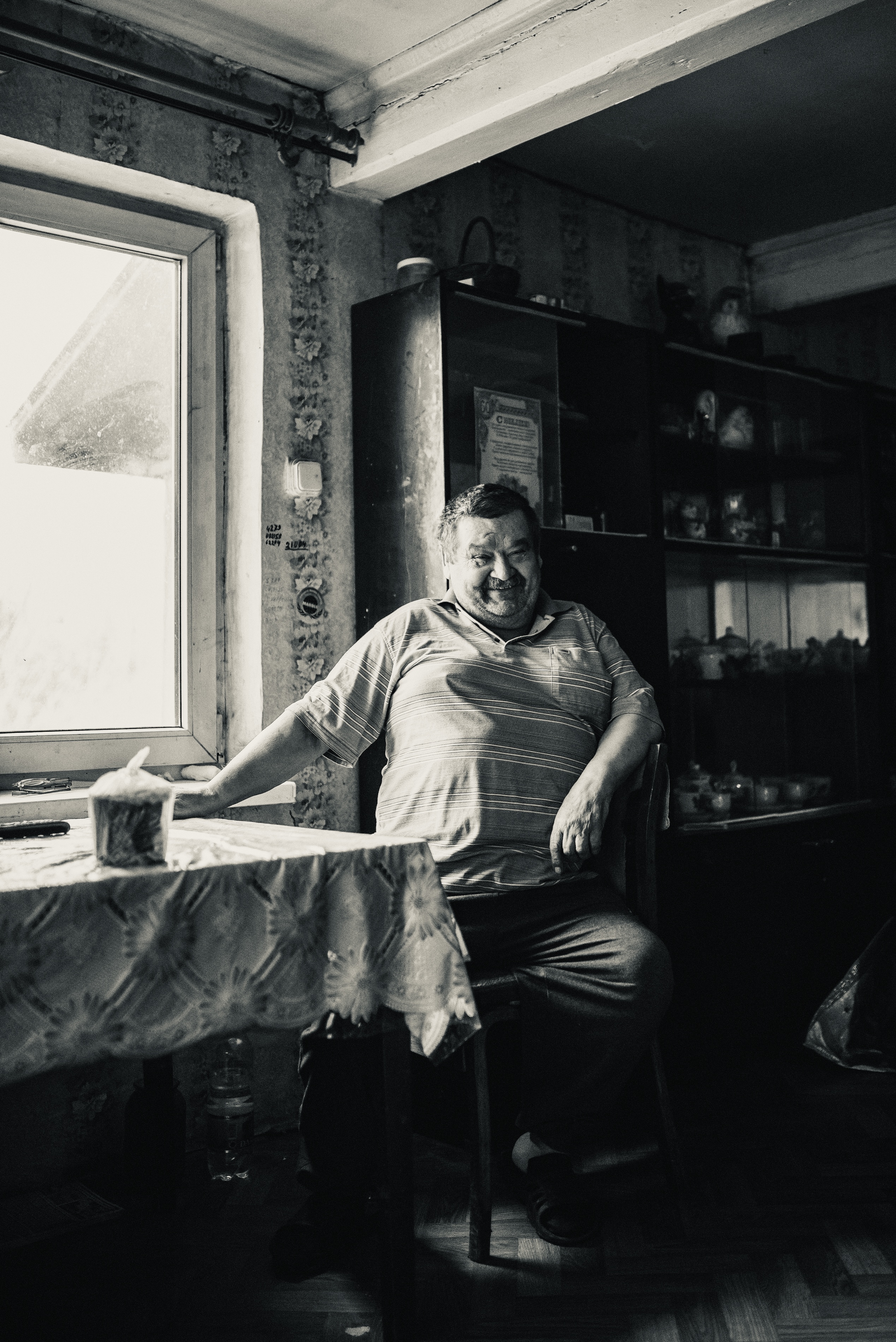
monochrome,image of man in short. sleeved shirt sitting in a kitchen with a drink on the table next to him

the educational section of the guardian is full of stories recently of universities cutting HE courses in multiple subjects. quite often the arts are hit leaving behind business studies, law, and the sciences. anything that might turn a profit according to government thinking. ignoring in its wisdom the large percentage of GDP that the creative industries give to the national economy.

but even if the arts course still exists at university and you are able to study creative writing there remains a steel barrier to the admittance of anyone from a working class background – student fees. the introduction of annual fees to pay for the tuition combined with maintenance costs discourages many from a working class background. how can you justify following a dream, a passion, when bills need to be paid and your family is in need of much needed cash? particularly in an industry where there is no guarantee of regular income.

even when there were no fees up front years ago when i went off to study there were still barriers. other students received weekly allowances from their parents and talked of foreign holidays over the summer. i focused on covering my £5 food bill each week and knew i would be working over the summer break.no holiday for me. i lived on vegetable stew, vegetable curry, porridge and peanut sandwiches. no hanging out in the student cafe for me. many students regularly skipped lectures and did other things. i couldn’t. i didn’t have the luxury of failing. i had to succeed to earn money.

even if the modern working class would be writer gets a degree or goes directly into the world of work there are other barriers awaiting them should they scrape enough time to be able to write and finish a book. they have to get the book published. in a 2016 paper from goldsmiths, dr david o’brien suggests that 10% writers are from a background where parents did routine or manual labour make up the overall number of writers. 12% of working class people worked in publishing.

chris mccrudden, a communication planner who dissects data stated: publishing is an upper-middle class industry whose output caters to upper-middle class tastes. so how is a working class writer going to get their worked published if this class of people are the gate keepers? how are the gate keepers going to relate to the experiences of someone with such a different background and worldview?

it has been noted that the uk publishing industry is the least socially diverse of all uk creative industries (guardian, kit de waal, feb 2018) with the sutton trust stating the number of creative and writing roles has roughly halved since 1970s. the ladder is being pulled up and the class ceiling grows thicker.

there seems to be little if any appetite amongst members of the government to address this issue. student debt continues to grow as the government looks to giving ai tech firms a free hand to ignore copyright safeguards thus diminishing the already regressive returns to the creatives.

only those from the wealthy backgrounds can afford to take on the student debt for a creative pursuit or help fund a would be novelist as they develop their craft and seek publication. even when published the returns are slim and additional financing is needed.

what can be done to give all creatives, particularly those from a working class background ground a leg up? ireland seems to be showing the way. a universal basic income for all creatives. early signs show this has resulted in greater financial returns than the money invested. it removes the financial worries from the writer in meeting bills and being able to afford food and frees them to focus on the creative project in hand. this can only lead to cultural enrichment for britain and a growing percentage of gdp in the creative industries. but we need a brave progressive government to take that step rather than one that follows a regressive well worn path.

the curse of spring

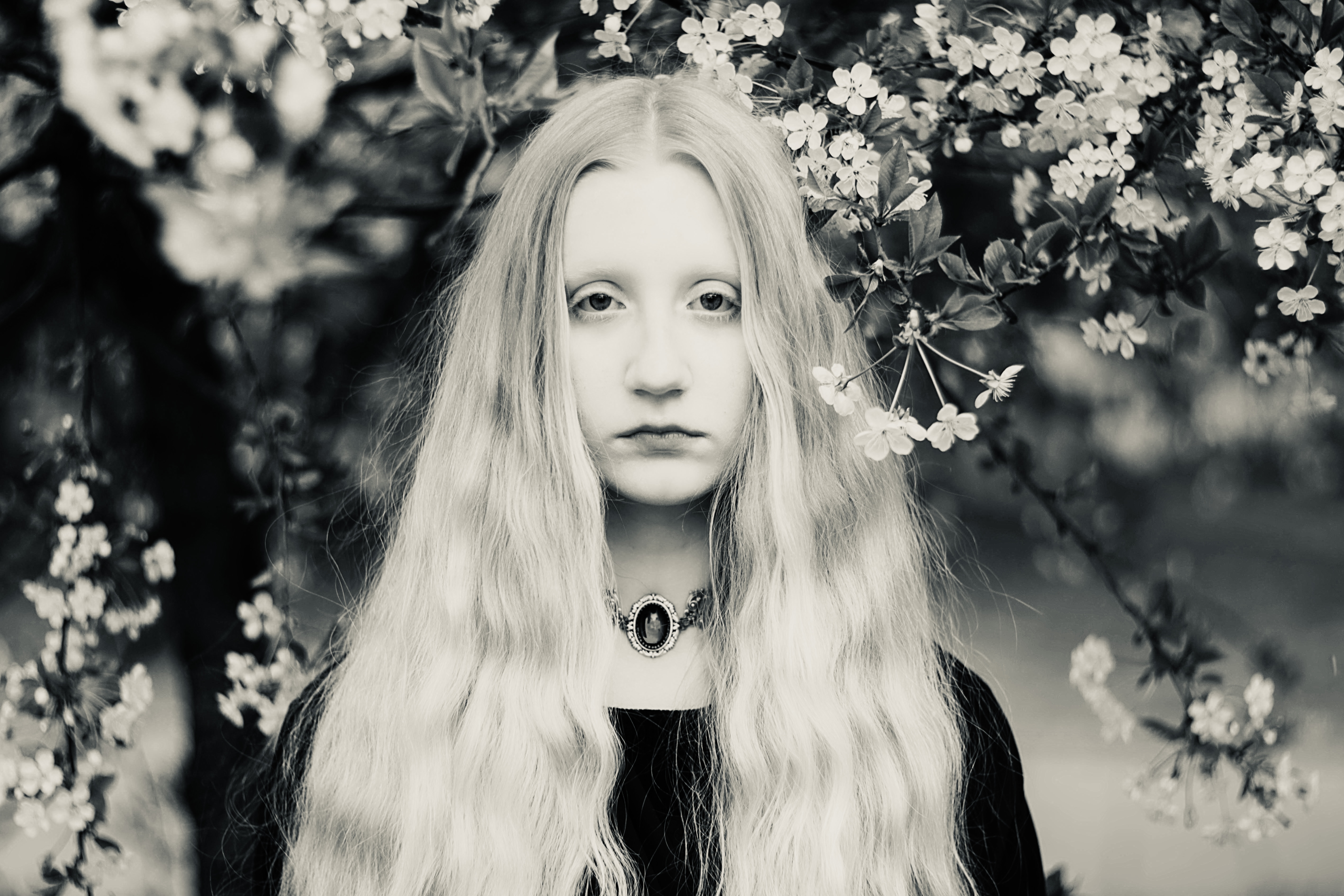
Woman with blonde hair standing near green leaf tree

the months move on and the cold dark days of winter begin to fill with the light and warmth of spring. plants awaken in the garden spreading their leaves and the flowers blossom. animals play and skip across the grass with a spring in their step. literally. you would think with all this light and energetic joy writers would be happy. no. spring is the cursed month.

you may ask how i come to describe so a glorious time of year as cursed. well let’s look at the facts from the writer’s point of view. first all this sunshine and warmth. annoying. you are trying to buckle down to a particularly difficult rewrite of a paragraph in your dark and dinghy corner of an attic room with the cobwebs in the corners of the ceiling sagging with the dust of neglect. and what happens? sunlight breaks through the grime of the window and shines upon your desk lighting up your laptop screen making it difficult to see. the suns warmth beckons you outside.

‘come on,’ it says. ‘take a break. enjoy the sun.’

and you think to yourself: i will take a break. and before you know it you are sat on a whicker chair with a cool rosé in hand taking in the sun rays. time ticks on. you have another chilled drink. and before you know it the day has gone. the sun has set. and no work has been done. a whole day’s writing lost to you. never to be regained. instead you now have a feeling of reproach and guilt consuming you as you make your way indoors to the kitchen to make a chilled salad. all because spring is here.

and that is not the only way the season is cursed. picture this. you are in your attic tapping away at the keyboard. the edits are going well. you are fully focused. in the zone of creativity. then in the corner of your eyes there is a slight itch. just slight at first. you try to ignore it. but the itch grows. so you stop your typing and rub your eyes. you have fallen out of the zone. you try to claw your way back. but now your nose is twitching. you are going to sneeze. you try to hold it back. nose twitching violently. a sneeze blasts out that echoes across the attic room. filling the space. bouncing off the walls. another. and another. and you are reduced to a sore-eyed-weeping-water-sneezing-violently-wreck. you can not think. mind numbed. cloudy. all thoughts on the novel lost. you have hayfever. the fever from hay. and it is a fever. the eyes leak. your nose drips. your face feels warm.

you search for the hayfever medication. you hold the purple box in your hand but it is empty. so you have to leave the house. leave your writing. and go to the chemist where you purchase a box of medication at a price slightly too painful. you could have got new pens with that money. paper for the printer. but instead you had to buy medication. you go home and swallow a tablet. but of course there is no instant cure. hayfever medication doesn’t work that way. you have to build up a resistance. it takes time. so all you can do whilst waiting is lie on the sofa with a box of tissues to hand and think about the writing you could be doing and blame the god of genetics or something.

so enjoy spring if you can. enjoy the sun and flowers and the pollen on the trees and walks in the woods through dappled light. but remember the harm that it does. remember the curse it puts poor writers under. the curse of spring.

in praise of slow

Black and yellow line on black asphalt road with words "rapid " and "slow " written on it.

Image by Constantin Stanciu

in today’s world modern technology has added a lot to enhance everyday living. it enables us to communicate across vast distances, simplifies many daily tasks, and enables advances in many scientific areas. it helps us to perform tasks that were once long and laborious in minutes. it removes the time from a task.

we have engaged with tools when word processing to simplify and speed up the process of writing. the spell and grammar checker. the formatting tool. all of these has aided to quicken the time between the generation of the idea to it appearing on a page to publication. and now we have “AI” being pushed by large tech companies who promote the speed it can do everyday writing tasks. they say it is the dawning of a new age of writing. that it will enhance our work and make things easier. that the distance between idea to publication is almost nonexistent.

but is this rush to embrace speed such a good thing?

when i write or read i like to take my time. i like to chew the words over in my mouth. formulate and restructure the sentence in my mind. think ahead to where that sentence is going and contemplate what possible one could follow. for a while i dabbled with speeding up my work by writing my first draft directly onto a computer device. i reduced down the process between idea, composition, editing. speed was the king. but was my writing any better? was the process easier? no.

so i went back to basics. i put time back into the process. instead of the computer i switched to a notebook and pen. i allowed myself time to chew over thoughts and ideas. for the sentence to brew in my head. it may have only added a few extra seconds but they were valuable seconds. and i added further time. instead of being in a rush to get everything down i added deliberate pauses. stopping mid scene or paragraph and leaving it to pick up another day. the novel would get written but it needed the time to plant roots, develop its stem system, branch out and flourish.

the writing world has been guilty of this push for speed for a long time. writers publishing word counts. publishers demanding certain word numbers. a false dichotomy that demanded volume over quality. how often have we all read a book and thought ‘this section drags?’ what if there had been a bit less insistence on word count? what if the need for word numbers had been reduced? then we could have spent time on choosing our words more carefully and putting forward our best sentences.

so i demand of myself: be slow. take time in the writing process. don’t rush towards arbitrary targets. reduce the pace. grab a pen and note book. better still a slab of granite and carving tools. chip away at my sentences. letter by letter. word by word. until i have a great monument to my writing. something to stand tall and admire.

ai and writers

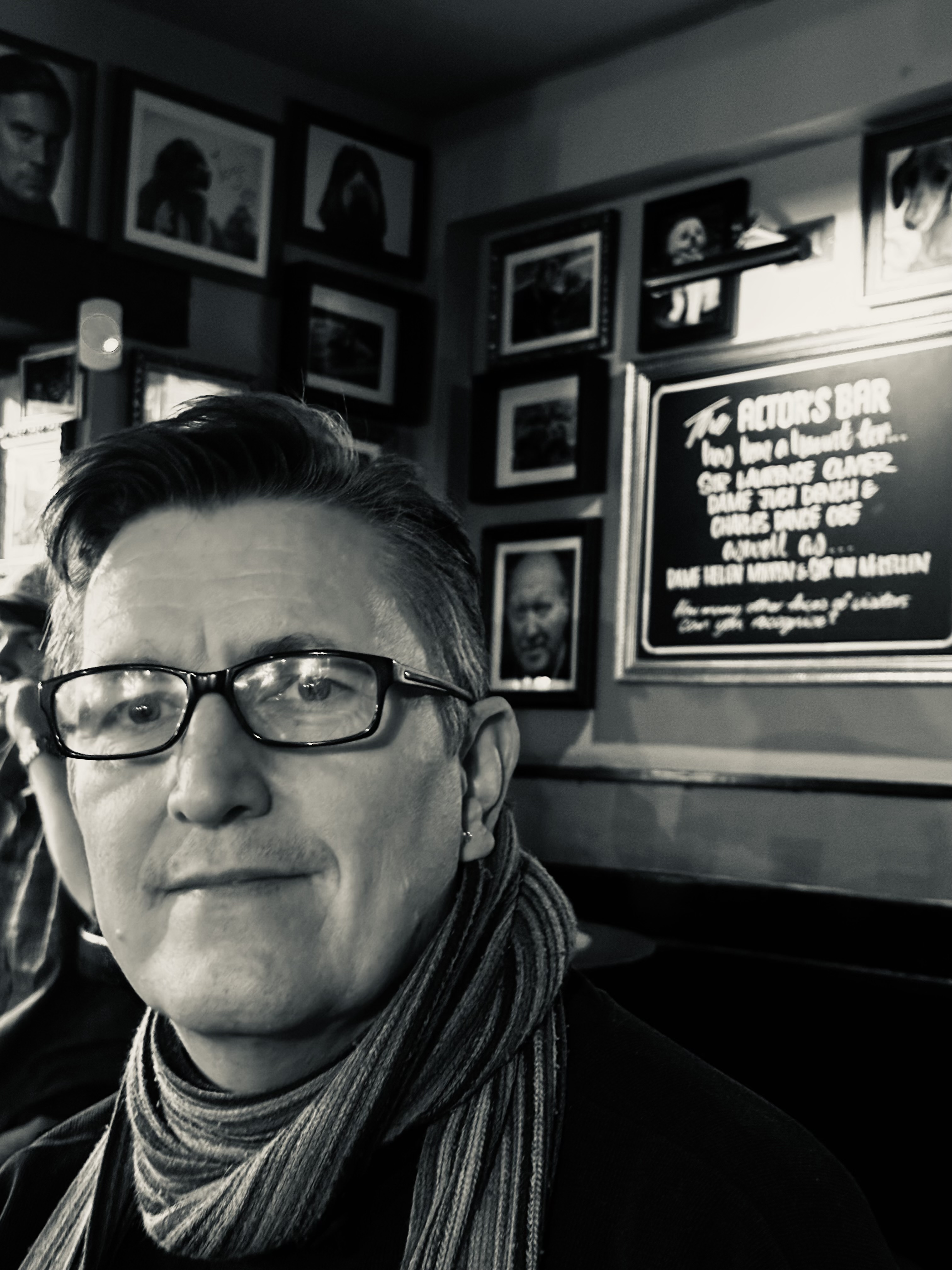
writer SLAM Fitzsimons in actor’s bar, Dirty Duck, Stratford-upon-Avon

there was the recent furore around the novel ‘Shy Girl’ by mia ballard whose book was dropped by hachette after accusations of using AI in the writing of the novel. this lead to outrage pieces on both sides of the AI argument. some were saying that it was a betrayal of the publisher and readership and she should have been upfront about it before submitting. others say it shouldn’t be an issue. the story was her idea and besides we won’t be able to escape ai written books soon. we might as well embrace the technology. it is here to stay.

i tend to be on the side of keeping ai out of the writing process. that just because you came up with an idea and fed it through an algorithm does not make you a writer. writing is a process you have to go through. it is not idea then product. however this position leads to a complexity. where do we draw the line.

do i have to announce if i use the review tool in word. if i get word to check my spelling and grammar am i no longer a writer for using such a technology. should i not instead invest in a copy of a dictionary and a roget’s thesaurus? should i not painstakingly turn the pages of those books to check each word in my novel? or is such use allowed?

i would tend to allow the review tool because the ultimate decision making still lies with the writer. they have to agree or disagree with the spelling suggestions or offers of alternate words. they are still involved in the process of the writing. each word previously was written by the writer prior to using the tool. but i would draw the line after that. no more ai or tech intervention allowed in the writing process. formatting is down to you. the decision to send to an agent or editor yours. ai should definitely not be rewriting paragraphs of your work. it is to be avoided. besides it will take the liveliness out of your writing and turn it beige. all will become standard generic phrasing. the idiosyncrasies of the writer’s voice and style will be lost. rounded. smoothed down. we need the jagged edges.

so let’s all promise to be imperfect. to continue to write in an imperfect way. to produce work that was the best we could make it at the time. lets leave the jagged edges in.

writers in hell

Shadow of person on red wall

writers have had a long association with hell. when in ancient times orpheus descended hell to reclaim his love with poetry he knew what it was to write. he was famed for it and won back the soul of his love. but like many writers wasnt careful of the small print.

writers even today embark on a journey to hell. we willingly undertake writing a novel despite the hardships it may involve. the hours of loneliness in a room as you scribe away at your art. the lack of attention for your work from friends and family. they just aren’t as committed to the project you have spent years on. they may buy a copy under duress and let you know they are being supportive but whether they actually read the book is open to question.

as well as the loneliness there is also the great possibility it will be rejected by the gate keepers and you come to realise that the thing you have spent minutes, hours, years on has been a total waste of time. that it is destined for a drawer somewhere to be forgotten about. rejected and somewhat less than it used to be when you finished the work.

and even if you are lucky enough to get your work published there are the critics. the reviewers. who will happily with little thought give it three stars.which is worse in many ways. at least with one star they really were engaged and thoroughly hated your work and five they loved it to the hilt. but three? its the star equivalent of beige.

and there is nothing we can do but continue with our art. we can but continue to peer like orpheus into hell and think about what we have lost. what we could have had. if only.

plotter or a pantser?

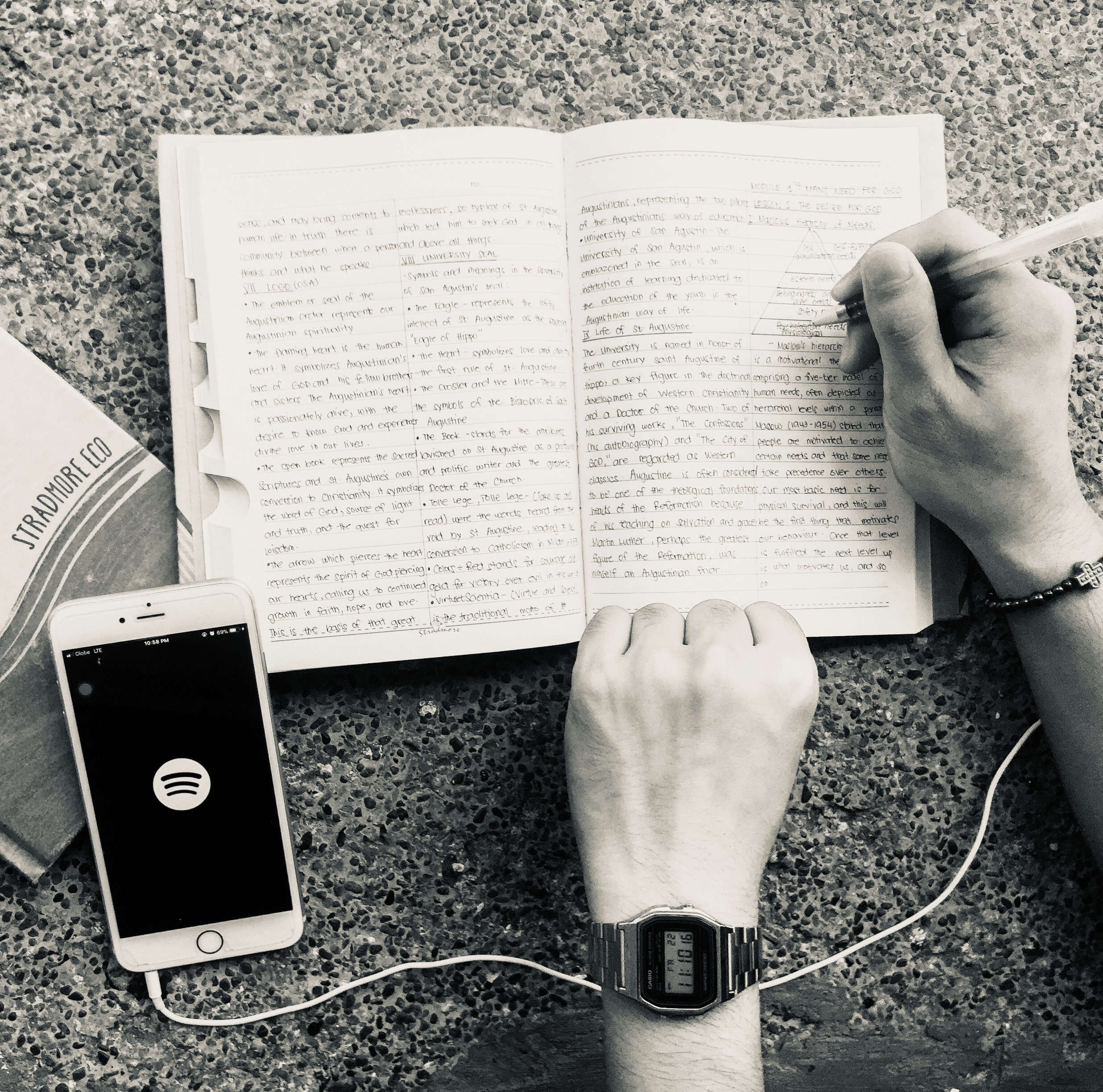
Person writing on notebook and listening to music

it is said there are two kinds of writers: plotters and pantsers. if you’re new to writing and wondering what does that mean, then let me explain.

plotters map out the entire outline of their book. they can plan characters, scenes, character arcs, time lines, settings and so on.

pantsers approach a book by the seat of their pants. they don’t plan anything. they just see the blank page and go for it!

i never quite knew where i fitted in to these groupings when writing. my first book i wrote without any planning. i just knew what it was about and i sat down and wrote it. it was a children’s book of about 18,000 words and those words and the story just sprung to mind. i knew who the main character was and what the story was about. it was a straight forward tale which followed a main character on their humorous adventure.

the second book needed a little planning. i wrote a sentence saying what each chapter was about. it was still mainly driven by one main character but their was a sub-plot with a few others characters involved. however it was still a straight forward story.

the next three were outlined in a similar way. a brief couple of sentences for each chapter. maybe a bullet point of a key detail to remember but no more than that. they all had linear plots that were fairly straight forward.

the next book really needed some plotting. well, more plotting than i was used to. it was based on old detective noir and so i needed to know key events and when clues were to be revealed. most of the characters were pre-planned but some just developed naturally as i wrote. the book took a long time to write and really tested me. i wasn’t used to juggling so many elements and sometimes i forgot things as my notes were still generally brief. 2 or 3 sentences per chapter.

whilst i was writing that book, i took breaks by writing short stories and prose poems. none of these were planned out. just an idea and then write. a complete contrast to the detective novel i was working on. ok. it was my usual dark sense of humour with fantastical elements but besides that there were no connections between them.

so there i was. writing different things. both pantsing and plotting. but with the detective novel was i really a plotter? i have heard of people with multiple postcards outlying the key scenes of a novel; graphs that show character timelines and sciences they’re mentioned in; biographical details for each character; floor plans for locations; maps of worlds. none of that existed when i wrote.

then i found myself waiting on beta readers and so decided to start a new work in progress. something to keep me amused. but this time i went back to pen and paper like i wrote my prose poems. gone was the computer screen for novel writing. gone the side notes. just a pen and paper. and a fuzzy idea. no notes were written down beforehand. no outlining of a plot. no. just pen and paper and that vague idea. and so it began.

it has been said by some that plotting stifles the writing. takes the energy out of it. im not sure the readers of books written that way would agree. i certainly cant tell if a book has been written by a plotter or a pantser. maybe it was more a reflection of how that particular writer felt about having to plot. to lay things out before they got going. of feeling they didn’t have permission to stray from the laid out path. certainly when pantsing a piece you feel free to do what you want. that you’re on a rollercoaster and where it is going you’re not entirely sure. but then there are drawbacks. you have to write more regularly or process a good memory of what you have already written. and you have to be prepared to rewrite and edit to fix the holes you overlooked in your frenetic energy.

having done both pantsing and plotting im not sure what kind of writer that makes me. undecided? maybe there is a place for the undecided writer when approaching a novel.

new year new goals

Green and yellow fireworks display

so we are into 2026 and i suppose it is the time of year to make resolutions and set goals for yourself. to be honest last year wasn’t as good as i hoped. i didn’t achieve many of the things i set out to do. motivation was lacking a bit and i was finding it difficult to hit a consistent stride. it was all a bit stop start.

maybe it was partly down to not finding a satisfactory writing spot. i used to have a desk at home i could work at or preferably a local watering hole i would use. but the desk went and the watering hole changed. it no longer does coffee. a key requirement in the process. it was either find a new place or start drinking booze in the mornings.

i tried a few other places. but distance to some was an issue. others was interruptions. there just doesn’t seem to be anywhere local to me that fits the bill. im still searching but dont hold out much hope. and my requirements are not that difficult. a table and chair in a corner. coffee when i want it. i dont mind a bit of noise as i tend to wear headphones. and a power-point to charge from. you wouldn’t think it would be so difficult.

anyway. what didn’t i achieve last year:
1) completing WIP final draft and begin submitting;
2) complete editing poetry collection;
3) submit shorts & poetry to periodicals:
4) regularly post on blog and insta account

what i achieved:
1) completed first draft of wip-FR and sent out to BETA readers
2) submitted a short to an anthology
3) arranged a secret project
4) begun new wip-EX
5) reading more material

this year i intend to knuckle down and graft at my writing. make it more a priority. try to remain motivated and less distracted. so the goals are:
1) complete final draft of wip-FR and submit
2) complete edit of poetry
3) continue to work on wip-EX
4) find a new writing spot

i think 4 goals is realistic especially as some are big and time consuming. particularly number one and two as i loathe editing. its the part of the writing process i really dont enjoy. some writers love it. i just find it frustrating. i’ve tried to now put systems in place to make it easier but it is difficult. maybe i just a bit too close to the work and not distant enough to be ruthless. to wield my pen like a scalpel.

well, here’s to a new year of writing. go 2026.