spurts

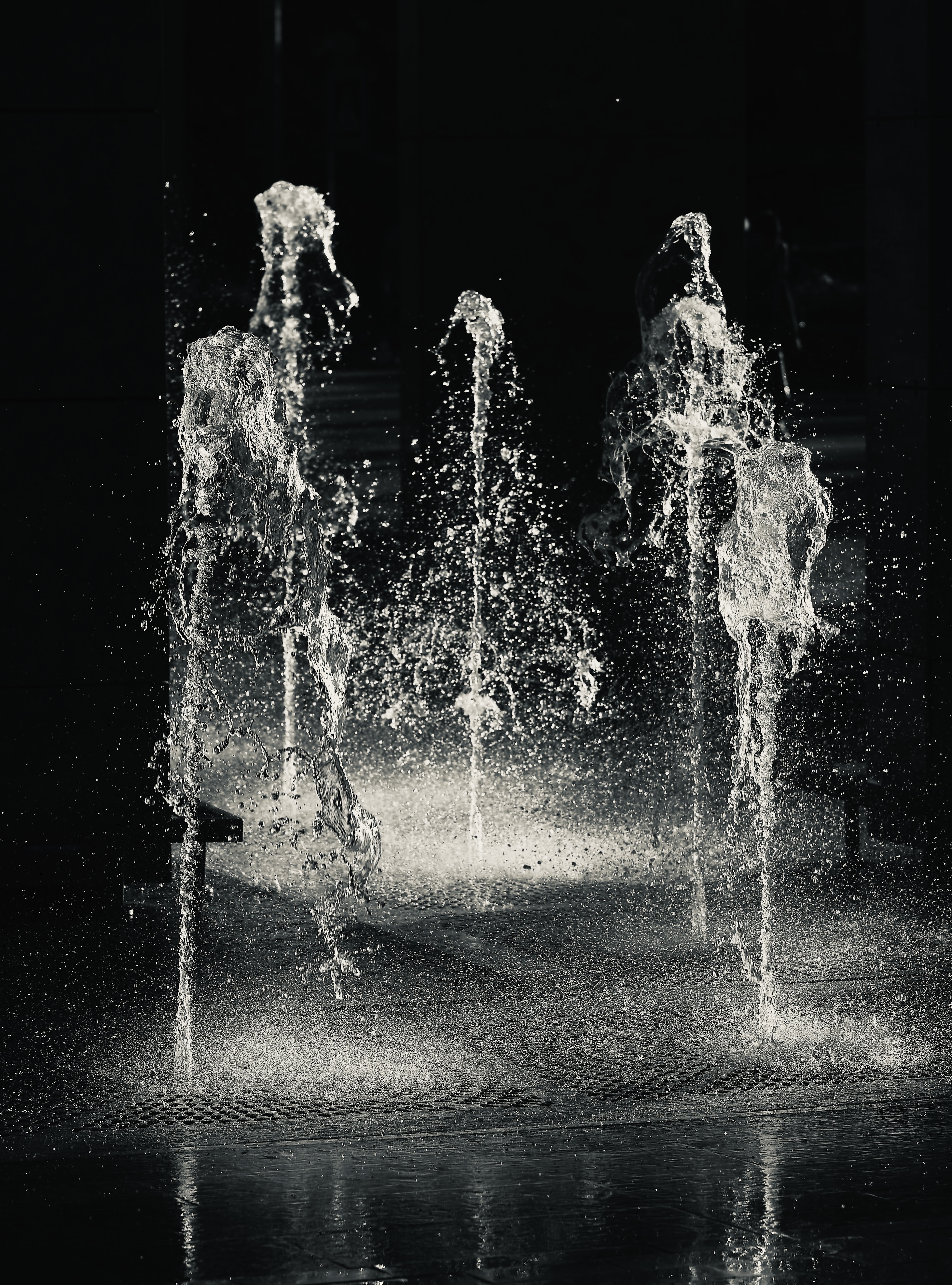
fountains spurting water upwards

when i got back into writing seventeen years ago i would sit at a desk in the attic room and open a large a4 book of paper and with a pencil begin to scribe. i would write continuously until i got to the end of the chapter. i would write a chapter a night of my book in 4h pencil and when done close the book to the next day. this technique worked well for the first two books.

the next two books my technique evolved. i was writing longer chapters so i would write until there was a natural break and my energy was spent. until words and ideas failed me and i knew i needed to think about where the characters and plot were going next.

the next book i planned. i mapped it out loosely across pages. i knew where each chapter was going and where the characters would end by the close of the story. if they survived. so i wrote complete chapters again. yet the writing got harder. less frequent. the pauses between when i would write grew. i found it difficult to get going. i knew i needed a different approach.

someone told me about the pomodoro technique. where you work for twenty-five minutes. take a five minute break. repeat this three more times but after the fourth work stint take a longer fifteen to thirty minute break. the idea was you would stay focused and work in intensive bursts. it didn’t work with me. i still had the problem of facing a new chapter or section and not knowing how to get started. what to write next. sometimes the not knowing would last months and i would instead turn to writing a short story or prose-poem.

later i heard about another approach. it may have been in a book about writing or about a particular writer’s life or even been a discussion point at the writing group i attend. whatever way i heard it i decided to give it a go and it worked for me. instead of writing chapters or stopping at natural breaks i sit down to write for a specific time. usually two hours. and i would take pen in hand and write in my notebook non-stop during that time. taking an odd pause to take a sip of drink or stretch my back. but primarily i would write for two hours and stop at the end of a sentence in the middle of a scene or a thought or an idea. the important bit: while the energy was still there. while i was still buzzing with ideas and enthusiasm for what i was writing and wanted to write the next sentence. i would write in an energetic frenzy two hour spurt then suddenly stop. stop with things yet to be said. why? so that next time i will have something to say. a point to continue on from and get back into the writing. so i’m not starting from a dead stop. i never end at a chapter end. if the two hour spurt is at the end of the chapter i will write five or six lines of the next chapter or section.

i have modified this approach slightly. i now reread the last section of the previous spurts writing before beginning the new writing session. just to familiarise myself with where i got to. this is necessary for me as it can sometimes be two weeks before i pick up my pen again. if a chapter or section gets completed across spurts i will type it up. i live in dread of losing my notebook and my work. of leaving it somewhere or it being consumed in fire. so i type up the latest section when complete so i have a back up.

i know this approach will not work for every writer. i am not saying that. it is the way that works for me. it has taken me seventeen years to find a way that works for me. it will take time for you to find your own approach. you can only find out by writing. sitting down and trying different approaches. even now i find this method only works for my novel writing. short stories i just have to sit down and write them to the end in one sitting. same with prose-poems. but for novels. the longer form. the two hour spurts from an energised start is where i go.

becoming stupid

Woman wearing virtual reality headset

there was a time when i would sit down and read reels of pages of books for hours. if i had a day free i would happily lounge on a sofa devouring the page, ignoring the need of refreshment and bodily function. just one more page. just one more page. just to the end of this chapter. and so on.

nowadays it is very much different. i find myself after a long paragraph of text becoming distracted. i will switch to a quick fix of insta or blusky. check the posts on facebook. watch a vid on tiktok. then back to the book. back to the beginning of the paragraph as i have forgotten what it is about. the concentration broken. memory porridge. when did i get so stupid and what caused it?

i guess the growth of social media did not help. clever apps whose algorithms are designed to keep you scrolling and flicking on to the next thing. how many of us have discovered a quick browse on an app has somehow turned into an hour or two? the time somehow swallowed by the inane chatter of nothing. there must be an impact on our concentration spans. school teachers know it. we are consuming text in bites. long form has gone.

and now we have ai. we no longer have to read the article or book or page. we can get ai to summarise it for us in a couple of sentences. what need us to actually read the thing? the days of the victorian novel with sprawling descriptive paragraphs of prose are gone. we are the sound bite nation.

but are we all to blame for this change? in a culture that is forever demanding information to be processed quicker to arrive at conclusions faster because time is poor and precious, is it really our fault we have altered to comply with this demand? particularly when the world of work demands more for the money and many are holding down more than one job. do we have the time to spend on reading great wads of text and do we feel so inclined, after a day of work fixated to a screen of words, to spend an evening doing a low tech version of the same?

personally i’m trying to buck the trend i have found myself in. it seems to me as a writer and bookseller. surely i should recognise the importance of the written page and should not be helping the reliance on short cuts that may lead to a devaluing of my own written work. so i am going to turn off the social media apps in the evenings. embrace the written page. small steps at first but i will do it. i have set myself the target of finishing a monster of a book. to make it even more challenging it doesn’t have chapter breaks. just page after page of text. im starting small. twenty minute reads then a brief break. but the break is not to be on the mobile phone.

i may take this deepening of concentration further. move to long form visual imagery. tv watching reduced. channel hopping stopped. instead embracing the world of the film. long form is now key. fast food a thing of the past. seven course banquets instead. a stop for afternoon tea. when my family tell me to hurry up when we’re out i will instead take my time and stroll. pigeon steps.

expect to see me soon on a corner frozen in step reading war and peace.


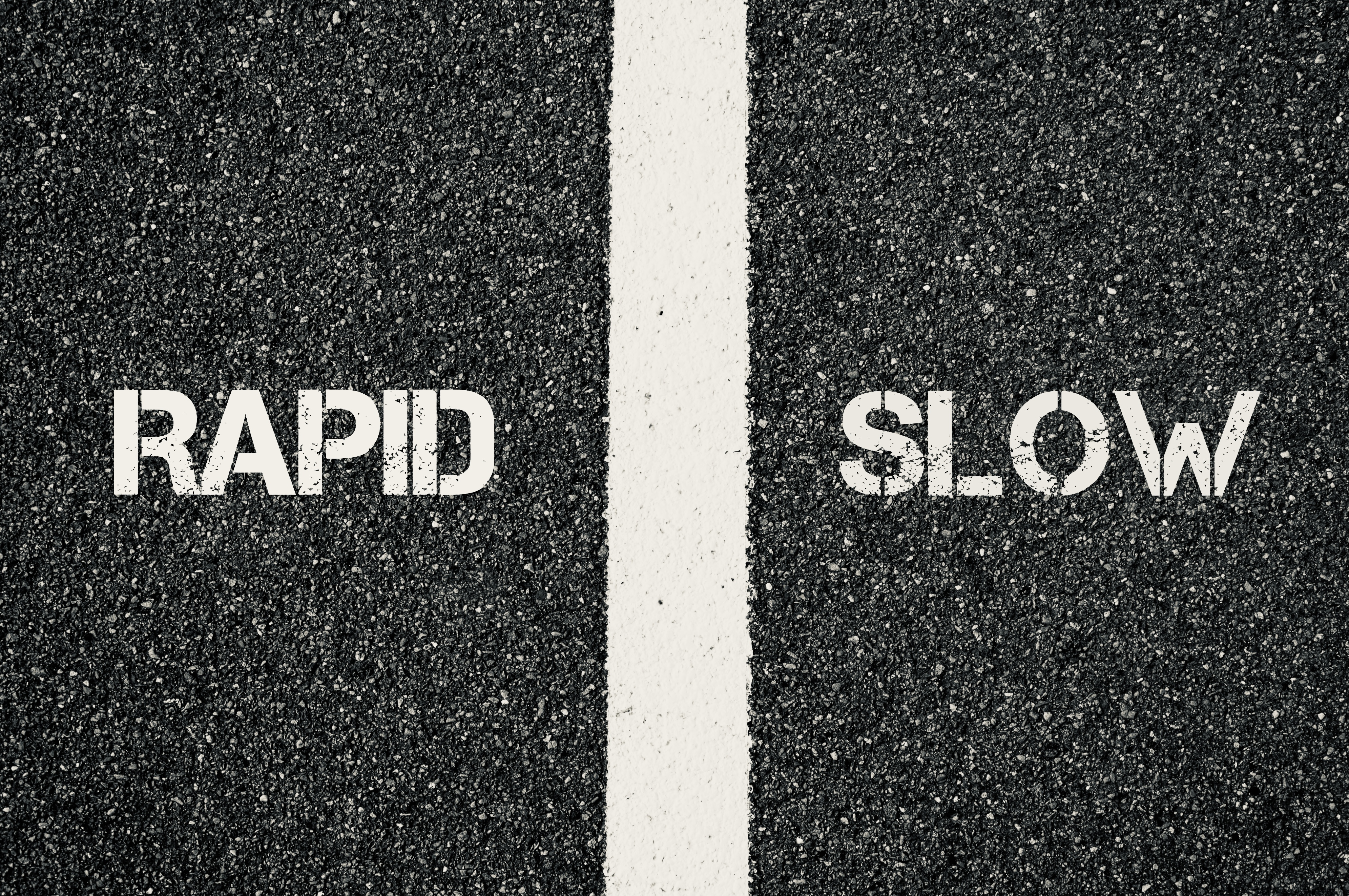
in praise of slow

Black and yellow line on black asphalt road with words "rapid " and "slow " written on it.

Image by Constantin Stanciu

in today’s world modern technology has added a lot to enhance everyday living. it enables us to communicate across vast distances, simplifies many daily tasks, and enables advances in many scientific areas. it helps us to perform tasks that were once long and laborious in minutes. it removes the time from a task.

we have engaged with tools when word processing to simplify and speed up the process of writing. the spell and grammar checker. the formatting tool. all of these has aided to quicken the time between the generation of the idea to it appearing on a page to publication. and now we have “AI” being pushed by large tech companies who promote the speed it can do everyday writing tasks. they say it is the dawning of a new age of writing. that it will enhance our work and make things easier. that the distance between idea to publication is almost nonexistent.

but is this rush to embrace speed such a good thing?

when i write or read i like to take my time. i like to chew the words over in my mouth. formulate and restructure the sentence in my mind. think ahead to where that sentence is going and contemplate what possible one could follow. for a while i dabbled with speeding up my work by writing my first draft directly onto a computer device. i reduced down the process between idea, composition, editing. speed was the king. but was my writing any better? was the process easier? no.

so i went back to basics. i put time back into the process. instead of the computer i switched to a notebook and pen. i allowed myself time to chew over thoughts and ideas. for the sentence to brew in my head. it may have only added a few extra seconds but they were valuable seconds. and i added further time. instead of being in a rush to get everything down i added deliberate pauses. stopping mid scene or paragraph and leaving it to pick up another day. the novel would get written but it needed the time to plant roots, develop its stem system, branch out and flourish.

the writing world has been guilty of this push for speed for a long time. writers publishing word counts. publishers demanding certain word numbers. a false dichotomy that demanded volume over quality. how often have we all read a book and thought ‘this section drags?’ what if there had been a bit less insistence on word count? what if the need for word numbers had been reduced? then we could have spent time on choosing our words more carefully and putting forward our best sentences.

so i demand of myself: be slow. take time in the writing process. don’t rush towards arbitrary targets. reduce the pace. grab a pen and note book. better still a slab of granite and carving tools. chip away at my sentences. letter by letter. word by word. until i have a great monument to my writing. something to stand tall and admire.

ai and writers

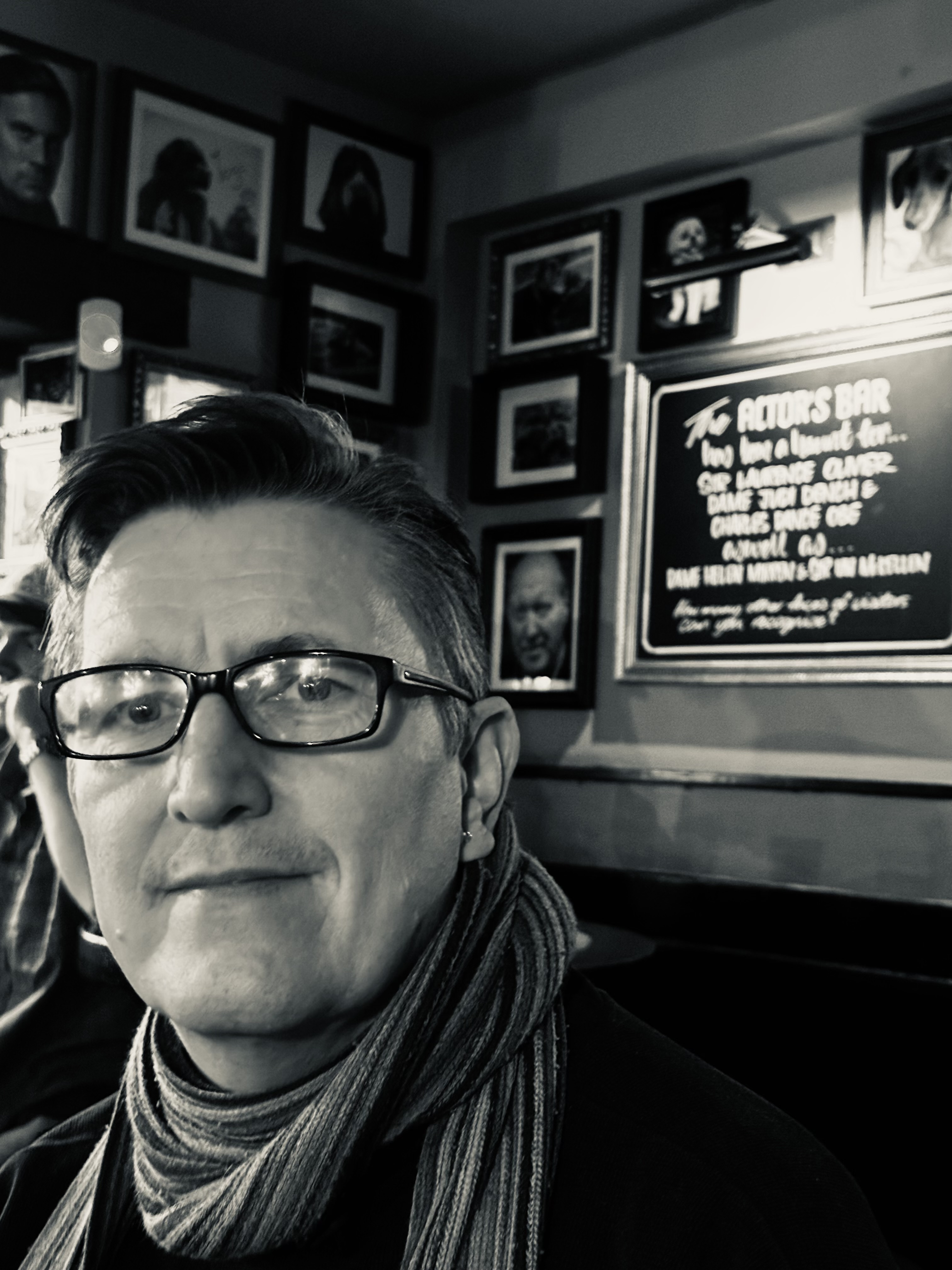
writer SLAM Fitzsimons in actor’s bar, Dirty Duck, Stratford-upon-Avon

there was the recent furore around the novel ‘Shy Girl’ by mia ballard whose book was dropped by hachette after accusations of using AI in the writing of the novel. this lead to outrage pieces on both sides of the AI argument. some were saying that it was a betrayal of the publisher and readership and she should have been upfront about it before submitting. others say it shouldn’t be an issue. the story was her idea and besides we won’t be able to escape ai written books soon. we might as well embrace the technology. it is here to stay.

i tend to be on the side of keeping ai out of the writing process. that just because you came up with an idea and fed it through an algorithm does not make you a writer. writing is a process you have to go through. it is not idea then product. however this position leads to a complexity. where do we draw the line.

do i have to announce if i use the review tool in word. if i get word to check my spelling and grammar am i no longer a writer for using such a technology. should i not instead invest in a copy of a dictionary and a roget’s thesaurus? should i not painstakingly turn the pages of those books to check each word in my novel? or is such use allowed?

i would tend to allow the review tool because the ultimate decision making still lies with the writer. they have to agree or disagree with the spelling suggestions or offers of alternate words. they are still involved in the process of the writing. each word previously was written by the writer prior to using the tool. but i would draw the line after that. no more ai or tech intervention allowed in the writing process. formatting is down to you. the decision to send to an agent or editor yours. ai should definitely not be rewriting paragraphs of your work. it is to be avoided. besides it will take the liveliness out of your writing and turn it beige. all will become standard generic phrasing. the idiosyncrasies of the writer’s voice and style will be lost. rounded. smoothed down. we need the jagged edges.

so let’s all promise to be imperfect. to continue to write in an imperfect way. to produce work that was the best we could make it at the time. lets leave the jagged edges in.

writers in hell

Shadow of person on red wall

writers have had a long association with hell. when in ancient times orpheus descended hell to reclaim his love with poetry he knew what it was to write. he was famed for it and won back the soul of his love. but like many writers wasnt careful of the small print.

writers even today embark on a journey to hell. we willingly undertake writing a novel despite the hardships it may involve. the hours of loneliness in a room as you scribe away at your art. the lack of attention for your work from friends and family. they just aren’t as committed to the project you have spent years on. they may buy a copy under duress and let you know they are being supportive but whether they actually read the book is open to question.

as well as the loneliness there is also the great possibility it will be rejected by the gate keepers and you come to realise that the thing you have spent minutes, hours, years on has been a total waste of time. that it is destined for a drawer somewhere to be forgotten about. rejected and somewhat less than it used to be when you finished the work.

and even if you are lucky enough to get your work published there are the critics. the reviewers. who will happily with little thought give it three stars.which is worse in many ways. at least with one star they really were engaged and thoroughly hated your work and five they loved it to the hilt. but three? its the star equivalent of beige.

and there is nothing we can do but continue with our art. we can but continue to peer like orpheus into hell and think about what we have lost. what we could have had. if only.

doppelganger

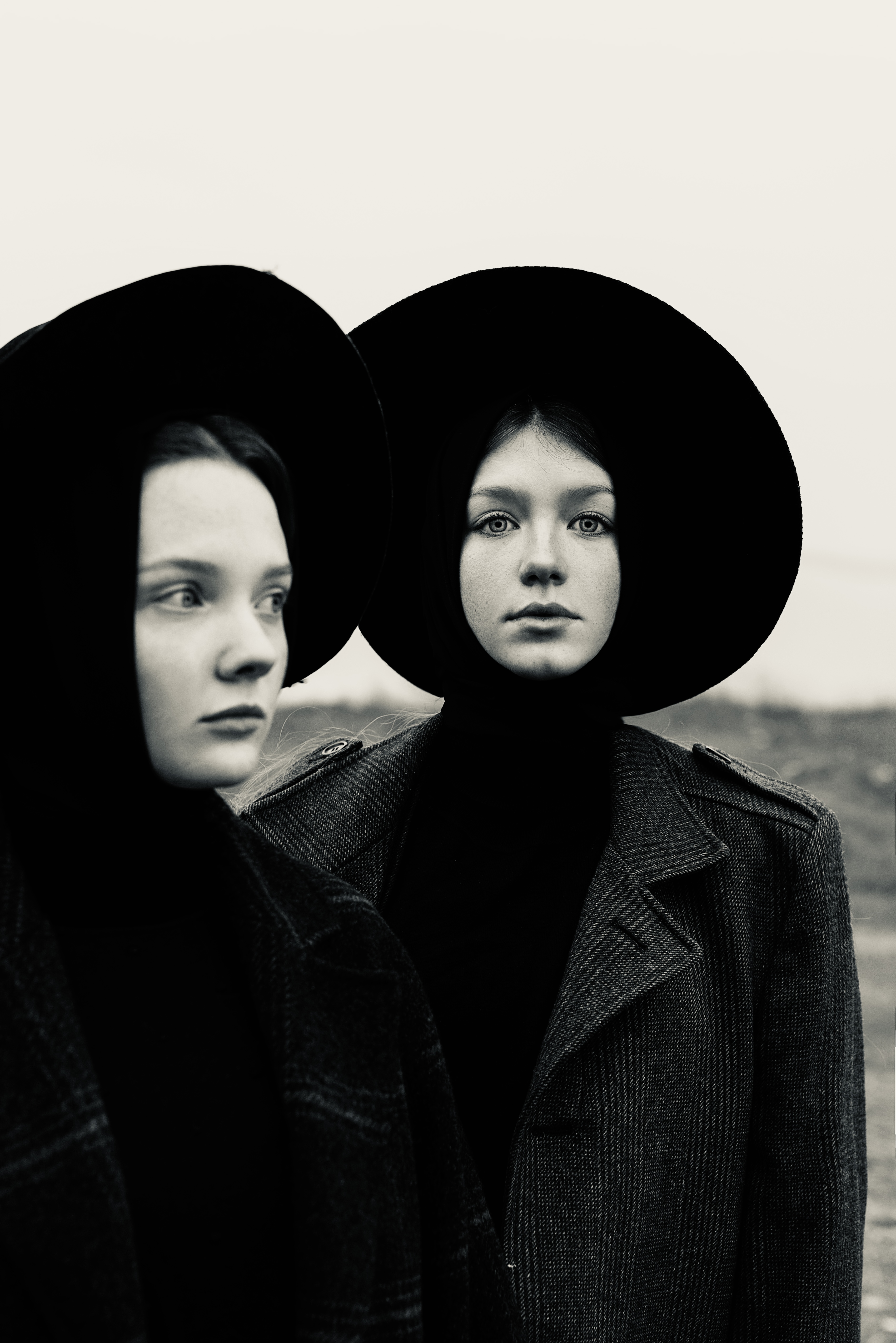
Minimalist portraiture women outdoors

Margaret Atwood in her book ‘On Writers and Writing’ talks of authors living in a life of split-personality. Like Dr Jekyll and Mr Hyde we exist with a darker self, our writer’s voice or being. Whilst we live good wholesome lives earning a crust to support our writing identity and enable us to do the thing we love, when faced with a blank page and a typewriter we turn dark. We will happily murder a character that our poor readers have grown to respect and love. We will with joy bestow upon a poor child a life of misery in the harshest of conditions with no seemingly way to exist the torment. We will bring death to the door of a beloved pet. All for the story. Always to the unseen god of story.

It is no wonder then that some readers when faced with the writer in front of them may confuse the voice of the book, the one they had previously trusted until the heroine died horribly in a fire, is the same as the voice of the writer. That both hold the same sentimentalities and beliefs. That both are not indistinguishable from the other. After all, are not writers told to ‘write what you know?’ What more evidence is needed then that the writer is capable of these hideous offensives?

Yet, when writing the writer often detaches themselves from their character and world. Yes, there may be elements of their psyche that influences the path of the story. But the story is a being onto itself. The characters make demands. Choose their own paths. You may hope a character will do certain actions but the god of story may demand otherwise. And who is brave enough to oppose the god of story? Those who do sacrifice their existence.

end of eras

air balloons in sky over Bristol, UK

it has been a time of end of eras. things coming to a close or a major change happening after many years of just coasting along. days unchanging. constant. sure.

the first of these changes has been no.1 child finishing their ‘a’ levels and launching themselves onto the world. they are full of ideas and enthusiasm for what lies ahead, edged with a hint of steely determination. i think they are better prepared than i was at the same stage in life. much more knowledgable and wise.

part of this launch was moving out of the house for 10 weeks to do a course in bristol. the last time i was there was probably for an evening when my friends and i dove up from taunton and went to a large warehouse where four punk bands were playing. the headliner was the henry rollins band. i think he was also trying to flog a poetry book as well.

i have mixed emotions about the departure of no.1. i’m losing a buddy who always had something interesting to talk about. a new discovery. there is a space in the house where they were. but i’m also excited to see what will happen on their journey. what new adventures they will report back on. what life holds for them.

the second end was finishing my WIP. my novella. i started it in october 2022 and it has been with me sporadically since then. it has been the hardest piece of writing to write. it was out of my comfort zone. it had a number of elements i had to juggle and they needed to all land successfully. it was also the most planned because of this. i had to make every step right.

i was sporadic in the writing because i made some major changes to my life. changed my working world. made it less certain. and i’m older than when i wrote ‘wishbone billy.’ i don’t have the energy to do the late nights writing. and i find i also lack the focus now since the covid pandemic and lockdown. my ability to concentrate for long periods has dropped. i’m sure there will be a study somewhere which will look at the impact of covid on the mind. on cognitive function. if not, there should be.

and there was the doubt.the great shadow of the imposter raven on my shoulder. waiting. pecking. freezing my mind. it took some battling some days to overcome it and put words to page. to have the confidence in the project. the belief i could do it. i had to keep telling myself i had done it before. i could do it again.

and so three years later the first draft is done. finished. it is out to beta readers who will come back with an honest verdict on the thing. i look forward to hearing. and am beginning to ponder part two of the series. at the moment it is just a vague thought. but it is forming. ticking over. i’m excited by what my mind will generate.

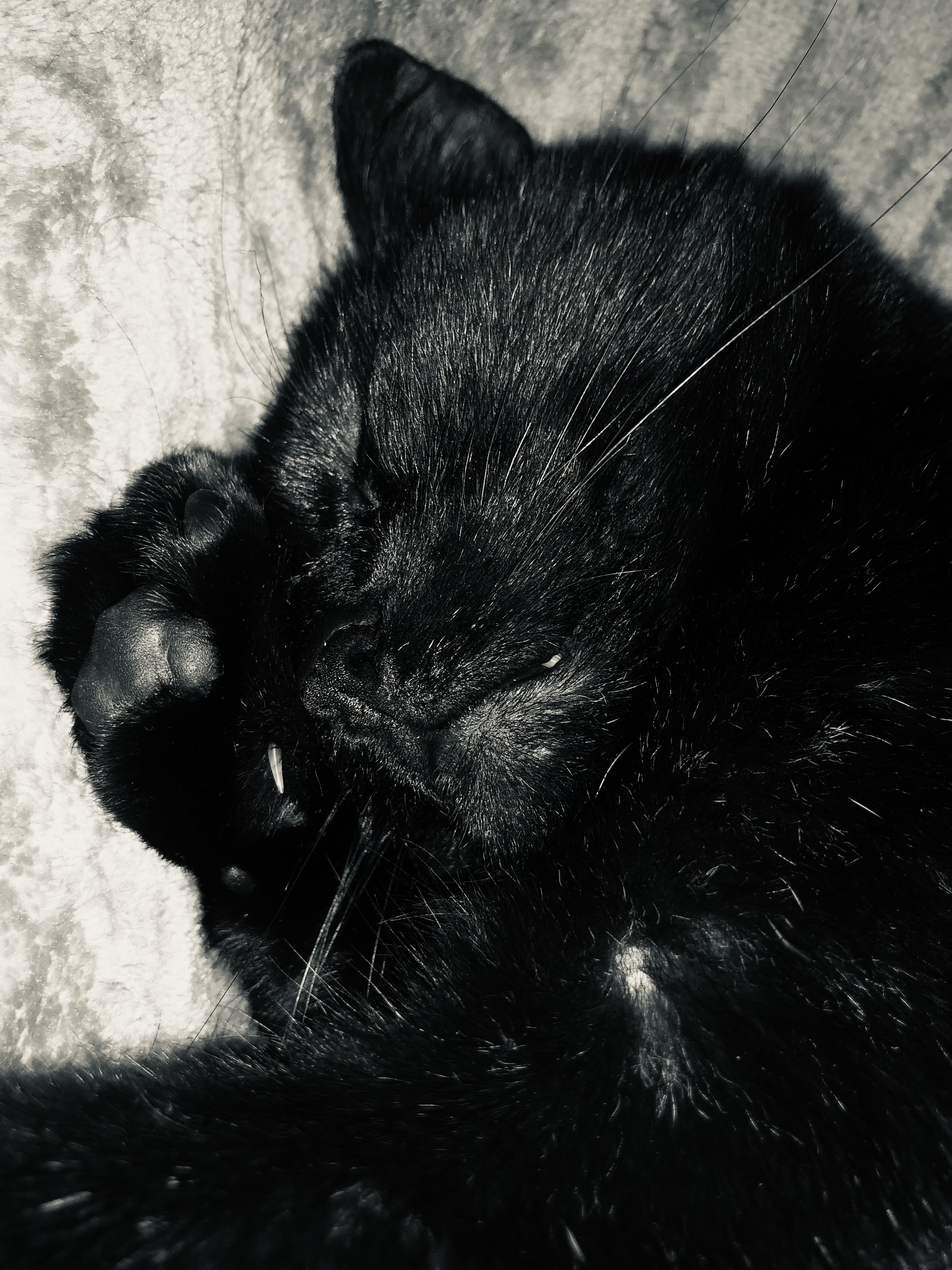
the last end. the last end of the era. was the death of kaos my cat. he has been at my side many a time as i sat writing. he had appeared in many a prosepoem. but his time had come to an end. it was quick. surprising. heart breaking. there is a small space in the house where he should be. but he is not there. and when i sit at night to read or write it is just that bit more lonely. i think there will be the patter of his feet and a jump as he lands on my lap. but there is nothing. just me. my book. my writing.

Kaos the cat. black cat.

the trouble with tinkering

maybe it started with the sink. we used to have plugs and chains. it was a simple and effective system. you would put the rubber plug in the sink hole. fill the sink with water job done. then a bright spark got to tinkering. what if instead of a plug you had something you could turn and the plug would go down and block the hole? no. not good enough. what about if the plug was just a push and pop up? you just push down on the plug then fill the basin. marvellous. life is simpler.
except…
you now have to replace the whole sink if the plug stops working. just replace the plug. don’t be daft. it’s a more complicated system. what? you used to just get a new plug and chain? oh. that was the old days. things are better now.

or there is the tap. the tap starts dripping. you need a new washer. except that isn’t the solution anymore. you can’t just buy a new washer and stop the dripping. not now. not now with these new taps. we’ve been tinkering. you now have to buy a whole new tap unit if it starts to drip. nothing for it. it’s all inbuilt you see.

that website you like. the one easy to use where you can find everything you like? well, we’ve made a few improvements. we’ve added a pop up help system so you don’t have to look for help. it will pop up every few minutes to remind you we’re there to help. and we’ve tinkered with the menu. we’ve made some features that used to be optional add ons. you now have to pay for them but they are new and improved. better.

that’s the problem with tinkering. it’s infectious.you’ve finished your first draft and edits. and you get to wondering. what if i just add a little bit to the scene here. that will improve. it. oh. now i have a plot hole. i’ll just fix that with adding a bit about the character here. oh. now that character’s actions don’t make sense. i’ll add a new piece about them here. oh. a new plot hole. i just…

don’t tinker. if it works leave it. don’t be tempted. not everything added is an improvement. sometimes things are best left as they are.

a psychogeography of turnpike lane

in the summer of 2023, during the haringey arts festival, i got involved with a writing project. the idea was to map the psychological reaction to local area in turnpike lane, london through pieces of poetry and prose. we spent an afternoon exploring and writing about the local area.

writers ventured out. made notes. then sat and scribbled a piece or pieces of writing. what resulted was a collection of work that spoke of different roads, shops, buildings, or journeys.

after some editing and compiling by clever people, a book was born. some abstract illustrations were added to accompany the work, and a year late the book was launched in london.

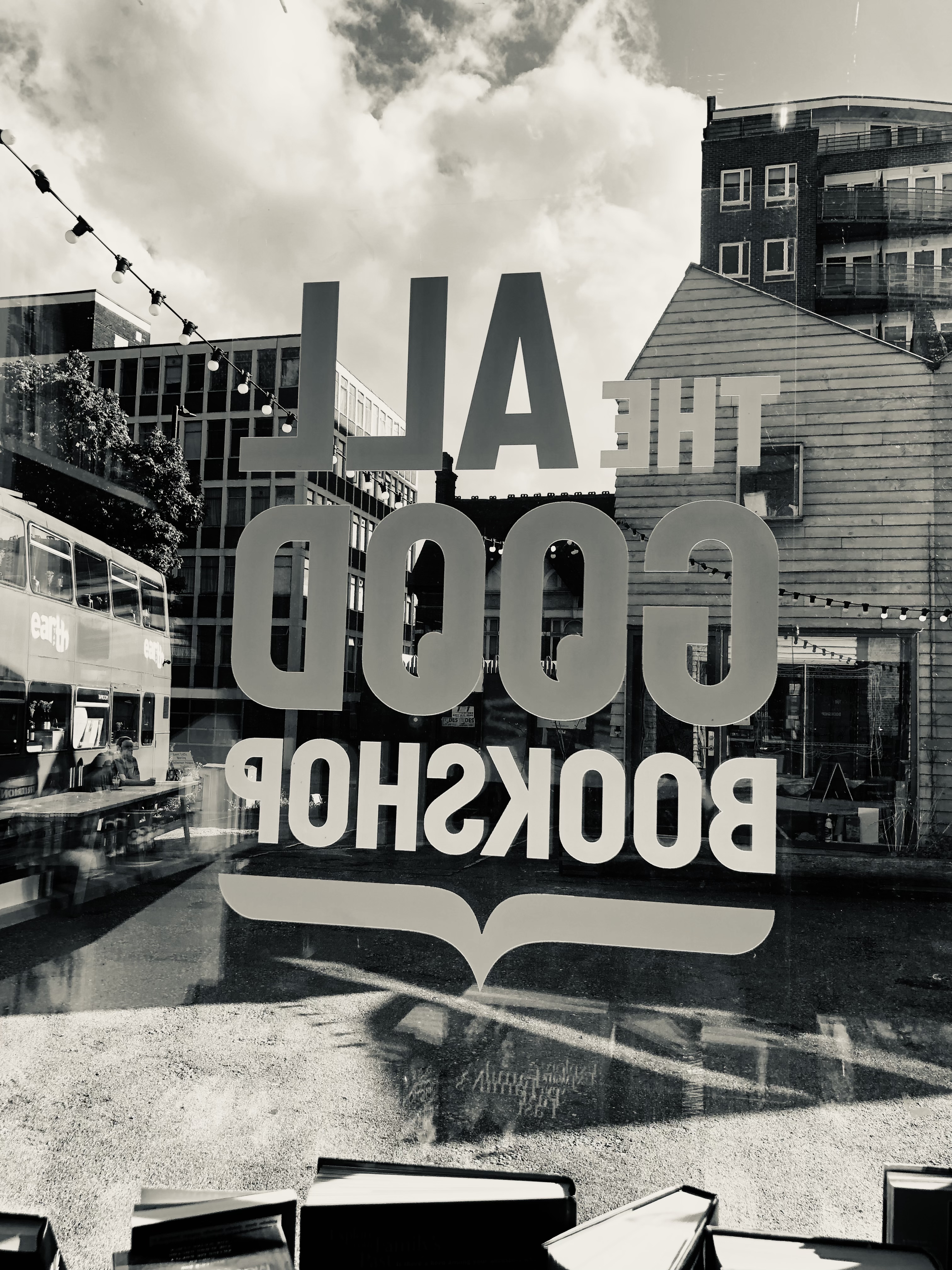
i attended a launch in the all good bookshop which is right in the heart of turnpike lane. extracts were read, discussion took place, plans were made, and whiskey dunk.

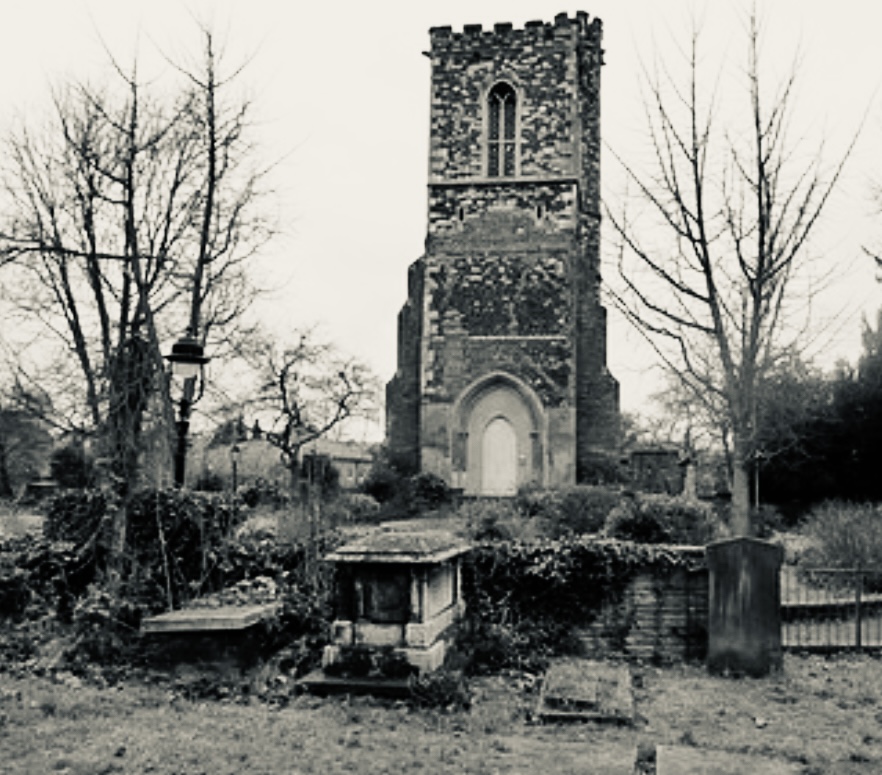
friday 20th september sees us at the magnificent st mary’s tower in hornsey to promote the book. it promises to an atmospheric evening of celebration, laughter, and possibly intrigue.

moment 11

so i am sat here in a courtyard surrounded by boutique shops and a bus that is a bar. i come here to escape the distractions of day time TV or the internet, the endless ramblings of social media. i sit sometimes in the yard on an unsteady bench or on other days in the 2nd hand bookshop, writing in my small black moleskine notebook with a drink to hand. usually, i am left alone to ponder, imagine and daydream before a customer comes into the bookshop to interrupt and peck at my quietness. but it is a bookshop. so we are often in our own worlds, them in an endless list of book titles seeking to hook, me in a sentence, a moment, searching for a word that stays just out of reach. the courtyard was not always such a pleasant place. once it was an unloved carpark full of lost promise and refuse. now, it is a place of creativity and creation. ideas blossom until the yard is full of flowers waiting to be picked.