divided worlds

there is separation that exists in all writing. the writer knows it is there. tries to ignore. pretend it doesn’t exist never existed shouldn’t exist must not exist does not deserve to exist but nevertheless persists in its existence. it hangs there. on the edge. like a small snag of fingernail that catches on a jumper as you pull it on and with a sudden sharp pain makes you aware.

a writer sets out when writing a piece in a belief a commitment a fallacy that what they imagine to be what they can imagine to be will come to be. will exist. once they have put pen to paper. drafted. edited. rewritten. checked. line-edited. drafted again. but it is not there. the thing they imagined does not exist. their writing cannot not create it. even if they were to train a million apes brought up on shakespeare how to type and gave them their work to work on for a million years the problem wouldn’t be solved. the final draft would exist but be lacking. would have a distance between the imagined and the reality of the word.

this distance is what writers have to live with. each time they put pen to page. make their plans. start to write. they know they will not achieve the story they set out to do. that there will be a piece lacking. a slither where their skill was just not enough. but they lie to themselves that this time it will be different this time they will be better and sometimes they are and this time they will put their all to it and pull each and every imaginative writing sinew to the creation of their work. but they know they tell themselves a lie. that it is a lie to get them started. else they would never begin or go mad during the writing process.

that is why all writers are great liars. they tell themselves most fundamental untruth to themselves and their reader. they see this is what i had planned this is what i intended now buy my perfect book. but we know this to be untrue. and the reader and writer join in with this lie. form a bond in untruth. until the next time.

doppelganger

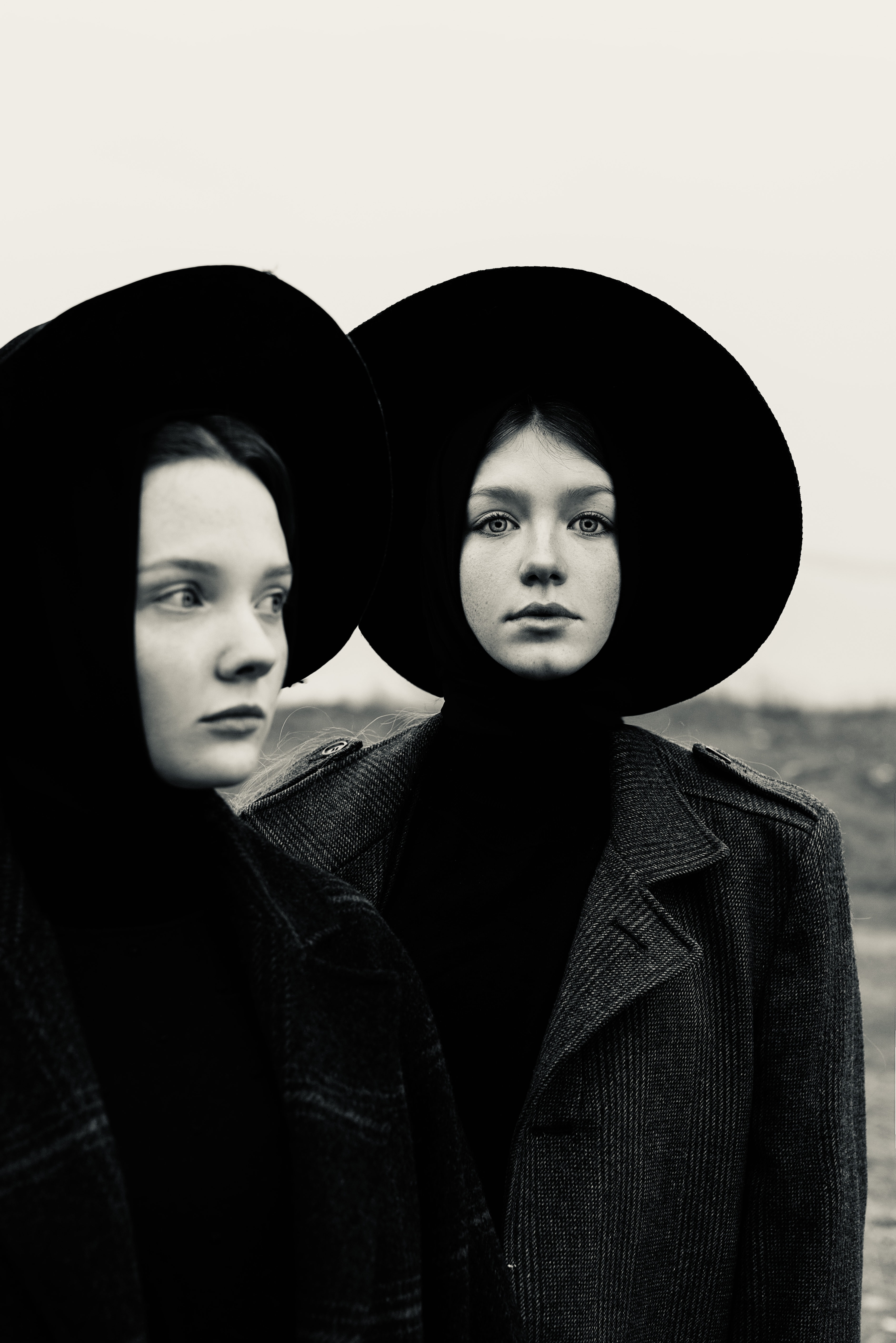
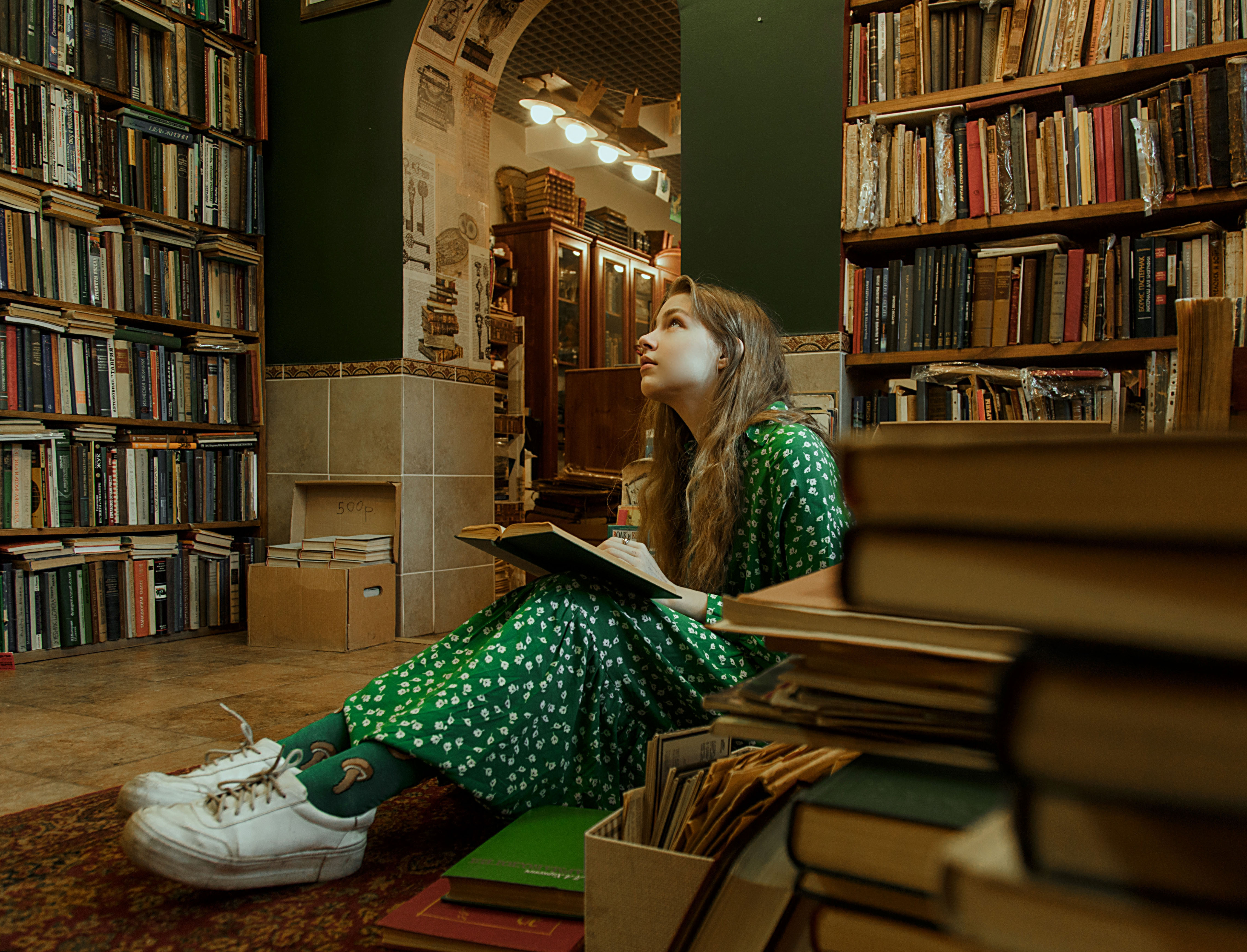
Minimalist portraiture women outdoors

Margaret Atwood in her book ‘On Writers and Writing’ talks of authors living in a life of split-personality. Like Dr Jekyll and Mr Hyde we exist with a darker self, our writer’s voice or being. Whilst we live good wholesome lives earning a crust to support our writing identity and enable us to do the thing we love, when faced with a blank page and a typewriter we turn dark. We will happily murder a character that our poor readers have grown to respect and love. We will with joy bestow upon a poor child a life of misery in the harshest of conditions with no seemingly way to exist the torment. We will bring death to the door of a beloved pet. All for the story. Always to the unseen god of story.

It is no wonder then that some readers when faced with the writer in front of them may confuse the voice of the book, the one they had previously trusted until the heroine died horribly in a fire, is the same as the voice of the writer. That both hold the same sentimentalities and beliefs. That both are not indistinguishable from the other. After all, are not writers told to ‘write what you know?’ What more evidence is needed then that the writer is capable of these hideous offensives?

Yet, when writing the writer often detaches themselves from their character and world. Yes, there may be elements of their psyche that influences the path of the story. But the story is a being onto itself. The characters make demands. Choose their own paths. You may hope a character will do certain actions but the god of story may demand otherwise. And who is brave enough to oppose the god of story? Those who do sacrifice their existence.

end of eras

air balloons in sky over Bristol, UK

it has been a time of end of eras. things coming to a close or a major change happening after many years of just coasting along. days unchanging. constant. sure.

the first of these changes has been no.1 child finishing their ‘a’ levels and launching themselves onto the world. they are full of ideas and enthusiasm for what lies ahead, edged with a hint of steely determination. i think they are better prepared than i was at the same stage in life. much more knowledgable and wise.

part of this launch was moving out of the house for 10 weeks to do a course in bristol. the last time i was there was probably for an evening when my friends and i dove up from taunton and went to a large warehouse where four punk bands were playing. the headliner was the henry rollins band. i think he was also trying to flog a poetry book as well.

i have mixed emotions about the departure of no.1. i’m losing a buddy who always had something interesting to talk about. a new discovery. there is a space in the house where they were. but i’m also excited to see what will happen on their journey. what new adventures they will report back on. what life holds for them.

the second end was finishing my WIP. my novella. i started it in october 2022 and it has been with me sporadically since then. it has been the hardest piece of writing to write. it was out of my comfort zone. it had a number of elements i had to juggle and they needed to all land successfully. it was also the most planned because of this. i had to make every step right.

i was sporadic in the writing because i made some major changes to my life. changed my working world. made it less certain. and i’m older than when i wrote ‘wishbone billy.’ i don’t have the energy to do the late nights writing. and i find i also lack the focus now since the covid pandemic and lockdown. my ability to concentrate for long periods has dropped. i’m sure there will be a study somewhere which will look at the impact of covid on the mind. on cognitive function. if not, there should be.

and there was the doubt.the great shadow of the imposter raven on my shoulder. waiting. pecking. freezing my mind. it took some battling some days to overcome it and put words to page. to have the confidence in the project. the belief i could do it. i had to keep telling myself i had done it before. i could do it again.

and so three years later the first draft is done. finished. it is out to beta readers who will come back with an honest verdict on the thing. i look forward to hearing. and am beginning to ponder part two of the series. at the moment it is just a vague thought. but it is forming. ticking over. i’m excited by what my mind will generate.

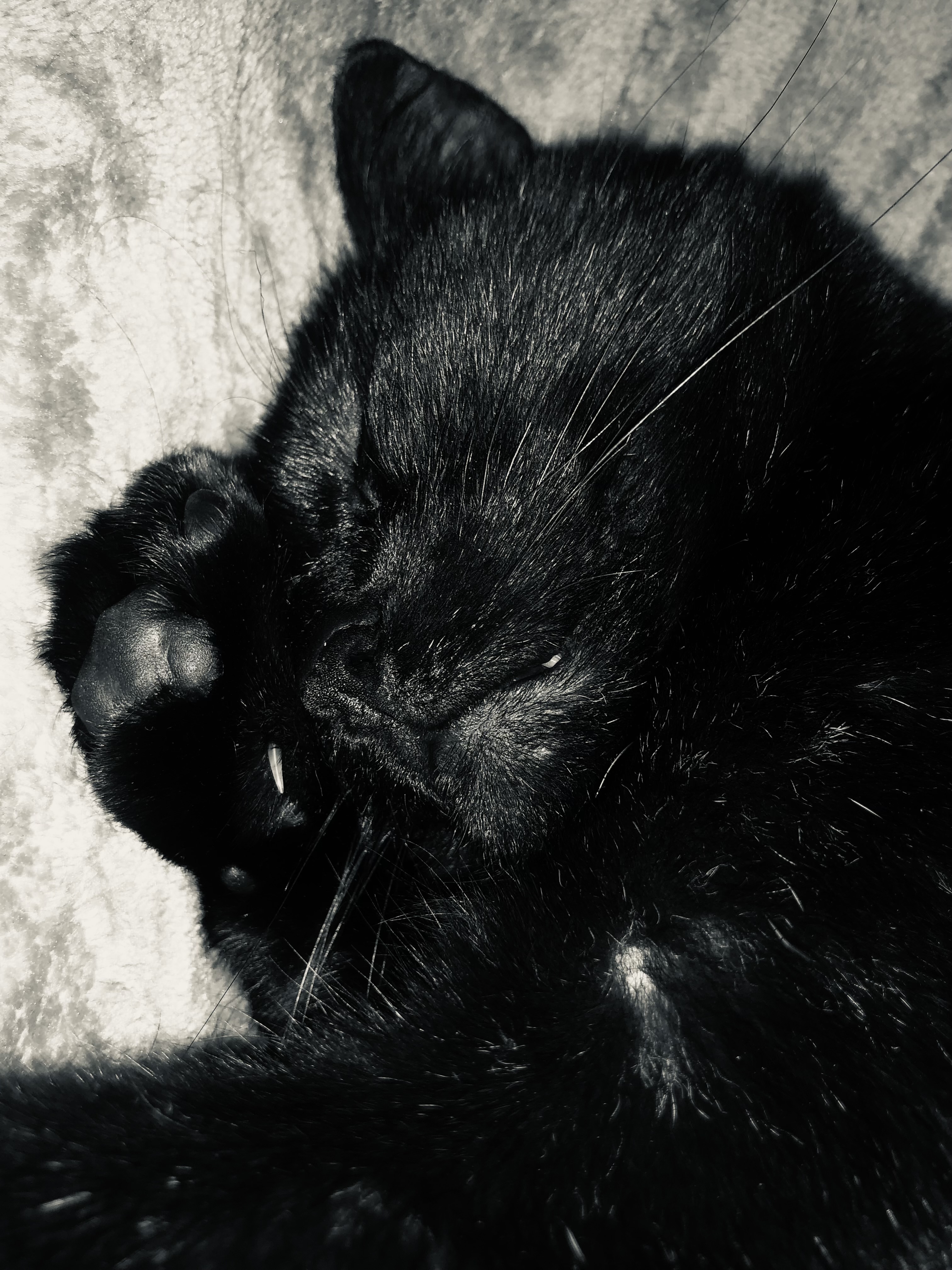
the last end. the last end of the era. was the death of kaos my cat. he has been at my side many a time as i sat writing. he had appeared in many a prosepoem. but his time had come to an end. it was quick. surprising. heart breaking. there is a small space in the house where he should be. but he is not there. and when i sit at night to read or write it is just that bit more lonely. i think there will be the patter of his feet and a jump as he lands on my lap. but there is nothing. just me. my book. my writing.

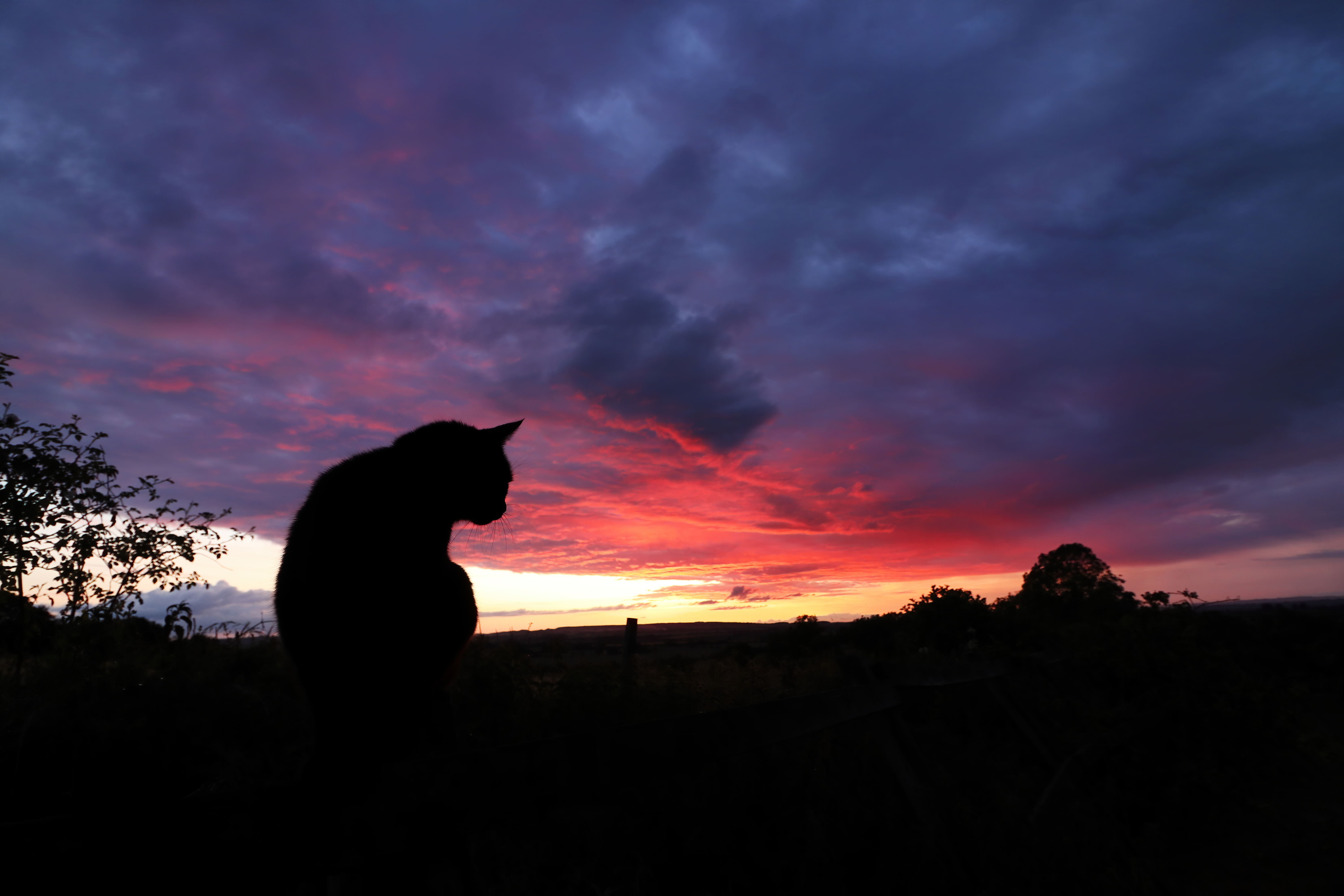
Kaos the cat. black cat.

31

sitting in the room. beer flowing freely. conversation turns from easy books to tv to wrestling. an unfamiliar subject. i fall silent. they talk of moments, characters and moves. past greats and legends. the intricacies of contracts and politics. president in passing. the make up is put on. the costume adorned. they enter the ring. loud music pumps their arrival. the crowd goes wild. enormous hands wave approval. the zebra signals the start. a bell rings. two forces clash and hurl. the cry of the crowd. a head encased in arm. a crash to the ground. groans and cheers. all is lost to me. i think of haystacks and big daddies. of women in curlers. chips to hand. small crowds and small venues for small rewards. a name on a sauce bottle. the conversation turns to comedy. i take a sip of beer.

30

Orange white and black cat

the cat sits on table and i in chair. the house is silent. not a sound. outside not a sound. not even a drunk on a phone swerving on route home. not a sound. silent. i sit in chair writing. gathering the thoughts of the day. now all is calm. a wine at hand. the voices have quietened. external.. internal.  now peace.. the room seems larger. bigger. full of. me. my thoughts. my moment. the quiet.  and me writing.  the light of the lamp casts shadows on the page. shadowing words. shadowing thoughts. moments. ideas. i pause to think.  to connect. recollect. and forget. a combination of desire, dream, and the movement of pen on paper. not sure where to go. being in shadow. once things were clear. clear as day. crisp in air. thought. but that moment has gone. so i sit in shadow. in the silence. with the lamp. cat on table. wine to hand.  the telly is on. but it does not speak. it too has succumbed to silence. the moment.  the hour. a flickering lamp. shadows dance.  then stop.  as my pen runs out of ink. and i am left in a moment in a silent room.

words

White paper on black background

i’ve always had a problem with words. not the deciding on them. not the thinking of them. the focusing on the words to use. the need to reach for a thesaurus because they just won’t come. not that problem. the word count. that’s the issue. no matter how big an idea or how many chapters i seem to always get a low word count.

i plan out my writing. brief lines with a few details what will happen in each chapter. then i begin and write. i sit down at my keyboard and tap away. the idea clear in my mind. full knowledge of the setting and what the character has to achieve in that chapter. i write the scene. describe the setting, add the action and dialogue. build it up as slow as i can. chapter finished. 1500-2000 words. where’s the rest of it? surely i can write longer?

being a two finger typist, i think: maybe its the typing. maybe i should revert back to the old pen and paper. ditch the modern technology. unhamper myself. free myself to write without the distractions a machine brings. but it’s no good. still the same length of chapter. 1500-2000 words. still the problem that the novel is just not long enough for publishers.

perhaps it goes back to me. i’ve never been one to talk lots. always one to listen. speak when i have something to say. something to share. my shaggy dog stories peter out. the dog dies before it gets to the end of the tale. conciseness is in my nature. why use 300 words when a sentence will do? there are some who can talk. really talk. add lots of detail and atmosphere. and write that way. but my thinking has always been why mention the table is red if the colour isn’t important? only mention the details that are important to the plot and events. cut back the chaff.

perhaps my whole approach is wrong. maybe i need to let forth with a wave of unnecessary words. use 100 when 10 would do. but it goes against my grain. perhaps, as i suspect, it is the demanded word counts are wrong that a novel should be the length it should be. should the ‘great gatsby’ be made longer because it doesn’t meet acceptable word counts? max porter’s work lengthened to an epic? or do the publishers need to be more flexible in their approach? is it time for change? perhaps selfish i know. me calling for a revolution just to suit how i write. but think of all the great writing lost because it didn’t meet a required format (i don’t include myself in this).

words. when are many too many? few too few?

29

Woman covering her head with blue plaid scarf

steps down. purple painted wall and dim lighting. couches in a lime with tables between. two guys bet cigarettes on pool. he goes to the bar. student prices for students. a pint of speckled hen. he nods to those he knows. goes to join then spots her. curling dark hair with a single hair brand. dressed in black and browns. alone. Sitting. he goes and says hello. she looks up. brown eyes consuming. a smile. they talk of the place, books and art. then photography. he admits his weakness. another drink and more talk. music. homes. laughter. the bar becomes small. a sofa, a table, and those two. the rest dwindles to nothing. the friends forgotten. there is only them now. and nothing. she combs back her hair and smiles. lifts her glass and sips. he watches it all. taking the whole of her in. the moment broken by a voice from the bar. time to go. no time now. she leads him to her room. a whisper of lips at the door. a promise to meet again.

sometimes

sometimes you are gripped with imposter syndrome and the feeling you are wasting your time in the futile gesture of putting words to a page in the hope that someday you will be happy with it that it was all worthwhile the evenings of doubt frustration regret hope the unending feeling that you are so close that it is just over there that knots your stomach at night as you try to sleep but your mind won’t rest as it is full of nagging questions about the viability of the project you are working on whether it was all just a foolhardy endeavour in the first place that you rushed in not heeding the warnings that you were overreaching you should try something simpler a haiku maybe no a single sentence start there but you foolish you decided to rush straight in and try and write a novel again with characters not fully formed just going through the paces in unformed scenes like shadows in an early 80’s video game with all line drawings and the only colour is green and you don’;t even like that so you are left with the realisation that your story is missing a big something a great big something and you are a failure you’ve let yourself down and the people you told you were writing a novel and ask how the progress is going but they have now learnt not to ask anymore as the answer is always the same it’s coming along slowly so you are lying there fretting about the blank page in your book that needs words and exhausted your eyes droop then close but just before they close the idea the solution pops in and you write it down on the page by your bed satisfied that the solution has been found you can rest easy now so you sleep happy only to wake the next day and look at that paper and wonder what the fuck that word means and you are right back where you were the day before with mr imposter syndrome.

anyway. it is sometimes good to remind ourselves why we got into this writing malarkey anyway. the best way i find for me is to pick up a book by a writer i like and read their words and be transported and enjoy the sensation of being carried somewhere and then i remember it is making others feel this way through my work is why i do it. the smiles on faces. the appreciative words. the collective joy. that’s why i do it.

in praise of the futile

a lot of my time recently has revolved around the issue of copyright and ai. if you’re wondering, i’m against allowing big tech to scrape the work of creatives to train ai without permission. it is theft plain and simple.

there are some who confuse having an idea with creativity. they mistakingly think it is the idea that trumps all. they disregard that creativity is a process. it is the process of flinging an idea into the open, developing it, refining it, abandoning parts, developing others. it is not the click of a button to generate a text or image or song. there is no human process there.

ai will never become creativity or be creative. ai solely seeks a quick fix profit. there will always be a profit margin for ai generated ideas. it will never explore the futile. the time spent on a creation that may not go anywhere. may not sell. is created just for the process and the act of creation. where there is no profit.

humans do not just create for profit. they create to experience a fuller understanding of their imaginative soul. to explore the connection between the sub-conscious and conscious. to play between the cracks. a flick of a button denies that. denies the fulfilment of the creative soul. the human needs to do the futile. to do something just because. it is what leads to advances and revelation. not the regurgitation of what has been.

embrace your futile self while you can. demand the right to be futile. to create without success or reward. to be human.

107

this is not about love. the way you walk into a room. filling it with light in a moment. words spoken to reassure. praise. warmth radiating from a word. a touch. no. this is not about love. the sweet moments together. exchanging glances across the room. laughing over a glass of wine. the touch of hands. the touch of lips. this is not about love. sweet caresses in the night. hot skin to touch. a warm embrace. silky. breath whispering. no. this is not about love. i’m not that sentimental.

paper vomit

i always struggle with writing. i battle to put words on the page. splatter them on the whiteness. i guess it’s the combination of anxiety and the need for perfection. i worry if the words are not perfect. i physically need them to be perfect. heart beating. mind racing. hands tense.

if they’re not perfect i can’t move on. i can’t write another word. all i can think about is the imperfection. there is something wrong and i need to fix it. even if i can’t identify the flaw there is something that knows it is there. that it requires refining. tearing up and doing again. a single thousand word chapter can take me anything from two weeks to three months. before exhausted by the battle i move on. slow. glancing back at the previous words. the ugly.

i know the first draft is meant to be vomit on the page. i have read it said by wiser and more successful writers than i. just get it down. the edit will fix it. it is what the edit is for. the redraft. the first draft is just for getting the story down. it is only when it is finished you know what your story is really about. where to go next.

i guess it stems from childhood this affliction. my schooling. being told to get my story done ready to present to the teacher and the red pen. it had be perfect first time. we only had one shot at it. later, the schools recognise some redrafting had to be done. so it became a pattern of first draft, edit, final draft. but still that wasn’t enough time. the teacher still had a red pen. and there still were flaws. cracks in the works. why didn’t they allow more time?

i think it was to be kind to us. not to delusion us. writing is bloody hard. it takes hours of toil in a room with a blank page. battling to choose the right words. craft the story. create realistic characters that really speak. not recite. hour upon hour spent on getting it right. only for it to be finally ignored. left unread by our intended audience. who would let children see that? experience that? better to leave them with the dream that putting words to a page was possible by all. without that lie where would our writers come from?

the trouble with tinkering

maybe it started with the sink. we used to have plugs and chains. it was a simple and effective system. you would put the rubber plug in the sink hole. fill the sink with water job done. then a bright spark got to tinkering. what if instead of a plug you had something you could turn and the plug would go down and block the hole? no. not good enough. what about if the plug was just a push and pop up? you just push down on the plug then fill the basin. marvellous. life is simpler.
except…
you now have to replace the whole sink if the plug stops working. just replace the plug. don’t be daft. it’s a more complicated system. what? you used to just get a new plug and chain? oh. that was the old days. things are better now.

or there is the tap. the tap starts dripping. you need a new washer. except that isn’t the solution anymore. you can’t just buy a new washer and stop the dripping. not now. not now with these new taps. we’ve been tinkering. you now have to buy a whole new tap unit if it starts to drip. nothing for it. it’s all inbuilt you see.

that website you like. the one easy to use where you can find everything you like? well, we’ve made a few improvements. we’ve added a pop up help system so you don’t have to look for help. it will pop up every few minutes to remind you we’re there to help. and we’ve tinkered with the menu. we’ve made some features that used to be optional add ons. you now have to pay for them but they are new and improved. better.

that’s the problem with tinkering. it’s infectious.you’ve finished your first draft and edits. and you get to wondering. what if i just add a little bit to the scene here. that will improve. it. oh. now i have a plot hole. i’ll just fix that with adding a bit about the character here. oh. now that character’s actions don’t make sense. i’ll add a new piece about them here. oh. a new plot hole. i just…

don’t tinker. if it works leave it. don’t be tempted. not everything added is an improvement. sometimes things are best left as they are.

moment 28

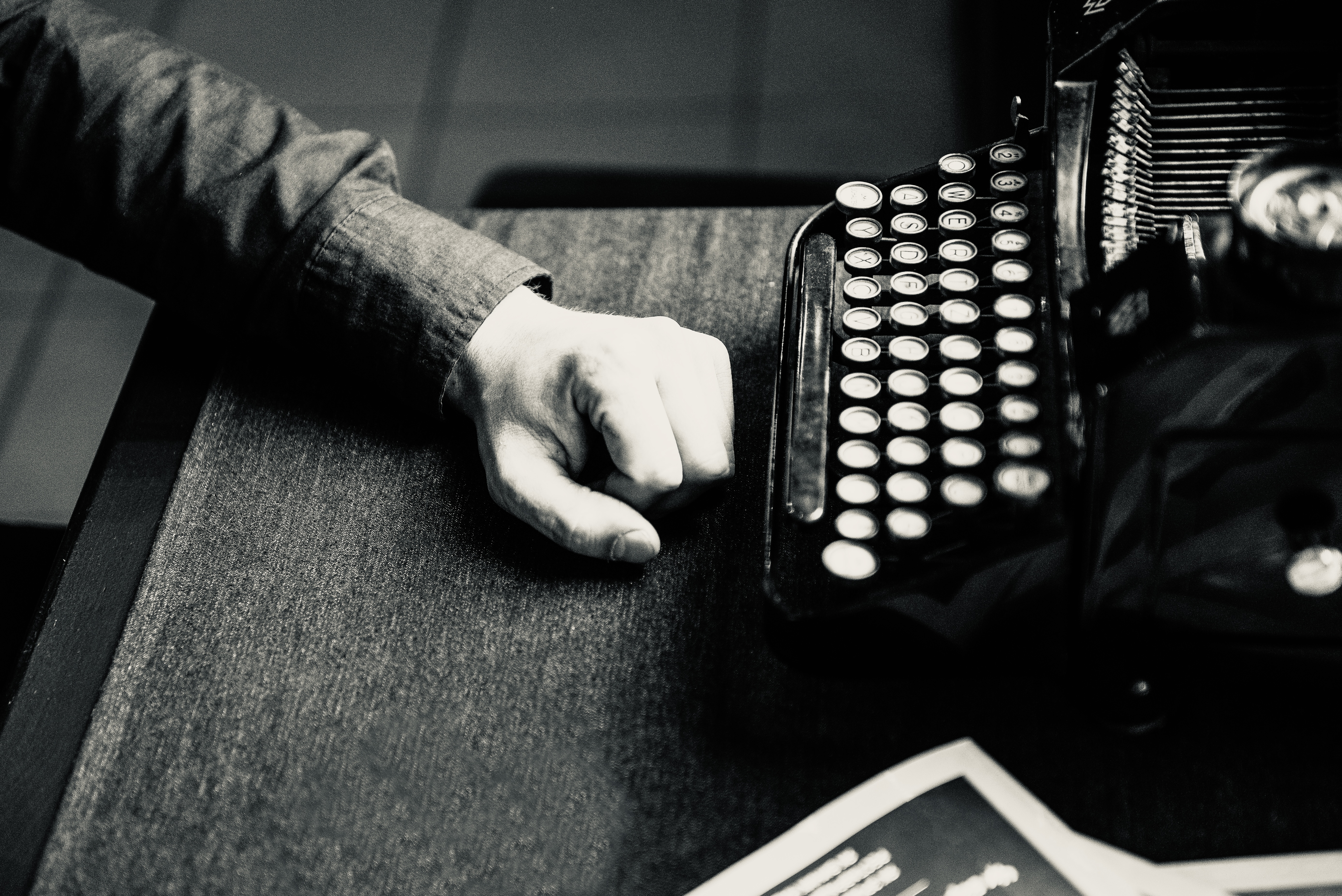
typewriter image. black and white.

he sat down typed a sentence then stopped. where another once followed there was nothing. just blank. not a thought. not a murmur. not a whisper. just nothing. he crossed the sentence out, moved the paper up. clean. blank. he typed a sentence, different this time. a start of a thought. but the thought remained hidden. elusive. he stopped. where another would follow there was nothing. he pulled the offending paper from the typewriter and tore it to pieces. he threw them about the room. they landed amongst others. he put a new sheet in the machine. stared at the page. once they had been friends. now they were enemies. an invisible barrier lay between them. a breath’s thickness but it was enough. perhaps today was the day. he stood up and made his way to the cellar. took a key off a nail and unlocked the gun cabinet. he took out the shotgun and two shells. he returned to the writing room. he lent the gun in the corner and placed the shells on the windowsill. upright. proud. he looked at them a moment and sat down. he rubbed the scar on his brow. perhaps today. he typed a sentence. a thought. a moment. and waited.

moment 27

big red stood in the yard. broad shouldered and tall. taller than most there. he could easily carry more than a hundred. once. now, not so sure. time had transformed him. no longer days wandering the streets of the city, saying hello to new folk. folk local to the place and visitors from far off lands he would never see. tales of gleaming buildings, monorails and cars that walked themselves. tales of streets filled with people, almost unable to move, fighting to get home. home to their small boxes with small rooms and small children. in his city not so busy. instead narrow roads, grime-covered bricks, litter dancing on pavements, and sleeping drunks at bus stops. most were nice to him, grateful of his help, happy he was there. others swore at him, hit him as he passed or scrawled obscenities on him as he slept. no, he was old and travelled the city streets no more. instead, he sat in the yard, changed. some days were good. people would come to him, get a drink at a table in sun, or study vibrant art. other times, laughter filled the air. they sat on him listening, waiting for the punchline to come. and the lonely times, he would just sit there, in the yard, in the dark, waiting for day to break. waiting for the company of people. he did not mind his end times. there was nothing he could do. but sit. wait. big red.

a psychogeography of turnpike lane

in the summer of 2023, during the haringey arts festival, i got involved with a writing project. the idea was to map the psychological reaction to local area in turnpike lane, london through pieces of poetry and prose. we spent an afternoon exploring and writing about the local area.

writers ventured out. made notes. then sat and scribbled a piece or pieces of writing. what resulted was a collection of work that spoke of different roads, shops, buildings, or journeys.

after some editing and compiling by clever people, a book was born. some abstract illustrations were added to accompany the work, and a year late the book was launched in london.

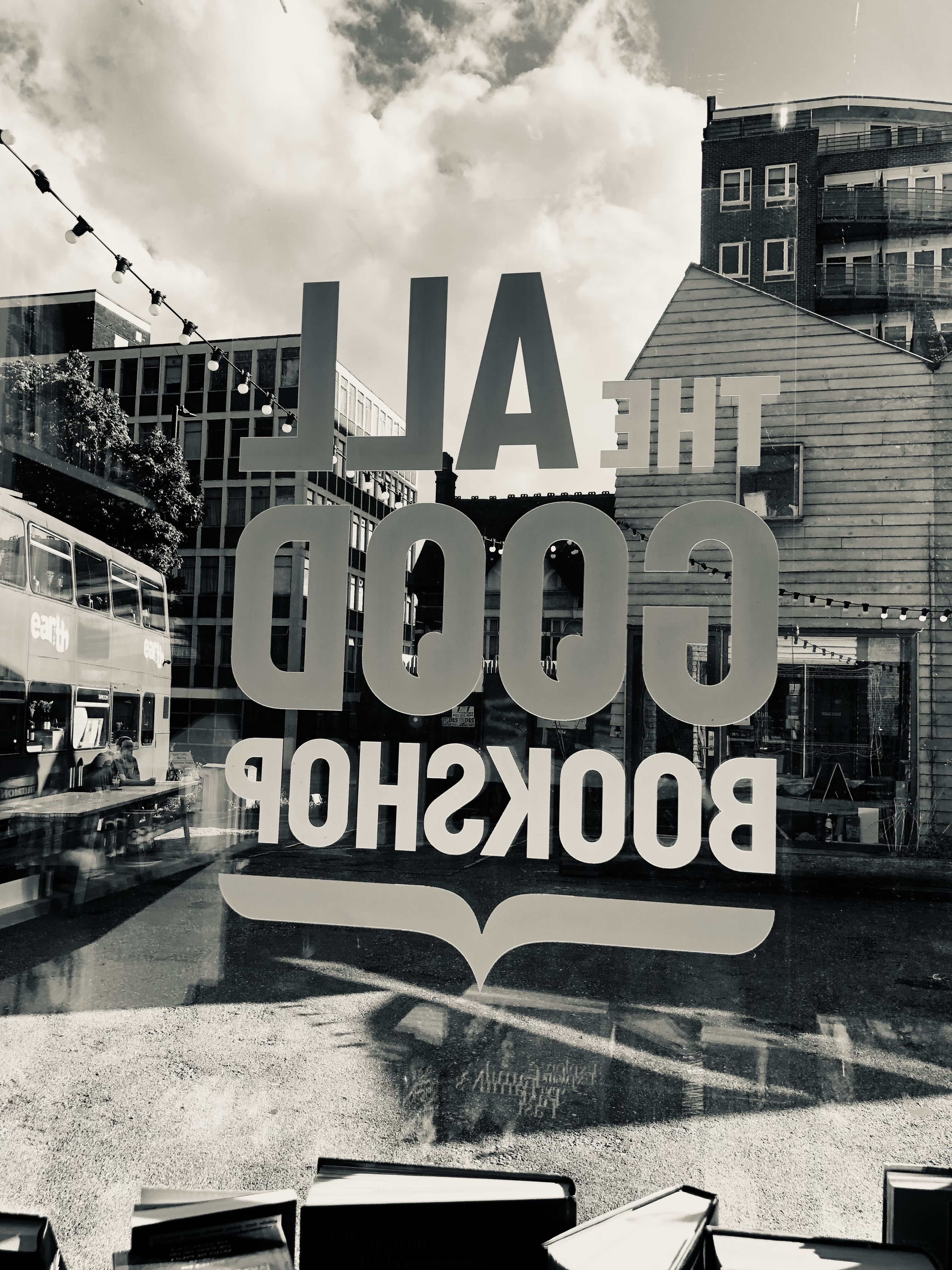
i attended a launch in the all good bookshop which is right in the heart of turnpike lane. extracts were read, discussion took place, plans were made, and whiskey dunk.

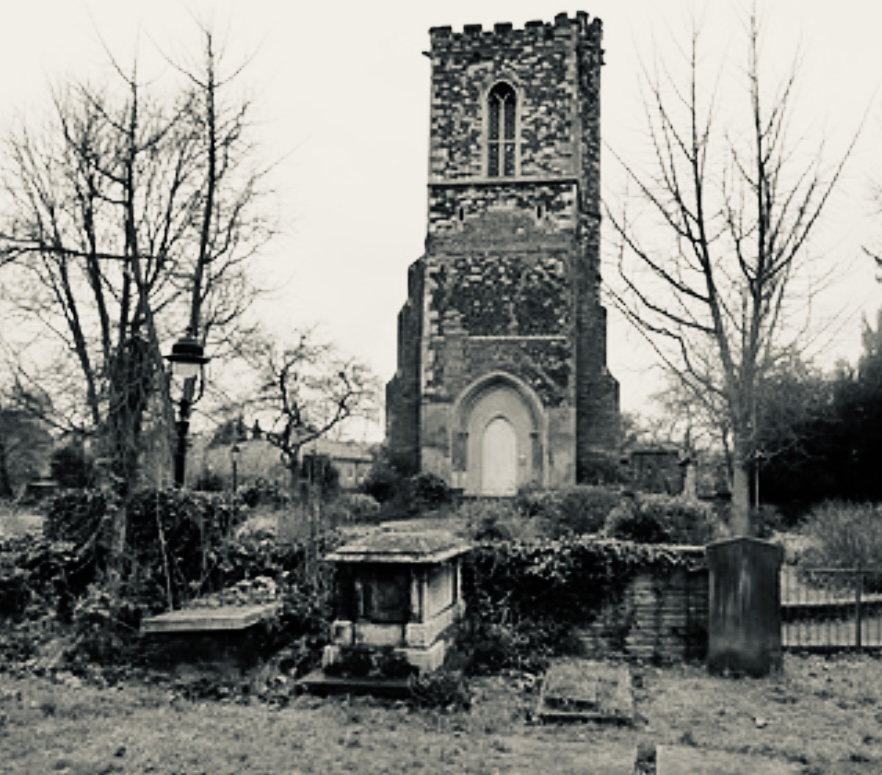
friday 20th september sees us at the magnificent st mary’s tower in hornsey to promote the book. it promises to an atmospheric evening of celebration, laughter, and possibly intrigue.

ants

according to Google: the common ant you find in british gardens weighs one milligram.

it is a warm summer’s day in june. about 23 degrees. and i lie on the grass in my garden. the sun beats down on my back and legs. i have a black t-shirt on and black jeans. not really summer wear but being a folk who has many a mole this is how i tackle summer and avoid skin cancer. it is hot. even the birds have given up.

i soak up the sun like a lizard. feeling it pour into me. warming every part. i am being slowly baked by heat. delicious heat. as i drift between consciousness and a semi-dream state.

i open my eyes and study the grass before me. it’s several shades of green. lime. jade. olive. pickle. brown in patches. recently cut. it sports a neat trim that is not quite maintained when it reaches the flower borders. there are a few tufts springing up there. the places i didn’t quite cut with the mower. it is not the neatest of jobs but i decide to not let it guilt me. better to be lying in the sun.

my eye is caught by a movement in the grass. it is small but i still catch it. the movement of a cut sliver of green. an ant crossing the jungle of the lawn. crawling between each blade as it makes its way somewhere. i wonder how many ants there are there at that precise moment crawling through the grass. all on an errand to somewhere. perhaps they carry an urgent message. the sighting of a delicious sugary treat in someone’s house. just waiting to be exploited by the right colony of ants. the thought of so many ants crawling around me gives me the creeps. i bring my thumb down and squash the ant in front of me.

i always hated ants. the days before i knew better. when i would unwisely sit near a nest playing. then i would find them crawling on me. tickling my skin. making their way over my legs. i would scream. jump up. frantically bat at my body. try to get them off me. i would run. into the house. screaming. throwing my clothes off. my parents would come running. wondering what the matter was. they would find me. in the shower. hot water flowing over me. cleansing me of my hidden enemy.

i would enact my revenge on the ants. not by pouring hot water over the nest. no. that was too quick. too kind. i would get my lego. build upon a green base piece. a maze of walls with chambers. an entrance in. an exit out. add obstacles to overcome. twigs. leaves. sand. lego dots. then i would catch an ant. place it in the centre of the maze. add one or two more.

i would watch fascinated as they tried to make their way round. over the twigs. through the sand. under the lego dots. one would try to climb the walls. i would knock it back down. it soon learnt that way was futile.

the unfortunate ones would enter the torture rooms. the chambers where a splash of water would fall down. or a cascade of dirt or stones. the really unfortunate would enter the chamber where the brick came. crushing. squashing them. complete.

those that made it out of the maze got special treatment. they would be lifted high between my fingers. and placed upon alone lego brick. hot sun burning down through a magnifying glass. cooking and curling their form. a worthy sacrifice to an unseen god on a plastic alter.

the sun beats down. i lie watching the grass before me. there is another movement. two movements. near each other. two ants this time. making their way across the jungle lawn. are they friends? buddies on a little adventure. did they spend time in their colony of an evening discussing how their day had been? stories of the number of sweet foods found? i bring my thumb down. squash them. fucking ants.

the sun beats down. my lips are parched. but i’m too drowsy to move. i’m enjoying my spot on the grass too much. better to lie here. laying in the heat. i don’t want to move. just to enjoy the warmth on my back. the moment. more movement in the grass. four ants this time.

there was a time when i visited a forest with my parents. a sunday country walk. meant to get us kids away from the tv and invigorate the soul. or some shit like that. ahead of the others. i was clambering down a mud bank. dried earth baked in the sun. brown pine needles littering the earth. down on my back i went. slipping and sliding to the bottom. falling on my arse. i sat there a moment. not realising. not realising i was sat on a group of ants. big fuckers. bigger than the ones we got in our back garden. red and black bodies. shiny like berries. and they bit. oh, how they bit. i screamed and panicked. leapt up away from the ground. brushing frantically at my legs. my feet, they bit more. i don’t know how long i was there screaming and scraping away at my legs with my nails. red raw skin. before my parents came running. consoling. they brushed away the pain. i hated forests after that.

the four ants move across the grass. they are heading my way. i bring my thumb down. the executioner. squashing each one by one.

‘fuck you ants!’ i yell as i kill the last of them. ‘fuck you and all the ants!’

the grass turns to stillness. quiet. tired by the exertion in the sun my eyes droop. close. darkness.

it was the moving sensation that woke me. the sense of bobbing along. like moving on a gentle wave. floating.

i try to open my eyes. but i can’t.

i try to move my hands. but i can’t.

my legs. can’t.

i am bobbing somewhere. moving. being carried by something. i try not to panic. in the blackness. i can feel movement over me. small. tickling. out of reach. it makes me want to scream. but i can’t. my lips are held tight shut.

i try to focus my strength. focus my strength all into my right arm. centre it there. then a sudden movement. a pull. i pull my arm free. claw at my eyes. i can see. i wish i couldn’t.

they don’t fight back. they don’t cover my eyes again. maybe it was a sort of punishment. a way of letting me see the full horror of my situation. my arm is pulled back firmly. i can’t resist.

there are hundreds of them. thousands. thousand upon thousand of small black ants. small black bodies. crawling. moving. on top of me. under me. a thick living blanket of black bodies. constantly on the move. they are all over my mouth. in my ears. around my eyes. i piss myself.

we are in the sun. but are heading somewhere. purposeful. determined. i can’t turn my head to see. all i can see is the sky. crisp white clouds. ocean blue sky of a summer’s day. the ants. then darkness. we have entered somewhere. a tunnel of sorts. it feels as if i’m heading downwards. there is the feint smell of vinegar. we are dipping. along the tunnel. deep. deeper. it seems to be getting warmer the further we go.

i sense movement around me. in the heat. the darkness. and a feint hum. low. on the edges of sound. all around. it is increasing. as we go deeper. like the hum of an old television set when you turn it on. warm. hum. darkness.

then we stop moving. bobbing. downwards. and i feel them turning me. there is light here. i sense a presence. something powerful. i don’t want them to turn me. to see. the hum fills my head. my skull. pressing. my black captors release me. disappear in the dim light. my eyes get accustomed. then i see. and i scream.

the chamber is hot. stuffy. stifling. it stinks of vinegar. strong. overpowering. it stings my eyes. i blink to see. above me. towering over me. in this large chamber. is a huge figure. six limbed. thick as trunks. hairs like thorns. head the size of a small black car. mandibles opening and closing. giant shears that could snap an arm in two. a beast as tall as a house. a giant ant. the god ant. the humming intensifies. painful. and i know it comes from the god ant. it fills my head. i understand it. what it is saying. and it terrifies me.

the common ant you find in british gardens weighs one milligram.

london

london has been the inspiration for my writing since i moved here over 25 years ago. from the outside you might think is a humongous whole on crossing the river thames like some great up turned turtle flailing it’s legs. or you might think it is just a large discarded black bin bag discarded carelessly across a stream. both would be somewhat true but inaccurate. fairer to say that london is a collection of towns, neighbourhoods, connected by the web that is the london underground system.

it is known for certain people to rarely leave their particular neighbourhood. to never venture much further than their local high street and corner shops. after all, what need for the centre of the city when you can find what you need on your doorstep? i have known children to have only for the first time to have experienced other polaris of the city, the tube, when taken on school trips with their schools. otherwise their familys stay put.
and who can blame them when you consider the city of london itself, the centre core, is made up of towering office buildings and bars and stores that close over the weekend. what to entice the venturous then? particularly when you factor in the increase in prices should you enter there.`
yet central has much to offer. numerous museums and galleries where you can seek inspiration for a tale. cafes where you can watch the world go by whilst surrounded by works from the past. hidden lanes that lead you to a bygone age of mystery with a pint in a boozer at the end where the decor and clients haven’t changed in years.
then outside of central you have the neighbourhoods. often referred to by their stop on the tube line. in the south: brixton and its caribbean roots gradually gentrifying with the influx of the thirty-somethings in search of their first homes. in the west: richmond where the money lives with leafy parks and pubs upon the thames. in the east: barking with sprawling council estates and descendants of the working class made good. in the north: haringey, the home of protest, upheaval. these are just some places but there are many more and everywhere, the wealthy rub shoulders with the poor divided by the post code they choose to live in.
with such variety and diversity in a living museum of culture, who could not get inspired to write? how could it not play a key role in the work im producing?

moment 26

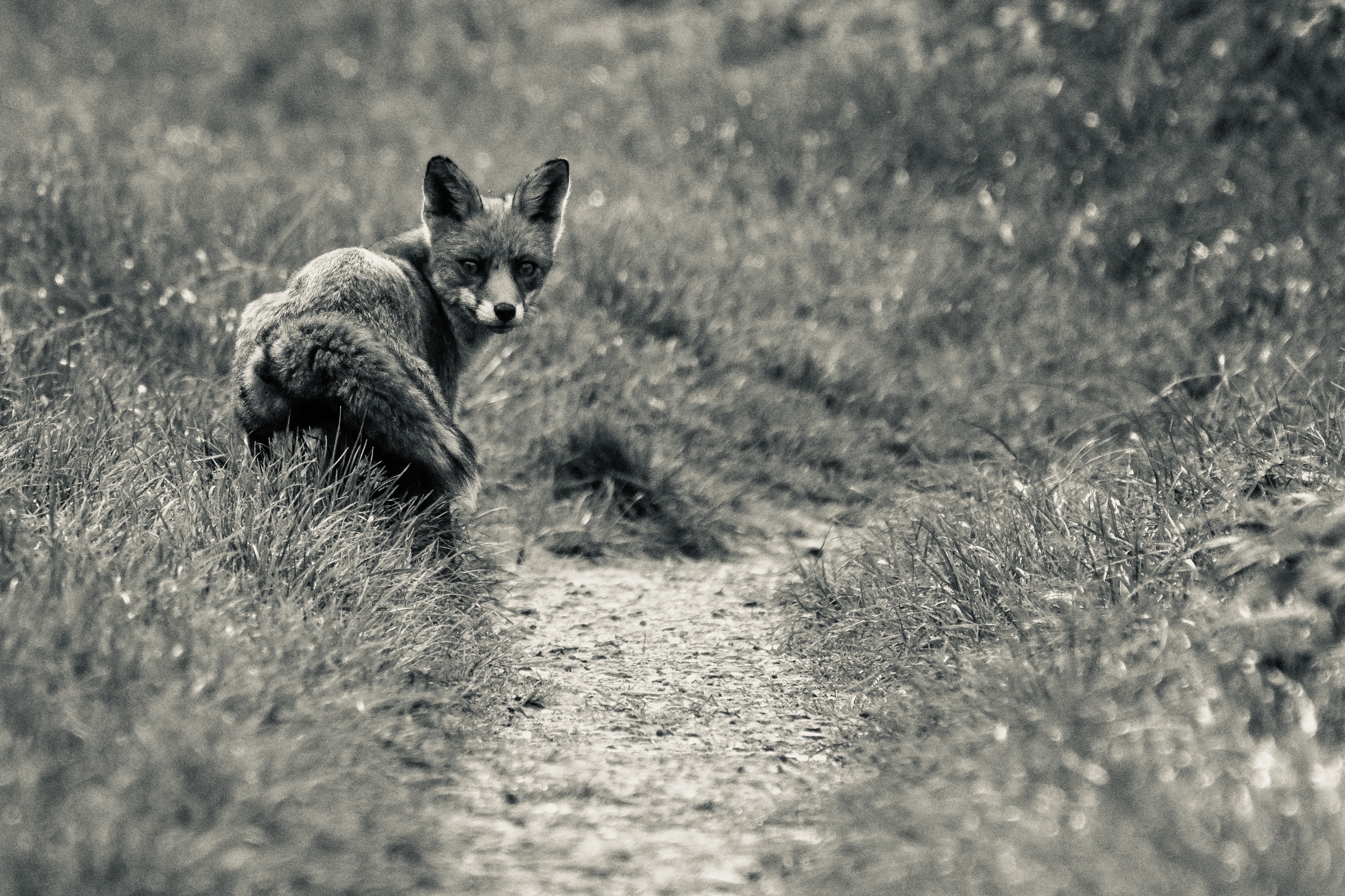
a trail followed. sooty prints from fireplace to rug to telly. a story to be discovered. a wire severed. the cry of a child. teddy with arm detached. violently. trainers chewed. unblemished white blemished. a dirt trail on a duvet. a monkey ripped asunder. the karate dog safely hidden. relief as other teddy remains safe in upper room. a disaster adverted. in the shower, a single clue to visitors. an unpleasant sight. dark and wet. the foxy culprit long since gone.

hemingway

i first came across hemingway when doing a course on writing at citylit, london. if you don’t know citylit, it’s an adult learning college locate near holborn tube. that big long road that winds it way down pass theatres and hotels to waterloo bridge and the south bank. citylit runs many creative courses and i heard good things about its writing courses and heard they were doable if on a budget. i’m always on a budget.

the courses are often taught by stabilised writers. this one was taught by scott bradfield. we were often set things to read. and he set us the short story ‘hills like white elephants’ to read. i read it. read it again. it was like a revelation to me. here was a writer cutting out loads of description, reams of adjectives and adverbs, to pare back the story to its essence. the writing was like a fresh of air. a chill winter wind that wakes you from a night of over indulgence. it was like hemingway was giving me permission to do something. something i had long thought.

i had studied literature as part of my ba. a diet of hardy, dh lawrence, and george eliot (oh god, george eliot). they loved their long winding descriptions where a hundred words were better than five. long rolling descriptions of the scenery. adjective upon adjective that wound their way across the pages before a character did something. followed by exposition. how they loved exposition.

i followed this by teaching primary and mainly reading children’s literature. children’s literature loved an adverb and adjective. not forgetting a liberal use of simile and as many words for ‘said’ you could think of. so did the national curriculum. this is what they decided good writing consisted of. no hemingway style for them. you had to use lots of adverbs and adjectives to tick the boxes. not forgetting the whole range of punctuation.

it is not surprising then that this is what i thought writing was. had to be. i had been fed a diet of word types. all the word types. used liberally and often. yet i was not satisfied. why did we have to mention all the senses? in every description? surely, you should focus on the important ones for that scene? and did we really need long passages of description to describe a setting whilst the character was left in limbo? doing nothing. waiting for us to finish. my thinking was we should treat the setting as a character. and f important to the plot. then we spent time on it. but if passing through. was there a need? i began to have doubts over the way writing was taught and the way i wrote.

so reading hemingway gave me approval of my ideas. to leave the adverbs behind. use adjectives sparingly. use five words instead of a hundred. cut writing to the bone. to the essential. to what i considered important. gone were adverbs. i went further. reducing articles. conjunctives. pairing back the range of punctuation. the length of a sentence. reducing the sentence to its minimum. to the minimal point at which it could still be understood.

my prose-poetry is a concentrated version of that. my short stories and the novel i’m working on. less so. grammarly would have a system failure reading those. and i continue to experiment. wonder how further i should push it. the results are here on this website. see what you think.

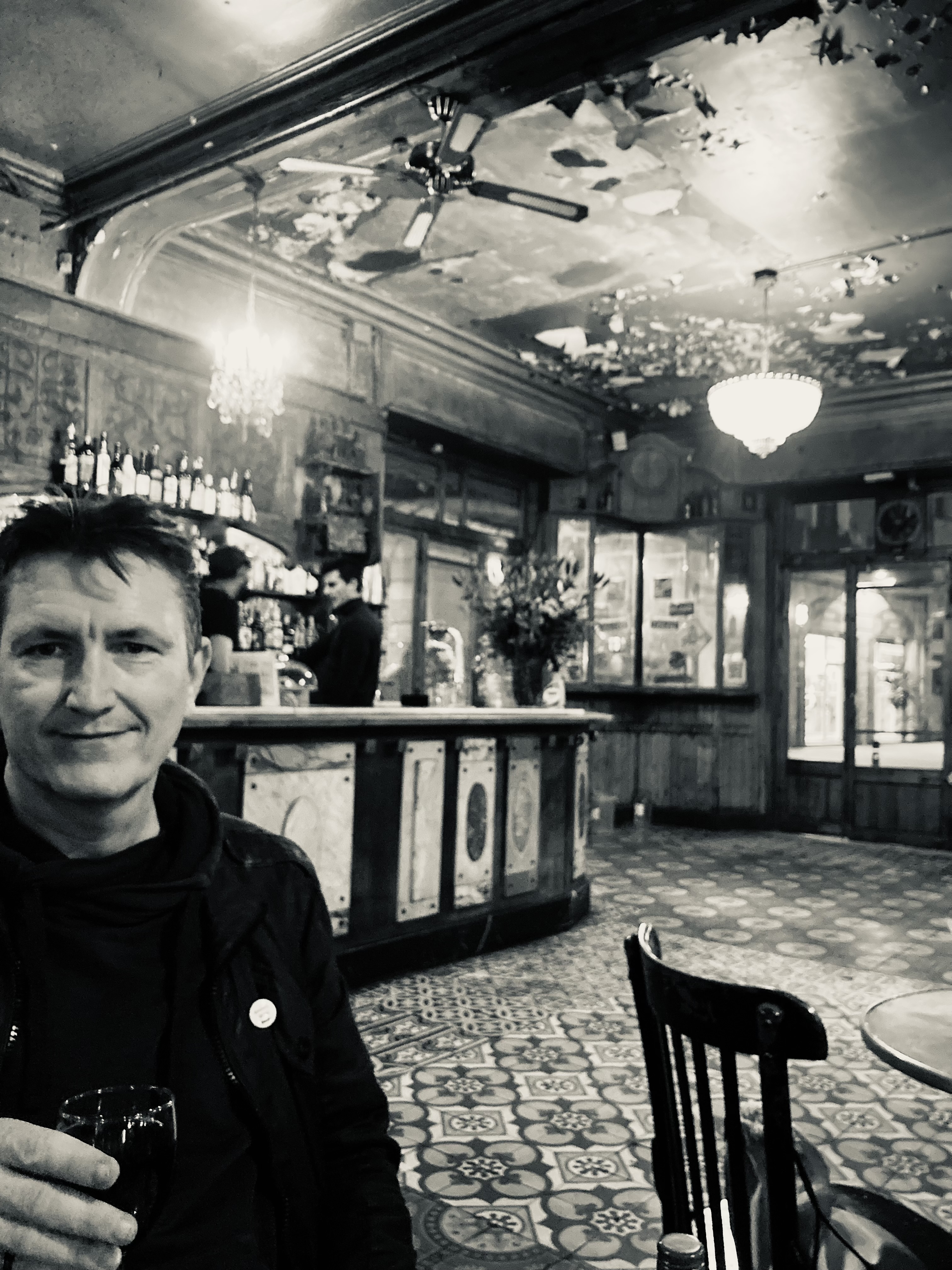
the photo? the significance of the photo? that’s me in a bar in barcelona that hemingway was meant to frequent. it was meant to have changed little since his time. unlike the bar. i think hemingway has changed writing forever.

moment 24

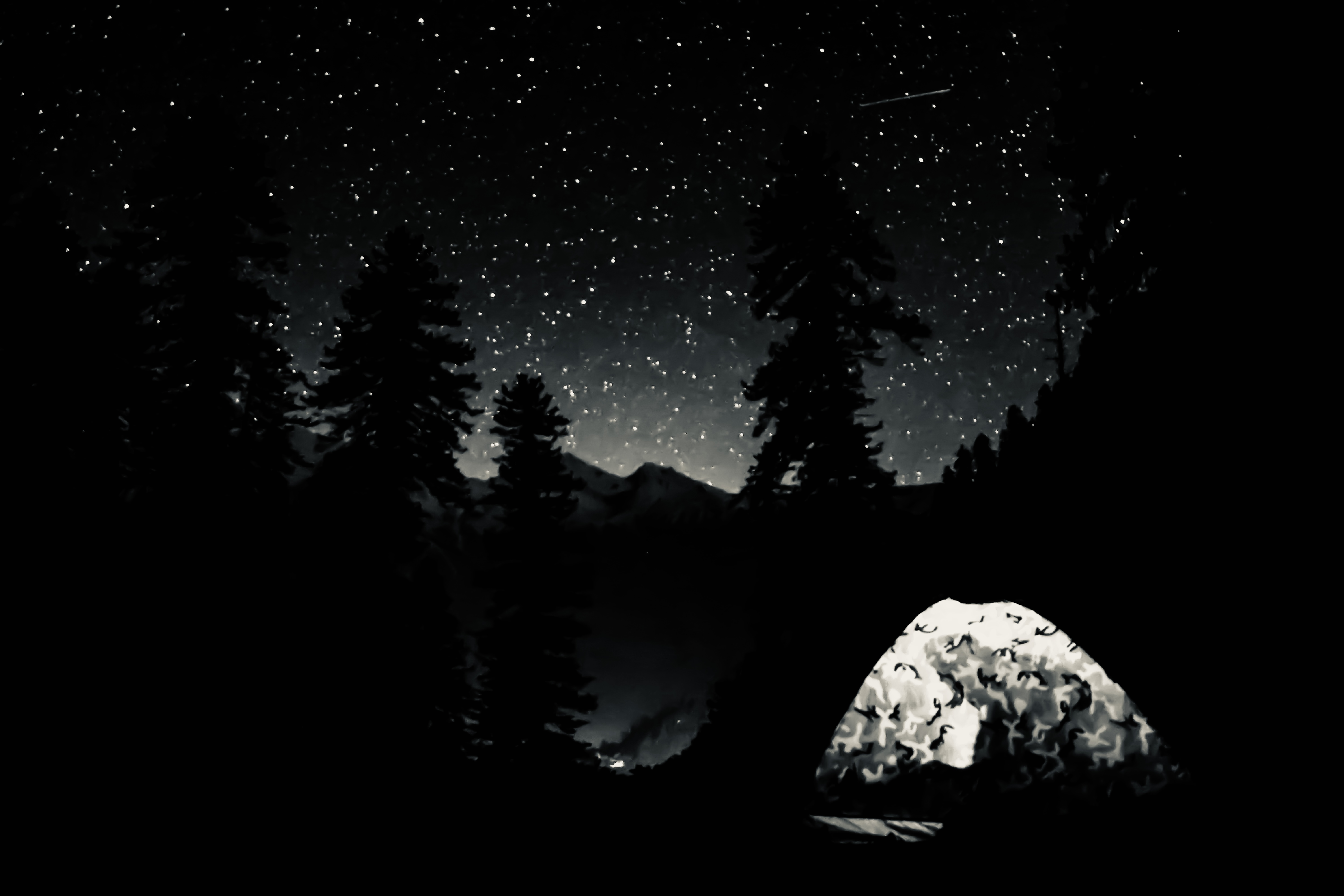
the sky is so dark here. real dark. not like the dark of the city which is like a deep, dark blue. illuminated by the streetlights. the lights of shop windows, offices, apartments. the lights of cars going somewhere, quick and fast. a blur of light up from the city, into the sky, making it dark day. the sky is never black in the city. just the colour of uniform. the stars lost, devoured, consumed by the city life. florescent lights are our wonder now. laser lights across the sky, picking out buildings. no room for shadows. nests are filled with birds with insomnia. tablets on a branch. if only we could sleep. the streetlight flickers. blink on. blink off. blink on. turning backs to the light. but here it is real dark. black of soul dark. reaper cowl dark. even trees become invisible. you have to sense them. sound echoes in its closeness. it touches the ground. spreads. over every blade of grass until all are nothing. a void. a board to be chalked upon. above are shapes i had forgotten. shapes like stars. pinpoints of white in the sky.

writing routine

finding time to write can be problematic. it can affect getting into a routine. and can make the routine or writing habits you follow. many books advocate writing regularly. some say every day. i have never managed that. being busy with family life. and holding down two other jobs to pay the bills can impact on the time you have available. and by time: i’m not just on about physical time. the time to be free from work. i’m also on about the more important mental time. if you have stressful jobs that are mentally taxing and full on then it takes awhile to achieve quietness. the quietness you need to let your imagination play. explore. dance from thought to thought. place to place. if your’e mentally exhausted this takes longer. first you have to recoup. then gain the quietness. then focus on the writing.
so i snatch my quietness. my writing time. it is not regular. or frequent. and due to that. i forget. i forget what i have written before. where i am in my novel. the threads i have set up. i plot but they are brief notes. often single lines for a chapter. a glimpse as to what the chapter may hold. the rest i write on the hoof. by the seat of my pants.
this means i break all the rules of writing. i don’t edit after i’ve written a first draft. despite how many writers recommend this. i write a chapter or section. leave it whilst i turn my attention to family and jobs. return to the writing. read that chapter and edit. write the next chapter. i edit and write as i go.
i tend to find i don’t do a lot of change. maybe it’s because i ponder a lot what the next chapter is going to be. if i can remember it. think about the characters. the situation i left them in. and i’m a slow typist. that helps. i use just two fingers to type. this has the effect of slowing me down. so by the time i write a sentence or word it has been edited in my head several times. the paragraph shaped. that is why some writers advocate writing by hand. to allow time to think.
when i wrote my first novel. it was by hand. and the edits. only at the final stage did i type it up. i still do some writing by pen. my prose-poetry. it is straight from pen to paper then to ipad. a few changes on the way. novels are straight onto ipad.
i use Scrivener. i like the corkboard and how it can be used to easily shift things around or generate an outline. the outline proves very useful writing a synopsis for agents, etc. i write my novels sequentially. i don’t hop to a scene if stuck. some writers do that. but i can’t work that way. i need to solve a problem before i move on. not that i have many problems. due to all the time between chapters and typing it down i usually have them ironed out in my head.
i also make use of a good writing group. it is local to me and offers invaluable insight on what i’ve written. they will point out if something doesn’t quite work or needs fleshing out more. and it provides a good indicator how a reader might react. do they laugh when you intended? were they surprised by an outcome as you wanted? or was it all guessed too earlier in the story, leaving no surprises?
writing groups also give a good incentive to write. you want to make it worthwhile going. to offer something to an audience. to not go empty handed. this keeps you on track.
however you write is up to you. you find your own path. despite what some may think. there is no secret formula to writing a novel or getting a book published. it is all out there. you can read loads of books on the subject for suggestions. but ultimately it is down to you. your words. your effort.

moment 25

my relationship with sleep has always caused problems. as a teen i would sleep for hours, lost in a world of spaceships, maidens and dragons. when asleep, i would surrender myself completely. a cat chased a pigeon in my room. i slept through. instead, i woke wondering why there was the footprint of feathers everywhere. once, when older, after a late night, i slept long and hard. i woke at 6 to the dark. i cursed waking so early only to discover it was evening and had slept the day. now, sleep and i have an on/off relationship. sometimes she is hard to grasp. just out of reach. an elusive thought. i toss and turn and despair as mind races through a million moments. a million reasons to lay awake. as one is dealt with, another appears. an unending cycle. an infinity loop. other times. i stay up late. too awake to sleep yet. too engaged in something to want to succumb. time matters not. i am in the now. i fight against sleep until it pulls the shutters and i fall. i awake confused on the sofa.

moment 23

i left the house. needed to get away. on my ten speed, blue with silver. through the quiet traffic. across town. anywhere. just not there. down the path by the red brick youth club. stream running nearby. follow the stream. across the bridge over the weir. a moment to watch the water tumble and fall. a froth of white turbulence. across I went. no cycles allowed. on-wards into the park with the river running through it. i came upon my stepfather and friend. fishing. watching the bobbing of the float cause ripples on the water. enticing. i took the fishing rod, metallic blue, bottom of the range. a finger resting, watching the line. waiting. the fluorescent float bobbed. then disappeared. up again. then down. a fish biting. a hook cutting in. i wound the reel, pulling occasionally. wound him in. the line straight and taught, heavy. i pulled and wound, pulled and wound. the hook caught. up to the bank. up into the air. the fish thrashing, twisting, spinning on the line. i brought it into shore, on the grass of the bank. its rainbow colours hinted of deep magical places in the sunlight. of freedom in the green reeds, along the beds of the river. the caress of the current on scales as it ran along the body. a never-ending world. i watched as the fish gasped for freedom. its mouth opening and closing in the air. too much oxygen. open. close. open. close. hook through lip. i bent down and carefully removed the hook. carried the fish, in the sun, gleaming, to the sparkle of the river. lay it down on the water. watched it swim free. i left the rod on the bank, said my goodbye to my stepfather and friend. cycled slowly home. through the sleepy traffic of the town. up the hill past the tin topped house. to my door. i opened it quietly. went into the lounge. the rabbit was dead.

moment 22

i sit by lake coniston watching the water ripple across the surface surrounded by tree banked hills and the gentle curve of mountains. the sun dances on the water celebrating the day, the break of storms and torrential summer rain. swans glide curious at the commotion but proud to show off their young to any who will give them attention. the launch leaves the jetty, sending great ripples to unnerve the newborn rowers and offering a moments excitement to the many paddle boarders with glaring colours of orange and green. the screams of children splashing and the chatting of adults in the sun. tea cups clink in the bluebird cafe as orders are yelled by the staff. a wave of sound fills the air flattening the moment as smoke rises from campfires away in the woods. what would wordsworth have made of his beloved hills and water? would he have found the time to stop and think, to channel god’s talent and compose? or would the constant din of activity stifle and consume, killing thought in its grasp of sound, a black cloud of storm thunder smothering, drenching the poet, blotting his page, words obliterated as soon as thought of, all consumed by the downpour? what then to history? the writer’s lost to a life dull and obscurity, not the conversation in a white cottage or the delight of a sister, but sad mournful days of what could have been, if only, if only.

moment 21

the son sat in the bar sipping his prosecco. he hated it here. the place smelt of damp dogs, wet people and two-day breath. why had he agreed to meet here? there were far better places. they could have met in the new artisan coffee house in town. great flat whites, free WIFI and young female barristas. here everyone was old. but then it had to be this place. he was more comfortable here. it was easier to say. waiting. he glanced at the menu of fish and chips, burger and chips, or steak. vegetarianism a thing of mystery. not even a lazy lasagne or penne pasta could be had. so he got another prosecco from the bar and a pack of stale ready salted crisps. that was lunch then. he stared at the bar a moment at the hopeful horseshoes hammered carelessly around the bar. and the collection of beer plates of ales they never had. what time was it? nearly twelve. he would be here soon. if anything was said of him, he was punctual. old school. no doubt, he would be dressed in shirt and tie, v-neck brown jumper, grey trousers and sensible shoes. he had worn the same for years. ever since he retired. it was a matter of duty. like collecting for the british legion, watching the queen’s speech, or buying the times. he was a man of timeless routine, of familiarity. 

at precisely twelve, he came in, ordered a 1/2 of mild and sat opposite. this was it. the meeting. the important discussion they had to have, the son took a gulp of prosecco. what to say? how to say it? how do you say to a person it is time? so he just looked at him. waited. hoped he would say something first. nothing. he was always a man of few words.
“dad?”
“yes.”
“did you read it?”
“yes.”
“you know it’s for the best.”
“yes.”
“and?”
“it’s just the dog.”
“we’ll find it a good home. you know we would take her but, you know, the cats.”
“i know. it’s just…”
“yes.”
“it’s just I’ve had her so long. part of the family.”
“i know. it’s just there is no option.”
“i know.”
“just, you know. i’m working all the time. it’s for the best.”
“i know.”
“we’re thinking of you.”
“i know.”
“it’s just…”
“i know. just.”

pumpkin

mr higgins scooped the last of the insides out into the green plastic bucket. it had been a fruitful year. the display on the wall by the porch looked particularly good this year. sat in a row. images lit up. arresting. just the right note for the season. surely, he would win spookiest house again this year. not that anyone would tell him. folks tended to keep away. since that time. no doubt he would read about his prize in the local paper. get the trophy in the mail. no ceremony for him.
satisfied with the result. mr higgins added the harvest to the wall display. placing it on the end. he lit a candle and lowered it inside the hollowed bowl shape. putting the lid on top. the eyes lit up bright like stars. perfect.
he went back into the house. into the kitchen. put the kettle on. sat on the old wooden chair. and waited. they would be here soon enough.

they left the house screaming and laughing. he had done it again. can you believe it? tommy strolled at the back. head down. shamefaced. his mother had been right. this night was not for him. he should have listened to her. instead, he had climbed down the ash tree from his bedroom window. blue bag in hand. joined the school kids laughing along the street. going house to house. but he had done it again.
they walked along the path next to the house. mrs clarke. they said how she always gave the best sweets. the most. there would be a good haul here. there was a pumpkin on the wall making a fine display of glowing eyes and carved features. the sign that sweets were for the taking here. come in.
yuri rang the bell. a big long ring. the door opened. mrs clarke stood there. large bucket of treats in her hand.
‘go mad kids. i have plenty more.’
hands stretched out and grabbed fist fulls. dropped them into their buckets and bags. all except tommy. he stood back. by the gate. too scared to go in. feet rooted at the spot.
‘is that tommy marsden by the gate? come in tommy. grab some.’
tommy stood still. unable to move. hands moist. heart beating.
‘your bag full? ok. never mind.’
the children moved off. mrs clarke shut the door. moment over.
michael peered into tommy’s bag.
‘bloody hell, tommy. i can’t believe you did it again.’ he turned to the other kids, yelling: ‘ hey! tommy did it again!’
a laugh went up. cries of ‘he did it again’ turned into ‘scaredy cat! scaredy cat! tommy is a scaredy cat!’ a scream of cackling laughter rose as the group ran off along the path leaving tommy behind. even michael. they didn’t want to be seen with the loser. the pale kid with no sweets in his bag. the boy too scared to go up to the door. what a scaredy cat. tommy walked the street alone. sick yellow light of the street lamps casting shadows.
the other children were gone. tommy stood by the path that led up to the old house. big white building, large windows, porch. well-kept garden. rose bushes and tall things. tommy’s knowledge of plants wasn’t good. should he try here or head home? surely, a house this big would give the best sweets? it was worth a try. mustering up his courage, tommy headed up the path. past the neatly trimmed bushes. the stone bird table with a lillipad in the middle. a large tree’s branches hung low over the garden and path. leaves turned oranges, browns, and yellows.
as he neared the house he saw the display on the wall. it had to be the best in town. the other kids would regret missing that. a row of twisted faces lit with glowing eyes. some had rows of sharp pointe fangs, razor sharp. others, a single spiked tooth poking up. and some with tombstones in their mouths. the noses were all sorts of shapes, sizes and angles. the expressions on each different.
tommy stopped at the steps leading up to the porch. should he ring the bell? he could turn back. the lady at the store had said: only bad people lived in bad places. but his mum said: the lady at the store had bats in her attic.
cries of scaredy cat filled his ears. his head. the empty bag felt heavy in his hands. no. he must do it. had to do it. he took the white steps up to the porch slowly. leaned forward. pressed the bell. he could hear footsteps in a corridor approaching. a sort of shuffling walk. fumbling with the door lock. the door moved open.
an old man stood before tommy. blue worn slippers. brown chords, faded. white shirt and grey cardigan. grey hair was parted to one on a head which wore thick black-rimmed spectacles.
‘ah. you came. you want sweets?’
tommy’s mouth went dry. hands moist. his mouth opened and closed like a gasping fish. words would not come out.
deep breath.
he needed a deep breath.
count to three.
‘yes. ple..please.’
the man opened the door wide. tommy could see a glass bowl on a table in the hallway. it was full of sweets of every colour. blues, browns, reds, yellows. shimmering foil paper delights. but that wasn’t what caught his eye. there, in the middle, was an enormous mctavish whizzbanger. bigger than he had ever seen.
‘if you want it, just come in and take it. i have plenty more.’ the old man shuffled back from the door. clearing the way.
tommy knew he should not enter stranger’s houses. he had been told at school. told by his mother. 
scaredy cat! scaredy cat! tommy is a scardy cat!
if he had that whizzbanger the other kids would no longer call him names. they wouldn’t laugh. they would gather round amazed. jealous. he would be talked of as special. a hero. they would follow him. they would follow to the land of sweets.
tommy stepped in. past the old man. up to the bowl. there was only one thing he wanted. he put his hand in the bowl. grasped the whizzbanger. the door clicked behind him. 

mr higgins scooped the last of the insides out into the bucket. what a great expression he caught. it would certainly catch someone’s eye. he climbed up onto the wooden kitchen chair. reached high to the top of the welsh dresser to fetch down the orange paint. it had been another fruitful year. the display on the wall by the porch would look even better next year. sat in a row. images lit up for all to see. arresting. just the right note for the season. surely, he would win spookiest house again.

raven

lately i’ve been suffering a bout of imposter syndrome. when i work as a bookseller i rarely, if at all, mention i write. instead it remains a subject pushed to the back. hidden away. securely. in a box. wrapped in chains. big large lock. the key secreted away. i feel the dark bird of the imposter resting in the shadows. hovering on my shoulder. i can’t call myself a real writer. i’m merely self-published.

ok. it doesn’t mean i feel that self-published writing has less quality controls. many employ editors to analyse their work. typesetters to arrange the pages. designers for the covers. great expense is invested in their work. to achieve the goal of a finished book. and often the writing is great. brilliantly put together. they just weren’t chosen by the gatekeepers. and those gatekeepers are not infallible. the great publishing house make mistakes. who hasn’t tutted at a traditionally published book with errors in the text or a glaring plot hole?

yet still the dark bird hovers. i was no it chosen to be amongst the traditionally published. certain websites and organisations shun the self-published. only the traditionally published will do. it does not matter to them or me how many hundreds of books i’ve sold. i was not chosen. i am the harry to the william. no great reward awaits me.

i often think when edgar allen poe wrote of a raven he was having a particularly bad bout of imposter syndrome. it was there at his door. clawing to get in. to dig the talons in. so i remain silent on my writing. mention it not to the traditionally published. my dirty secret. instead i keep it hidden. only revealing it to my writing group or spoken word events. then i hurry away. pages destroyed. the shame hidden.

moment 20

there was a break in the clouds as the rain changed from torrential hard and heavy to torrential light. they sat in the car chatting as mum, the driver, followed the voice of the SATNAV. they discussed the merits of square crisps. the SATNAV points to a pass with dire warnings of not suitable for lorries and avoid at winter. but they are city folk. they sat sipping prosecco as the carpet shop burned in the nights and youths ran from shops with bags of rice. they sat reading books as the drug gangs stabbed each other over a postcode. they sat sipping tea as buses exploded and bombs went off on the underground. the next day they shopped in town. how bad could it be? the road wound its way through green rocky hills, sheep crossing their path. grey stone in green with the littering of white forms too focused on the ground to give way to a car. the road narrowed into one. twisting L-shapes with occasional space where another could pass. maybe. please don’t let another car come. please leave the road free. high in the heart of cumbria they stopped to take a moment on her back. to admire the curves of her body. the rise and fall of many limbs that receded into the horizon. a photo opportunity with a sheep then onwards down a spiral of road, each turning a fall. they passed on the way the fallen travellers to potholes. hoping, wishing, begging they did not join them. they passed on the way pensioners in small cars going in the opposite direction they had been. if only they could call to them. if only they could cry a warning: don’t do it! but too late, they were gone. and so the road continued to twist, curling its form around the tyres, flicking its tongue at their wheels. just as they thought: this is it. the narrow winding pass came to an end and they saw a road.

moment 19

he rode at the back. wheels turning like a ‘45. three gears weren’t enough. the heavy frame of the Chopper didn’t help either. yellow with long slung handlebars and a seat two could fit. he would collect his sister from brownies. her sat behind him as he peddled home. complaints of silver cleaning. there was that one time they had got stopped by the police for riding on the pavement. and for her sat like that. they had got off and walked until the police car was out of sight. then they had enjoyed the speed of the hill. the air through the air. the thrill of doing something risky. the blur of the hedges of houses. the slow stop at the bottom on worn brakes. but now he rode at the back. his friends ahead up the curving hill. cursing the bike as the distance grew. they laughed ahead with calls and the joy of being on an adventure. he wanted to be home. to rest his legs. he wanted a bike like theirs. 10 speed racer with thumb wide frame. large wheels to reduce the need for peddling. he glanced up at the trees that curved down over the road that let in a pattern of light. hints of another world on the road. one of shapes that flicker or gently sway with an occasional dart of black birds. as he reached the big bend, ian was waiting for him. they both gave a knowing smile of best friends and continued together. ian in front, him struggling behind. just as he thought they would be cycling to the heavens, they met the others in a break in the line of trees. a narrow track led into a wood, the path muddy with pools of water. mirrors of a dark canopy. they bumped along.  surrounded by the tall netherworld of tree trunks.  pine leaf forest of brown and silence. that felt as if they had left the world behind. the world of terraced houses, back garden borders, and too interested neighbours. a world of cars, people and school work. but now they were the four outside the realms of people. the four knights on their stallions, although his was a nag, entering the world of fairies and maidens. until they met a fence. a new wooden fence with a gate. they pushed it open, undeterred and rode on the trail. banks of mud now rearing on either side, topped with small trees and bushes. a turn to the right and they were there. almost hidden but if you knew the secret you could find it. the lake. the lake older than the lady rising with a sword. the lake still with secrets and deep depths. they left their steeds.  and sat by the water’s edge. pulling out sandwiches covered in silver foil from their jackets. too happy to say anything. they had reached the fabled prize and were receiving their reward.

moment 18

a path taken. terraced houses with metal sleeves. yapping dogs at gates mark the boundaries of freedom. a glass jar with string handle swings. what will it be today? a wide open road. not so busy now. the quiet hours. a quick clash and climb down. bridge marking the spot. a trickle of water. pebbles and weed. the sign of a stream. eager eyes look. the quickness of the young defeated. never mind. optimism prevails. darting hands reach and clasp. a tricky customer escapes. aching back pushes another strategy. jar flat in water. waiting. waiting. a lone tiddler edges near. then in. a grab and a swing. the beast captured. weed added for company. the proud hunter climbs up, carefully. follows the path home. trophy held aloof for all to see.

moment 17

the second hand clicked slowly on crossing the white face of the clock. the black plastic hands told harold it was nearly two. he had been waiting an hour. an hour. and still no news. he sat staring at the blank white door in the blank wall. featureless. no clue there to guide him as to the outcome. no signage for him to lose himself in. if only there were a picture, a painting to pass the time in imagination. he could have lost himself in the colours. the swirl of brush-strokes. the splodges signifying something. a fleeting meaning of a moment, a thought, an idea. but all he had was a white door and worry. why hadn’t she let him go in with her? why the secrecy? what was she hiding? he knew in her way she was trying to protect him but this was worse. the unknowing. all she had said was ‘lady problems’ and left it at that. but that said nothing. she had always been like that. keeping everything to herself. like the time she had her wisdom teeth out. he had known nothing about it until she had come home, had soup for dinner and was barely able to speak. he could have done something. held her hand. said soft words to smooth the pain and fear away. like he had tried with the birth of their daughter. words of encouragement. the damp cloth to the brow. holding of hands, tight, feeling the clench of pain. trying to draw it from her, to will it less. but not this time. not now. today she was alone in that room. without him. maybe he was selfish. maybe he just wanted his fear to go, to be elevated. the pounding in his chest to go down. the hundreds and millions of whispering disasters to die away to nothing. for all to be calm as they sat there. he was probably making a fuss of nothing. he did that. he would imagine a terror where there wasn’t one. he just had to be patient and wait. that was his role: to wait. so he sat and looked at the clock. the white clock on the white wall. it said five past two.

moment 16

rumble strewn ground. sounds of mortar in the distance. shells stood where homes once were. the carcass of a tank stood in the road surrounded by the fallen. blood patterns on brick and littered bones. he hid behind a wall that once was a building. weren’t they meant to be winning? he remembered the time they had landed. the embrace of the sea. what a sea! he had never seen such blue. the sound of sand beneath boots. the arc of birds across a clear sky. they had marched through green. small villages with friendly locals. an offer of wine and a pat on the back. an easy time. they marched on. over poppy fields, polka dotted landscapes. bees led the way. then the sky darkened. rain began to fall. the sound of distant guns. experience told him they were close. they had entered foolishly. too in the open. he took the route behind rubble, close to the walls. he was no fool. the young fell. first to go was Ajay. three shots to the head and gone. he had liked him. but in war attachments were deadly. better to look after the self. the weapons lay beyond reach. next, was Will running for the tank. he had cried a warning but too late. landmined. a cloud of blood and bone. next Jacob, the leader, taking the high point in a tower with sniper rifle. but they were ready. a trip wire saw to him. so now all alone. crouching behind a wall. bullets hit brick nearby but not there. perhaps it was safe to look. just a second. he got himself ready. moved cautiously and peered around the corner. a crack of a gun. the last thing he saw were the words Squad Killed.

moment 15

they sat in the cafe at the station. luke warm and weak coffee sat ignored in paper cups. a half-eaten slice of carrot cake waited to be finished.she looked at him, the man she had spent half her life with.the jaw line beginning to go; the flicks of grey over the ears and in a weak moustache. why did he keep it? optimism, she supposed. the only sign he was ever optimistic was wasted on that. he sat in baggy top, to cover a developing paunch, a mark of too many good business lunches, and black baggy jeans. they would have been slim fit once, tight over tight bottom she loved to squeeze. but no more. that too was gone. how had they got so old? she took a tissue and compact mirror from her bag. damped the tissue with the end of her tongue, and gently worked below her eyes to remove smeared mascara. what a sight. she didn’t want to make a scene. even now. that wasn’t like her. perhaps if she had been more forceful in her wants things would have been different. he would have been different. she would have complained about the late nights, the breath that tasted of stale beer, the fumbled sex. she would have demanded care and attention, respect. she would have demanded a child. but those moments were lost in time. ‘no use crying over spilt milk,’ her mother would say. stupid cow. what did she know of struggling? father had given her everything: a house in the suburbs, two holidays a year, her own car. and died. but here she was with her partner sat in a railway station cafe. not even a ring on her finger. in all that time. and now he was leaving. leaving for her.

moment 14

a room of grey and white walls littered with splodges of colour. different shaped but carefully placed. white chalk splashes on grey softened floor. and the silence of perspiration and concentration. a striped adventurer looks up, rubbing her hand. today blue. an arm stretches up, fingers feeling, testing for the right spot. experience says it can’t be done but that doesn’t deter. she is full of the optimism of this time. a right foot goes up, finds a place, then a push. the other arm stretches, feeling the path, over the holes and bumps until it reaches blue. fingers clasp the hold, left foot, push. a disadvantaged spider clinging to a wall. right hand up. up. come on. just. too. far. a slip. a fall. a soft landing. a smile.

moment 13

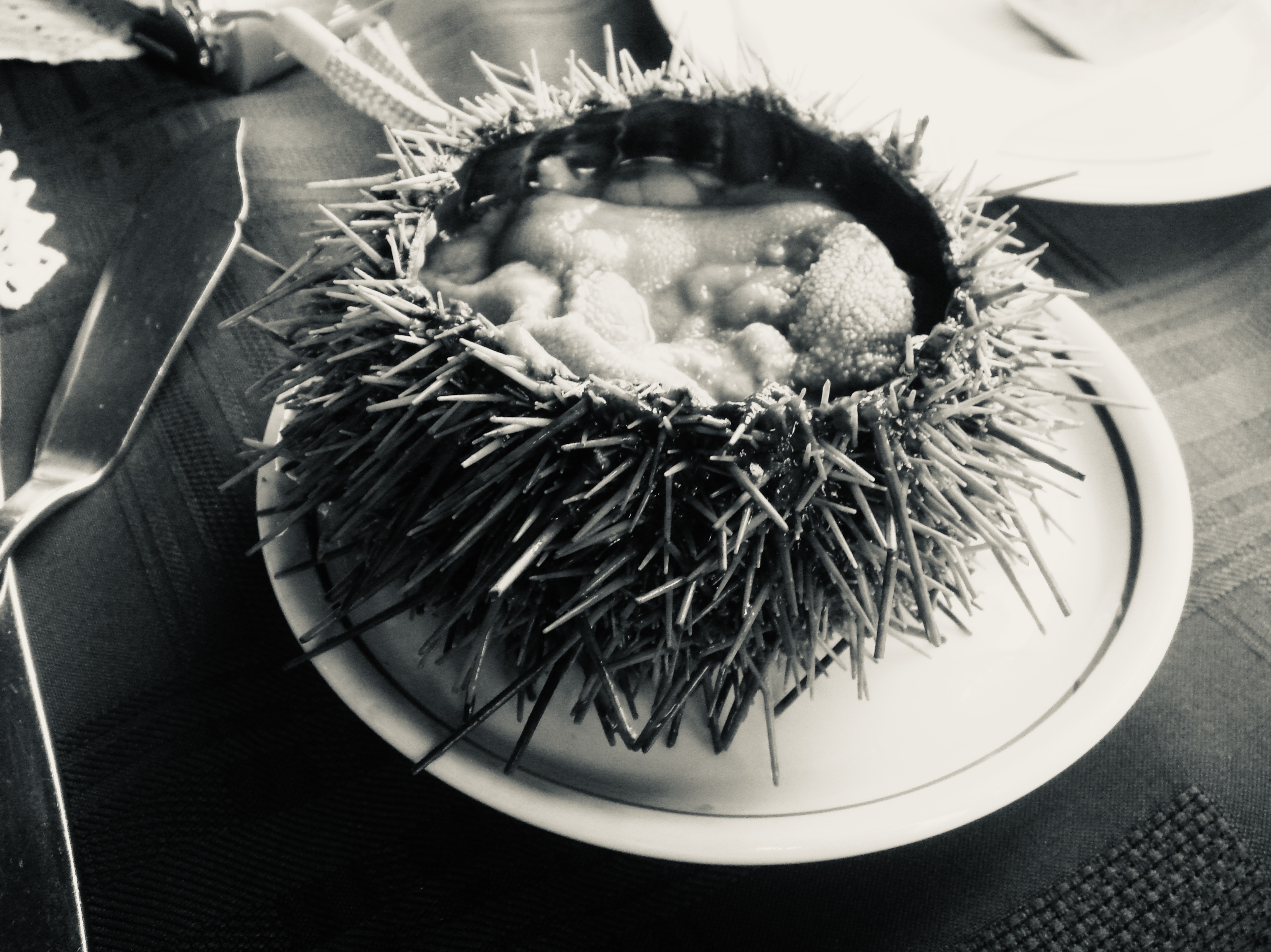
last night i ate sea urchin. it tasted of the ocean. the body soaked with the tears of whales crying for the lost of their children. the warm fur of a white seal pup before it meets its end to the hand of cruelty. the plastic embrace of a shopping bag around the throat of an artic tern. the urchin cried for its fish brothers. never more would they dart between its feelers searching for food. it whispered to me of lost porpoises trapped in nets raping the sea. it told of sharks too fearful to leave the sunken ships of death’s folly. i heard the boast of old sailors swapping trinklets for lives. i stopped a moment and put the chopsticks down. then ordered another item from the menu. one without the bitter taste.

moment 12

a body made of chicken wire, glue and paper. built up over the days, layer by layer, strip by strip, to become a hardened shell. then paint applied, a mixture of greens, browns and blacks. finally, a detachable monster’s head. a precious item. the performance arrives. muffled instructions received and misunderstood. a roaring entrance down the aisle to the stage. parents watching. a speech given, time to turn and leave. a pathway narrows until I’m stuck in rows. unable to move. the heat rises in the costume, the papier-mâché body seems so thin. stiffled laughter permeates the hall. parents come to the rescue, moving chairs. the monster is freed and makes a quick exit.

moment 11

so i am sat here in a courtyard surrounded by boutique shops and a bus that is a bar. i come here to escape the distractions of day time TV or the internet, the endless ramblings of social media. i sit sometimes in the yard on an unsteady bench or on other days in the 2nd hand bookshop, writing in my small black moleskine notebook with a drink to hand. usually, i am left alone to ponder, imagine and daydream before a customer comes into the bookshop to interrupt and peck at my quietness. but it is a bookshop. so we are often in our own worlds, them in an endless list of book titles seeking to hook, me in a sentence, a moment, searching for a word that stays just out of reach. the courtyard was not always such a pleasant place. once it was an unloved carpark full of lost promise and refuse. now, it is a place of creativity and creation. ideas blossom until the yard is full of flowers waiting to be picked.

moment 10

a town with nothing to do. a weekend free from school but no place to go. so we would meet at the wall in the high street and chat. there was no pre-arranged time. it was just an expected occurrance. i’m not sure how it started. just one day we were in town, opposite Boots, fizzy drinks in hand. there was a wall so we sat. it wasn’t a particularly notable wall rather the result of a town planner’s unimaginative flourish to put walls with planters along the high street. red brick and grey. the type of brick beloved of councils as it is hard wearing and cheap. the plants were not something to look at being a mixture of half-dead greens and littered cigarette butts with a lone ant in search of something sticky. we sat in the sun dressed in black and surplus army greens, trousers made of layers of torn trousers, each one more torn than the first. the heat was no problem. we rolled cigarettes and talked of music, politics and campaigns whilst watching the lesser mortals shop by. the stores would close and we would saunter righteous to our homes for dinner.

moment 9

every time it happens it amazes me. i can be sitting happily at home or lying in bed, nodding off after a tiring day, or even watching tv, or reading a book, then it creeps up. the little nag at first, a small tapping of the needle in a corner of my brain. Tap. Tap. i try to ignore it. refocus on going to sleep, focusing on the programme or the page. TAp. TAp. my stomach begins to clench as it know what is coming. TAP. TAP. then the voices, the cry of what ifs reexamining the day and where i went wrong or think i went wrong. did that person really mean that or were they hiding their true feelings. maybe they secretly despise. you may think that would be enough but not for my mind. it is just getting warmed up. now we top it off with predictive what ifs. what if i do something wrong at work tomorrow? what if my boss sees it? what if they find out i’m not any good? what if – what if – what if. it yells in my ear. my heart beats fast. i begin to sweat. everything around me is reduced to nothing. i just hear the voices. you’re a charlatan! you deserve to fail! you’re no good to anyone. i try to focus on my breathing like i’ve been taught. centre my mind on a single part of my body. focus. come on, focus! the voices laugh and yell at volume. out of control. they jump from cell to cell in my brain. kicking at the positive, knocking it down, crushing it under foot. count to ten, count to ten, count to ten. focus on your breathing. then the disasters tear up as punishment. the abject fears of harm to my family. did i lock the doors? is everyone safe? the voices come back: but if you did lock them, can you be sure? can you be trusted? surely, something so important can’t be trusted to you? count to ten. count to ten. count to ten. breathe in slowly. hold it. breathe out. focus on the toe. the right toe. now follow the toe along the leg. take a journey. one part at a time. the voices quieten to a whisper, not completely gone, just murmuring enough for me to know they are there. i get up, walk to the kitchen, and pour myself a glass of wine.

moment 7

old men with ghosts in their eyes sit sipping the first of the day. lost friends and family float in the air as carcasses chew on a roasted nut. they remember happier laughter when mates were plenty and pints 50p. now the laughter is full of bitter tears that fall on froth making sad eyes. No Name sits in his usual seat pouring down blackcurrant soda. he looks enviously at the amber glasses. no longer. doctor’s orders. Racist Phil peers angrily over his drink at the diverse staff then takes a sip of his barcadi and coke. they always smile politely. a lone lady with ruddy face and dye streaked silver hair takes a dash of wine then places a beer mat carefully over the rim. she waits for Harold. what’s keeping him? it’s his round. over cooked sausages, too crisp bacon, and soggy hash browns are presented to customers as a culinary delight. even the watered sauce wants to steer clear. businessmen too tight for Costas sit drinking free refill coffee while loudly demanding attention on their mobile phones. charge points are plenty but none are free. the dregs of the morning hang on as the lunchtime crowd are drawn in by special thursday curry with drink. laughter flies up as banter is machine gunned across tables and mobiles are compared. have you seen this photo? are they real? they can’t be. a lost family wanders in search of convenience. a grubby white high chair is offered like a fallen throne and gratefully accepted. a quick wipe down and it’ll be all right. a fruitshoot and chips for the kids, salad and spritzers for the mums. aren’t we being decadent. what would Michael say? thank heavens for colouring sheets and crayons. No Name orders a blackcurrant and starts the sun crossword. the lone lady, cursing Harold, drinks another wine. peppered curry arrives with lone poppadom and too sweet mango chutney. somewhere a cook cries in his grave. the rush comes to an end and the hearty remain. long gone the businessmen and mums – children to collect. Lone lady gives up, sinks her wine and asks for a taxi. she never has a phone. the writer smile’s at the content, sips his beer.

falling

writing is hard. and life gets in the way. i had the day planned. a few household chores. iron a few items for work. clear the table. write. re-write the chapter i’ve been failing to write for two months. but then life sends a curve ball. your path gets skewed. the odd jobs take longer. your mind won’t settle. won’t clear. too focused on the tomorrow. too focused on the before. no space for the now. you become exhausted by it all. the pressure on the self. mind blocks. you are prevented from getting into the creative zone. the point where your mind wanders, creates, imagines. plays games. instead you are stuck in reality. concrete grey blocks surround you. blind your vision. a single tone of grey.

anyway. it’s been one of those days. i got no writing done.

stuff about writing

Image of cup with writing on it. Prose poem writing.

So I have been reading ‘Swallowed by a Whale’ which is a book all about writing by writers and I have come to a few conclusions about writing.


1) Write. You should write. There is no avoiding it. Even if you dislike it. You have to write to become a writer. Many say each day. Or regularly. The amount of time does not matter or the word count. The important thing is to do some writing. Not to put it off. Procrastinate. Clean the tiles in the kitchen with a toothbrush. After all, that blank page will not fill itself.

2) Thinking counts as writing. Daydreaming counts as writing. Going for a walk daydreaming about thinking about writing counts as writing. It is important to do. It solves writing problems. It gives your mind space to create. No need to ask permission. Just do it. I find walking somewhere or sitting in a pub always works for me. Try it.

3) Adverbs are out. And adjectives as well. Exclamation marks for some reason! I have no idea why. They just say they are. Words will be next. You have been warned.

4) Where you write doesn’t matter. At a table. On the tube. In a specially constructed hut with all your nice things that someone else paid for (I wish). I tend to write in pubs. I find if I am away from household things I’m not feeling guilty about the things I haven’t done. I can give myself permission to write. When I’m in the house and writing I feel neglectful.

5) Get your first draft down and don’t worry too much about errors. Do not start rewriting your first few chapters over and over again as much of it will be cut. Mind you, I don’t follow that rule at the moment. I am writing a chapter, taking an enforced break, re-writing that chapter, write a new one. I find it gets me back in to writing as I can’t always write every day. It continues my flow and allows me to think of ideas to add to a chapter and act on it within a short time frame. I’m no good at making novel writing notes. Mine would be too brief so completely incomprehensible when going back to a chapter. Or so detailed, they would take longer than the novel. My approach works for me. It may work for you. Try it. Think about. Then do it your way.

6) Do not compare yourself to other writers or try to be another writer. You can’t. You can only be you. Their books you read have had a lot of time spent on so your first draft won’t be like that. And their lived experience makes them what they are and how they write. If you try to copy, it will be a pale imitation. Write you. Do not worry about other writers’ success. Think about your own triumphs. Set yourself small manageable goals. It is the nature of writing that you will never be happy with what you have achieved. Sorry. But we are riddled with self doubt. Even great writers like Dickens thought their writing might not be up to scratch.

7) Do not read reviews. Positive ones will only enlarge the ego and make you think you are a master of your craft and don’t need to improve. This leads to stagnation. Or you will think you are terrible and stay awake every night thinking about them. Just be happy if someone buys your book. If only just once. Someone liked the idea. You.

9) If you’re writing you are a writer. No one says to an unexhibited artist they’re not an artist or unrecorded musician they are not a musician. If you create you are a creator. You don’t need permission or official recognition to be a writer. Are you writing? Then you’re a writer. It’s that simple.

10) Writers like lists. They’re quick to write.

Thoughts based on Swallowed by A Whale (How to survive the writing life),’Edited by Huw Lewis-Jones.

2022 and all that

Well, 2022 brought a number of changes which impacted on what I write here. I have been submitting a new novel for consideration. But primarily, I have been writing a lot of prose-poetry. This has led me to the new outlet for my writing of Spoken Word.

What is Spoken Word?

Spoken word is when you perform any piece of writing to a group of people. It is often poetry but can be a story, monologue, or something else. It is quite flexible as to format.

Due to writing a lot of prose-poetry and sharing at my favourite writing group, I was encouraged to attend a Spoken Word night. I went along, sat, watched, then thought: I want to set up one of those. And where better than my favourite bookshop in my local area. So far they have been going well and I have been exposed to some great fresh writing that excites me and always leaves me thinking. Such a variety is on offer. All unique voices that should be heard.

Children love Spoken Word and enjoy writing poetry so it is a great thing to do for World Book Week. Why not start by enjoying watching some Michael Rosen, Benjamin Zephaniah, John Hegley, Kate Tempest, or Anthony Joseph?

As well as Spoken Word, I have been plotting and writing another one. I have changed my approach and audience for it. I’m venturing somewhere new. It is challenging and exciting. I’m trying to apply some of the approaches I use for my prose-poetry to the novel writing. I’m not sure it will work. Only time can tell.

What have you been doing?

Wild Words Festival 2022

So Friday 3rd to Sunday 5th June is the Wild Words Festival in Cuffley, Hertforshire. I am on stage Friday at 4:30pm and I must say I am really looking forward to it.

I have been sifting through my children’s poems to find daft ones, silly ones, disgusting ones to share to warm the audience up before we get onto the serious business of wishes.

Wishes are so important to stories. Without them many things would not happen. Events would not take place and characters would not be motivated to do something. Of course, the problem with making a wish is that usually something goes wrong as Billy found out Wishbone Billy.

If you can make the festival, do say high and do let me know what you thought of my books if you bought them. I always love to find out from children what they think. If you can’t make the Wish Wonder you will probably find me hanging out in the festival’s bookshop buying more books when I really shouldn’t. I have so many to read already!

Anyway, whatever you are doing over the weekend don’t forget to take time to find a quiet space and make a wish. Maybe just a small one. You never know who might be listening.

POEM: Bookshop

Quiet are the shelves
Time to let the words whisper.
Tomorrow they will be noisy.
Shouting stories at customers.
Protesting: buy me!
Medusa will leave you as a stone.
Transfixed before the shelves.
If only you had brought a shield.
But then, it is a bookshop.

This poem came about because I was in my favourite bookshop waiting for the end of day. It made me think of how quiet a bookshop must be at night and how each page of the books had a story to tell and wanted our attention.

Moment 57

Almost night. The light dims. The time when the big ones sleep. It is your time. Time to rise and stretch. Take a bite. A drink. To explore. A garden of possibilities.
Not star dark yet.
You sniff the air. Feel the night breeze on your face. Stroking you. A distant sound. Dog calling. Too distant for trouble. A jump. A gymnast on a bar. You dance along. Instinct.
Then sit.
This will be the last time. You feel it. In your paws. In your bones. The coming of the end. No more to watch the flight of falling stars. No more to search among the ground for the exciting. You think back to the loves. The wars. They are gone now. Only you remain.
Silver at your ears. Watching the days. But this the last. No more.
The end of nine.

This came about thinking of a twilight memory. It struck me it would be more interesting if it wasn’t a human but an animal thinking of their life. I chose second person as I wanted to put the reader into the body of the animal. To become the animal. To make them closer to the animal. To increase empathy. I think it works.