
it is said there are two kinds of writers: plotters and pantsers. if you’re new to writing and wondering what does that mean, then let me explain.
plotters map out the entire outline of their book. they can plan characters, scenes, character arcs, time lines, settings and so on.
pantsers approach a book by the seat of their pants. they don’t plan anything. they just see the blank page and go for it!
i never quite knew where i fitted in to these groupings when writing. my first book i wrote without any planning. i just knew what it was about and i sat down and wrote it. it was a children’s book of about 18,000 words and those words and the story just sprung to mind. i knew who the main character was and what the story was about. it was a straight forward tale which followed a main character on their humorous adventure.
the second book needed a little planning. i wrote a sentence saying what each chapter was about. it was still mainly driven by one main character but their was a sub-plot with a few others characters involved. however it was still a straight forward story.
the next three were outlined in a similar way. a brief couple of sentences for each chapter. maybe a bullet point of a key detail to remember but no more than that. they all had linear plots that were fairly straight forward.
the next book really needed some plotting. well, more plotting than i was used to. it was based on old detective noir and so i needed to know key events and when clues were to be revealed. most of the characters were pre-planned but some just developed naturally as i wrote. the book took a long time to write and really tested me. i wasn’t used to juggling so many elements and sometimes i forgot things as my notes were still generally brief. 2 or 3 sentences per chapter.
whilst i was writing that book, i took breaks by writing short stories and prose poems. none of these were planned out. just an idea and then write. a complete contrast to the detective novel i was working on. ok. it was my usual dark sense of humour with fantastical elements but besides that there were no connections between them.
so there i was. writing different things. both pantsing and plotting. but with the detective novel was i really a plotter? i have heard of people with multiple postcards outlying the key scenes of a novel; graphs that show character timelines and sciences they’re mentioned in; biographical details for each character; floor plans for locations; maps of worlds. none of that existed when i wrote.
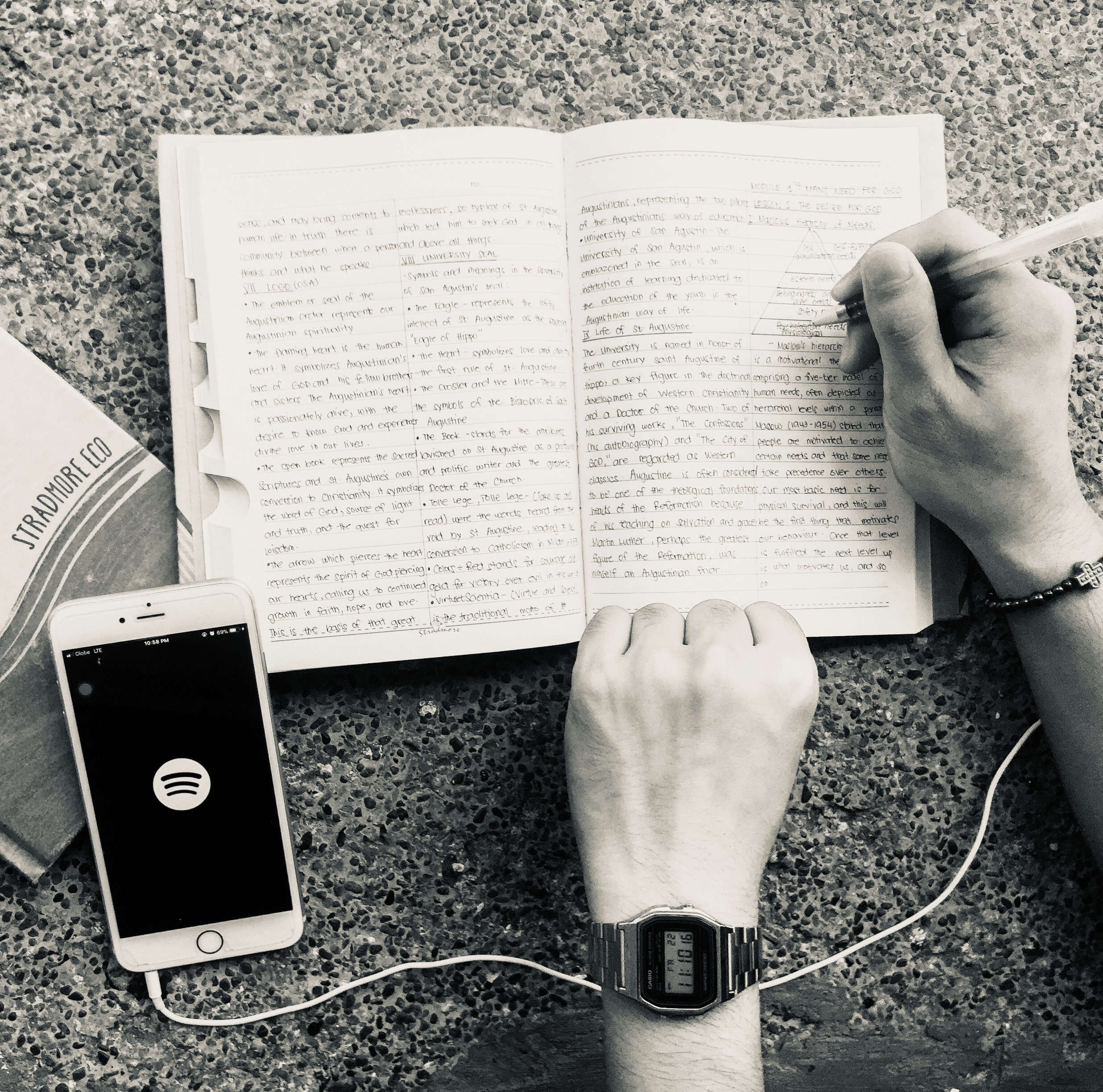
then i found myself waiting on beta readers and so decided to start a new work in progress. something to keep me amused. but this time i went back to pen and paper like i wrote my prose poems. gone was the computer screen for novel writing. gone the side notes. just a pen and paper. and a fuzzy idea. no notes were written down beforehand. no outlining of a plot. no. just pen and paper and that vague idea. and so it began.
it has been said by some that plotting stifles the writing. takes the energy out of it. im not sure the readers of books written that way would agree. i certainly cant tell if a book has been written by a plotter or a pantser. maybe it was more a reflection of how that particular writer felt about having to plot. to lay things out before they got going. of feeling they didn’t have permission to stray from the laid out path. certainly when pantsing a piece you feel free to do what you want. that you’re on a rollercoaster and where it is going you’re not entirely sure. but then there are drawbacks. you have to write more regularly or process a good memory of what you have already written. and you have to be prepared to rewrite and edit to fix the holes you overlooked in your frenetic energy.
having done both pantsing and plotting im not sure what kind of writer that makes me. undecided? maybe there is a place for the undecided writer when approaching a novel.
 SLAMFitzsimons