the months move on and the cold dark days of winter begin to fill with the light and warmth of spring. plants awaken in the garden spreading their leaves and the flowers blossom. animals play and skip across the grass with a spring in their step. literally. you would think with all this light and energetic joy writers would be happy. no. spring is the cursed month.
you may ask how i come to describe so a glorious time of year as cursed. well let’s look at the facts from the writer’s point of view. first all this sunshine and warmth. annoying. you are trying to buckle down to a particularly difficult rewrite of a paragraph in your dark and dinghy corner of an attic room with the cobwebs in the corners of the ceiling sagging with the dust of neglect. and what happens? sunlight breaks through the grime of the window and shines upon your desk lighting up your laptop screen making it difficult to see. the suns warmth beckons you outside.
‘come on,’ it says. ‘take a break. enjoy the sun.’
and you think to yourself: i will take a break. and before you know it you are sat on a whicker chair with a cool rosé in hand taking in the sun rays. time ticks on. you have another chilled drink. and before you know it the day has gone. the sun has set. and no work has been done. a whole day’s writing lost to you. never to be regained. instead you now have a feeling of reproach and guilt consuming you as you make your way indoors to the kitchen to make a chilled salad. all because spring is here.
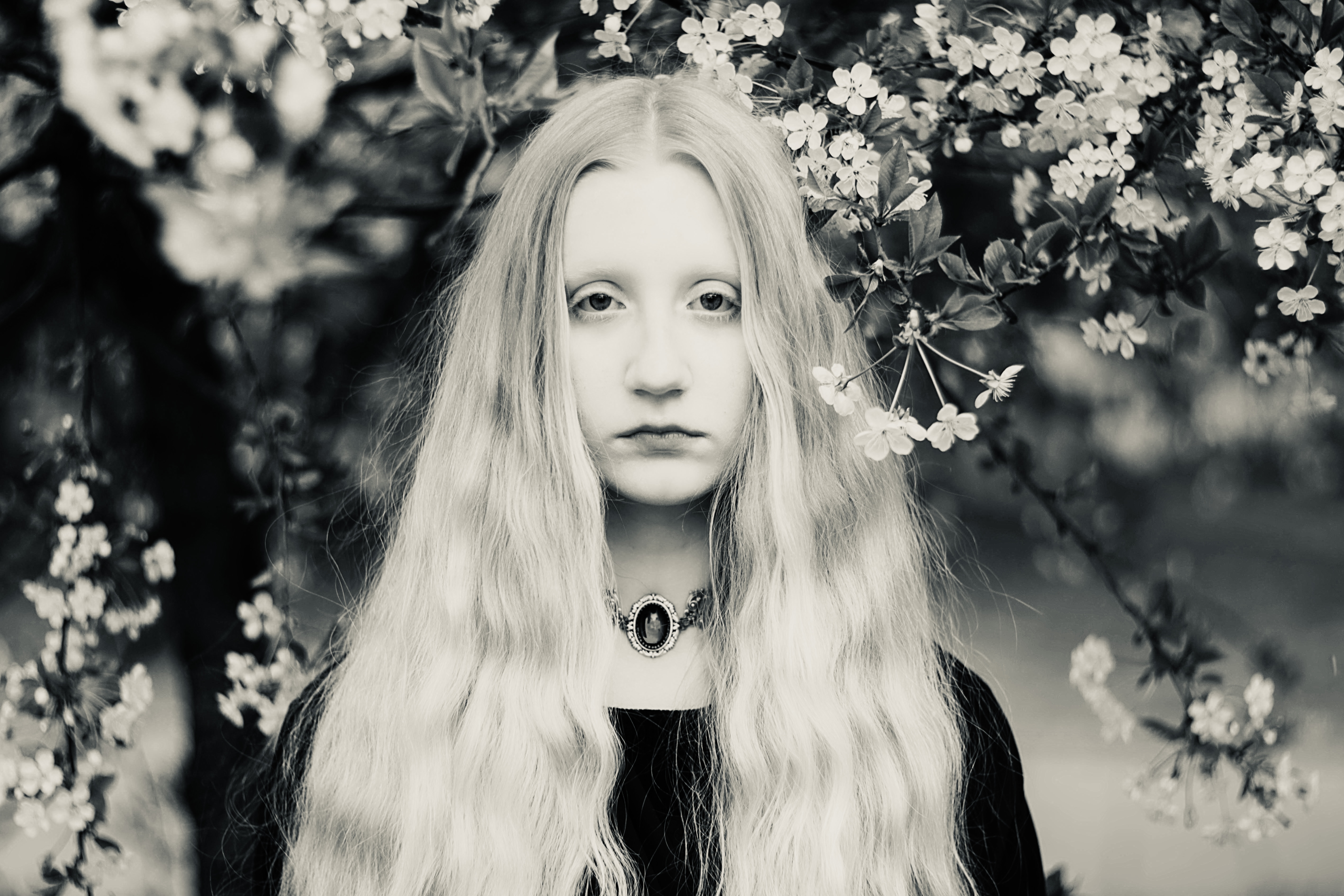
and that is not the only way the season is cursed. picture this. you are in your attic tapping away at the keyboard. the edits are going well. you are fully focused. in the zone of creativity. then in the corner of your eyes there is a slight itch. just slight at first. you try to ignore it. but the itch grows. so you stop your typing and rub your eyes. you have fallen out of the zone. you try to claw your way back. but now your nose is twitching. you are going to sneeze. you try to hold it back. nose twitching violently. a sneeze blasts out that echoes across the attic room. filling the space. bouncing off the walls. another. and another. and you are reduced to a sore-eyed-weeping-water-sneezing-violently-wreck. you can not think. mind numbed. cloudy. all thoughts on the novel lost. you have hayfever. the fever from hay. and it is a fever. the eyes leak. your nose drips. your face feels warm.
you search for the hayfever medication. you hold the purple box in your hand but it is empty. so you have to leave the house. leave your writing. and go to the chemist where you purchase a box of medication at a price slightly too painful. you could have got new pens with that money. paper for the printer. but instead you had to buy medication. you go home and swallow a tablet. but of course there is no instant cure. hayfever medication doesn’t work that way. you have to build up a resistance. it takes time. so all you can do whilst waiting is lie on the sofa with a box of tissues to hand and think about the writing you could be doing and blame the god of genetics or something.
so enjoy spring if you can. enjoy the sun and flowers and the pollen on the trees and walks in the woods through dappled light. but remember the harm that it does. remember the curse it puts poor writers under. the curse of spring.
Category Archives: creative
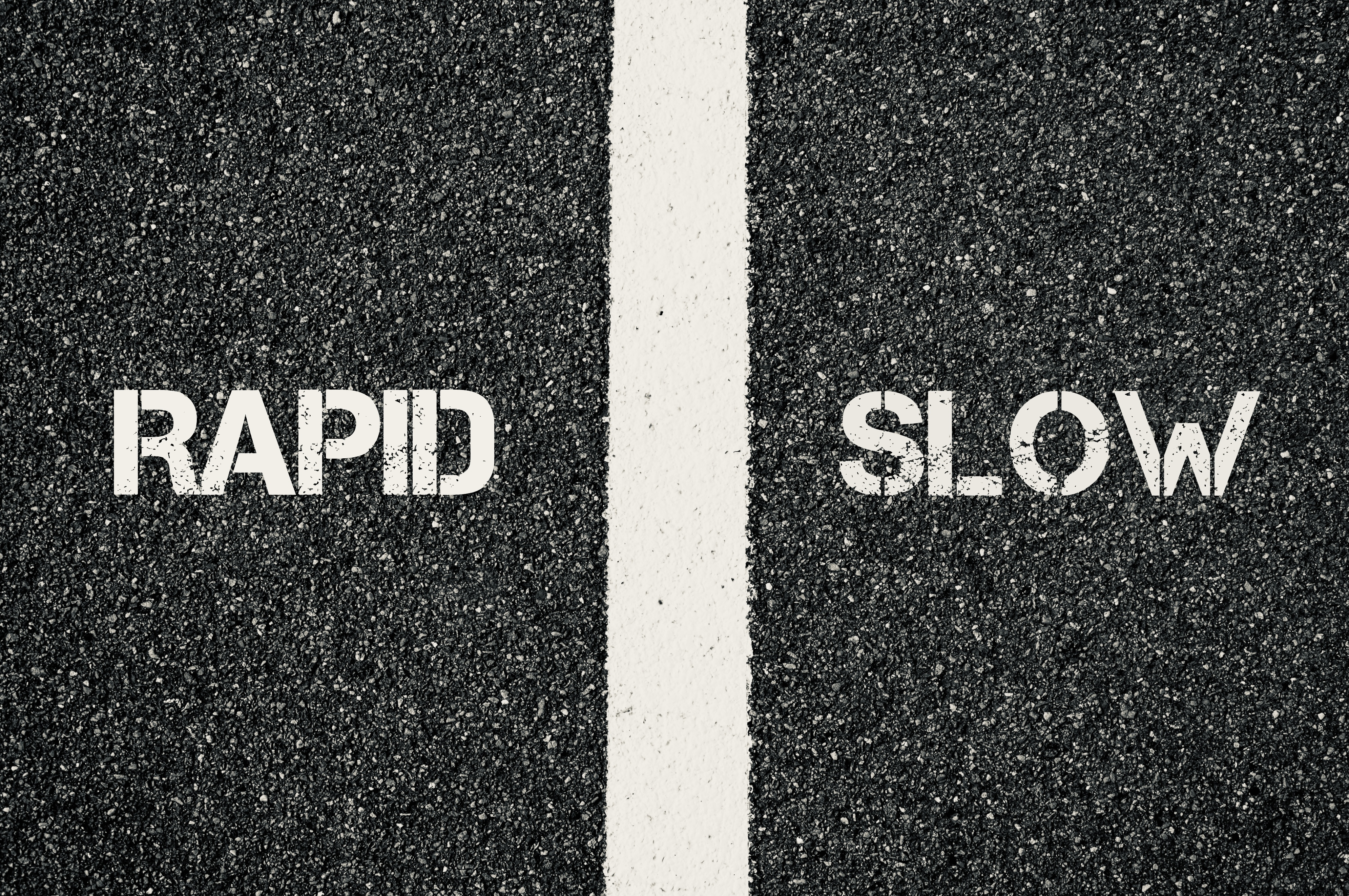
in praise of slow

in today’s world modern technology has added a lot to enhance everyday living. it enables us to communicate across vast distances, simplifies many daily tasks, and enables advances in many scientific areas. it helps us to perform tasks that were once long and laborious in minutes. it removes the time from a task.
we have engaged with tools when word processing to simplify and speed up the process of writing. the spell and grammar checker. the formatting tool. all of these has aided to quicken the time between the generation of the idea to it appearing on a page to publication. and now we have “AI” being pushed by large tech companies who promote the speed it can do everyday writing tasks. they say it is the dawning of a new age of writing. that it will enhance our work and make things easier. that the distance between idea to publication is almost nonexistent.
but is this rush to embrace speed such a good thing?
when i write or read i like to take my time. i like to chew the words over in my mouth. formulate and restructure the sentence in my mind. think ahead to where that sentence is going and contemplate what possible one could follow. for a while i dabbled with speeding up my work by writing my first draft directly onto a computer device. i reduced down the process between idea, composition, editing. speed was the king. but was my writing any better? was the process easier? no.
so i went back to basics. i put time back into the process. instead of the computer i switched to a notebook and pen. i allowed myself time to chew over thoughts and ideas. for the sentence to brew in my head. it may have only added a few extra seconds but they were valuable seconds. and i added further time. instead of being in a rush to get everything down i added deliberate pauses. stopping mid scene or paragraph and leaving it to pick up another day. the novel would get written but it needed the time to plant roots, develop its stem system, branch out and flourish.
the writing world has been guilty of this push for speed for a long time. writers publishing word counts. publishers demanding certain word numbers. a false dichotomy that demanded volume over quality. how often have we all read a book and thought ‘this section drags?’ what if there had been a bit less insistence on word count? what if the need for word numbers had been reduced? then we could have spent time on choosing our words more carefully and putting forward our best sentences.
so i demand of myself: be slow. take time in the writing process. don’t rush towards arbitrary targets. reduce the pace. grab a pen and note book. better still a slab of granite and carving tools. chip away at my sentences. letter by letter. word by word. until i have a great monument to my writing. something to stand tall and admire.
writers in hell
writers have had a long association with hell. when in ancient times orpheus descended hell to reclaim his love with poetry he knew what it was to write. he was famed for it and won back the soul of his love. but like many writers wasnt careful of the small print.
writers even today embark on a journey to hell. we willingly undertake writing a novel despite the hardships it may involve. the hours of loneliness in a room as you scribe away at your art. the lack of attention for your work from friends and family. they just aren’t as committed to the project you have spent years on. they may buy a copy under duress and let you know they are being supportive but whether they actually read the book is open to question.
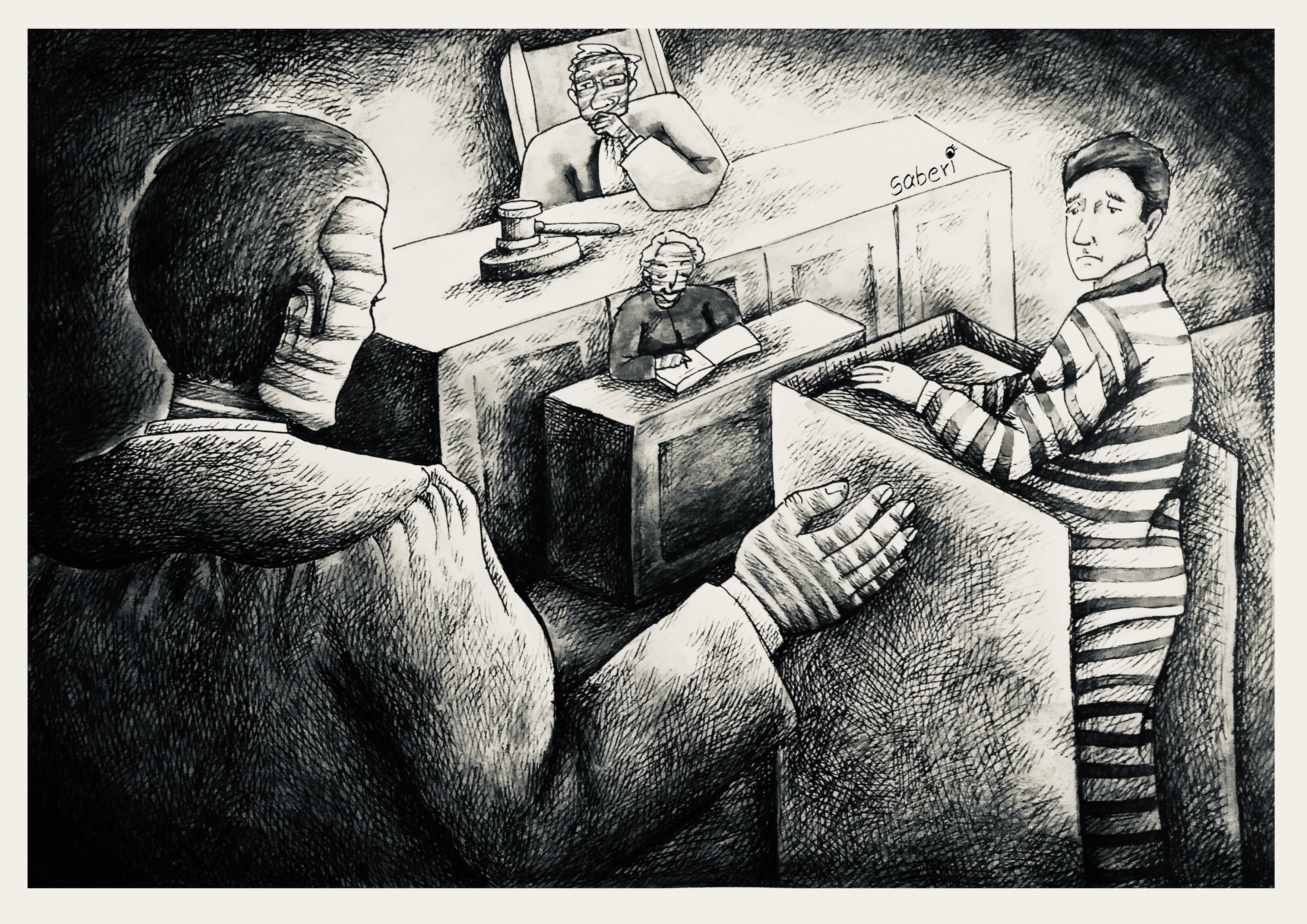
as well as the loneliness there is also the great possibility it will be rejected by the gate keepers and you come to realise that the thing you have spent minutes, hours, years on has been a total waste of time. that it is destined for a drawer somewhere to be forgotten about. rejected and somewhat less than it used to be when you finished the work.
and even if you are lucky enough to get your work published there are the critics. the reviewers. who will happily with little thought give it three stars.which is worse in many ways. at least with one star they really were engaged and thoroughly hated your work and five they loved it to the hilt. but three? its the star equivalent of beige.
and there is nothing we can do but continue with our art. we can but continue to peer like orpheus into hell and think about what we have lost. what we could have had. if only.
obsolete forms
let’s talk about art and the creation of art and what is art.
when people first wanted to record what they saw or happened they painted on the walls of caves with paints they created from things around them. it represented what they saw and did. then over time the technology improved. paper. canvases. but people continued to paint to show what they saw.
photography was invented and replaced painting as a technology for recording. painting became art. people used to record events on their cameras. people, places, things. until the rise of the movie camera which replaced the camera as a means to record events. so photography became art and movies became the way to record events. a new technology on the scene. this in its turn became superseded by computers. each new technology reducing the previous to art. the old technology became a means of expression. the representation of the idea.
and now we find ourselves with a new technology making redundant the old. AI. all before is reduced to art. obsolete technology the expression of art. text and image. but what of AI? some say that they create art using AI. they enter the commands and something is produced. they call it art. they claim creation. but is creation just merely the idea and the output?
when earlier artists created an artefact was it merely the output that was considered the art? the result of thought, experimentation, technique, the breaking of rules and the inventing of rules. does not the process also make the art. with AI there is no process. there is simply the input of the idea and the output. there is no experimentation with the materials, the developing of technique, the following of rules and the breaking of rules. that was all done by the artists whose work was scraped and stolen. there is no original technique and expression of process. the process is gone. bastardised. just idea and output.
am i being too hard on the AI creator? i think not. previous technologies that became art did not rely upon the stealing of the work of others. it is not an averaging of many different people’s thoughts, processes and ideas. and even when previous creators made art with dead technologies based on other creatives’ ideas they acknowledged the fact. they made reference to it. they did not claim it was solely their creation. they owned up to the great artists they were inspired by. AI artefacts make no such reference or admittance. they lie that they are original, something new. rather than an amalgamation of many creatives’ ideas.
if you want to be seen as a creator of art then engage with the process of art. take time to develop your skills. find your own voice. develop your own techniques. break the rules your way. develop your own new rules. don’t short cut and steal another’s work and claim it yours. you did not own the process. the work is not yours.