the death of the working class writer

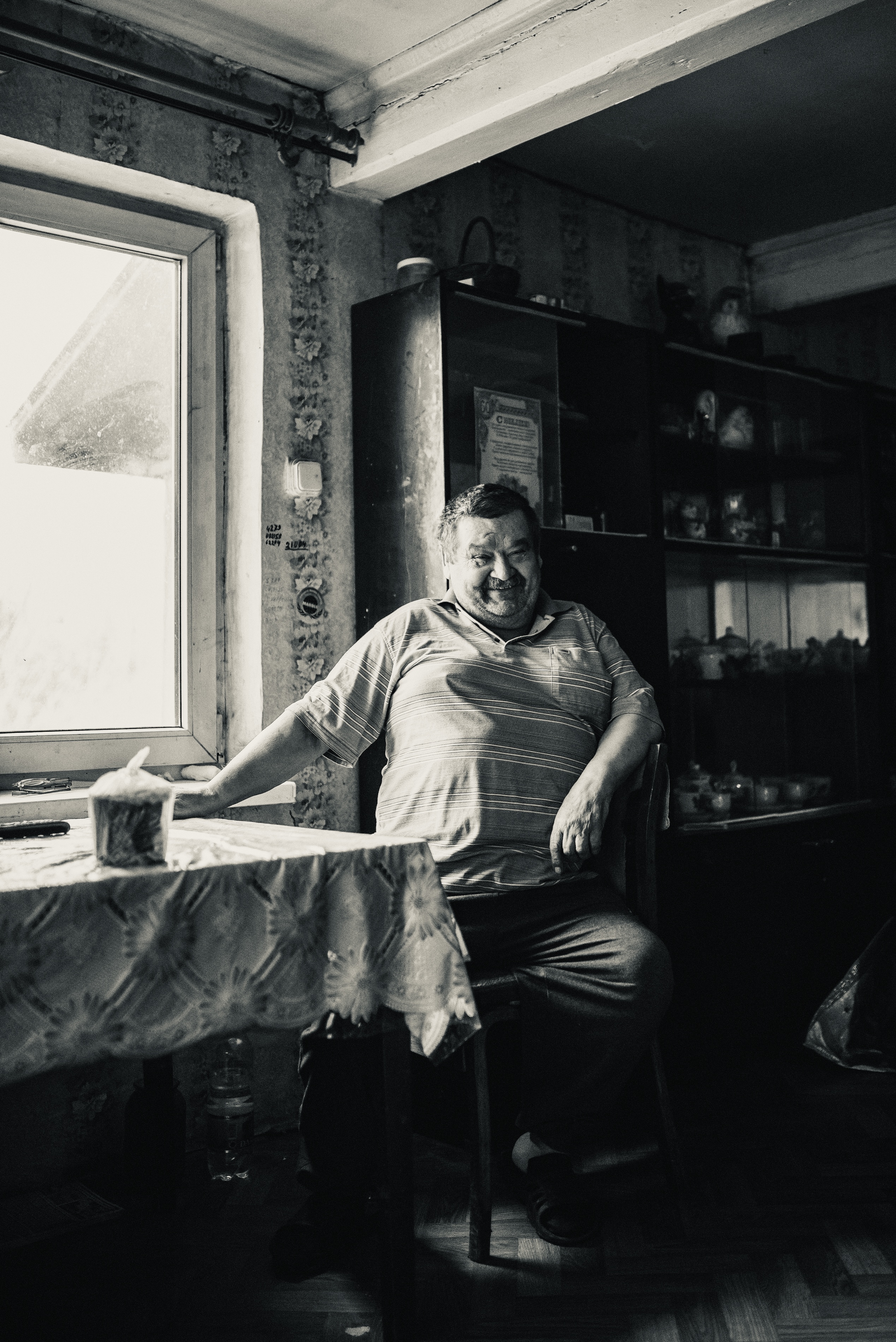
monochrome,image of man in short. sleeved shirt sitting in a kitchen with a drink on the table next to him

the educational section of the guardian is full of stories recently of universities cutting HE courses in multiple subjects. quite often the arts are hit leaving behind business studies, law, and the sciences. anything that might turn a profit according to government thinking. ignoring in its wisdom the large percentage of GDP that the creative industries give to the national economy.

but even if the arts course still exists at university and you are able to study creative writing there remains a steel barrier to the admittance of anyone from a working class background – student fees. the introduction of annual fees to pay for the tuition combined with maintenance costs discourages many from a working class background. how can you justify following a dream, a passion, when bills need to be paid and your family is in need of much needed cash? particularly in an industry where there is no guarantee of regular income.

even when there were no fees up front years ago when i went off to study there were still barriers. other students received weekly allowances from their parents and talked of foreign holidays over the summer. i focused on covering my £5 food bill each week and knew i would be working over the summer break.no holiday for me. i lived on vegetable stew, vegetable curry, porridge and peanut sandwiches. no hanging out in the student cafe for me. many students regularly skipped lectures and did other things. i couldn’t. i didn’t have the luxury of failing. i had to succeed to earn money.

even if the modern working class would be writer gets a degree or goes directly into the world of work there are other barriers awaiting them should they scrape enough time to be able to write and finish a book. they have to get the book published. in a 2016 paper from goldsmiths, dr david o’brien suggests that 10% writers are from a background where parents did routine or manual labour make up the overall number of writers. 12% of working class people worked in publishing.

chris mccrudden, a communication planner who dissects data stated: publishing is an upper-middle class industry whose output caters to upper-middle class tastes. so how is a working class writer going to get their worked published if this class of people are the gate keepers? how are the gate keepers going to relate to the experiences of someone with such a different background and worldview?

it has been noted that the uk publishing industry is the least socially diverse of all uk creative industries (guardian, kit de waal, feb 2018) with the sutton trust stating the number of creative and writing roles has roughly halved since 1970s. the ladder is being pulled up and the class ceiling grows thicker.

there seems to be little if any appetite amongst members of the government to address this issue. student debt continues to grow as the government looks to giving ai tech firms a free hand to ignore copyright safeguards thus diminishing the already regressive returns to the creatives.

only those from the wealthy backgrounds can afford to take on the student debt for a creative pursuit or help fund a would be novelist as they develop their craft and seek publication. even when published the returns are slim and additional financing is needed.

what can be done to give all creatives, particularly those from a working class background ground a leg up? ireland seems to be showing the way. a universal basic income for all creatives. early signs show this has resulted in greater financial returns than the money invested. it removes the financial worries from the writer in meeting bills and being able to afford food and frees them to focus on the creative project in hand. this can only lead to cultural enrichment for britain and a growing percentage of gdp in the creative industries. but we need a brave progressive government to take that step rather than one that follows a regressive well worn path.

writers in hell

Shadow of person on red wall

writers have had a long association with hell. when in ancient times orpheus descended hell to reclaim his love with poetry he knew what it was to write. he was famed for it and won back the soul of his love. but like many writers wasnt careful of the small print.

writers even today embark on a journey to hell. we willingly undertake writing a novel despite the hardships it may involve. the hours of loneliness in a room as you scribe away at your art. the lack of attention for your work from friends and family. they just aren’t as committed to the project you have spent years on. they may buy a copy under duress and let you know they are being supportive but whether they actually read the book is open to question.

as well as the loneliness there is also the great possibility it will be rejected by the gate keepers and you come to realise that the thing you have spent minutes, hours, years on has been a total waste of time. that it is destined for a drawer somewhere to be forgotten about. rejected and somewhat less than it used to be when you finished the work.

and even if you are lucky enough to get your work published there are the critics. the reviewers. who will happily with little thought give it three stars.which is worse in many ways. at least with one star they really were engaged and thoroughly hated your work and five they loved it to the hilt. but three? its the star equivalent of beige.

and there is nothing we can do but continue with our art. we can but continue to peer like orpheus into hell and think about what we have lost. what we could have had. if only.

30

Orange white and black cat

the cat sits on table and i in chair. the house is silent. not a sound. outside not a sound. not even a drunk on a phone swerving on route home. not a sound. silent. i sit in chair writing. gathering the thoughts of the day. now all is calm. a wine at hand. the voices have quietened. external.. internal.  now peace.. the room seems larger. bigger. full of. me. my thoughts. my moment. the quiet.  and me writing.  the light of the lamp casts shadows on the page. shadowing words. shadowing thoughts. moments. ideas. i pause to think.  to connect. recollect. and forget. a combination of desire, dream, and the movement of pen on paper. not sure where to go. being in shadow. once things were clear. clear as day. crisp in air. thought. but that moment has gone. so i sit in shadow. in the silence. with the lamp. cat on table. wine to hand.  the telly is on. but it does not speak. it too has succumbed to silence. the moment.  the hour. a flickering lamp. shadows dance.  then stop.  as my pen runs out of ink. and i am left in a moment in a silent room.

107

this is not about love. the way you walk into a room. filling it with light in a moment. words spoken to reassure. praise. warmth radiating from a word. a touch. no. this is not about love. the sweet moments together. exchanging glances across the room. laughing over a glass of wine. the touch of hands. the touch of lips. this is not about love. sweet caresses in the night. hot skin to touch. a warm embrace. silky. breath whispering. no. this is not about love. i’m not that sentimental.

moment 28

typewriter image. black and white.

he sat down typed a sentence then stopped. where another once followed there was nothing. just blank. not a thought. not a murmur. not a whisper. just nothing. he crossed the sentence out, moved the paper up. clean. blank. he typed a sentence, different this time. a start of a thought. but the thought remained hidden. elusive. he stopped. where another would follow there was nothing. he pulled the offending paper from the typewriter and tore it to pieces. he threw them about the room. they landed amongst others. he put a new sheet in the machine. stared at the page. once they had been friends. now they were enemies. an invisible barrier lay between them. a breath’s thickness but it was enough. perhaps today was the day. he stood up and made his way to the cellar. took a key off a nail and unlocked the gun cabinet. he took out the shotgun and two shells. he returned to the writing room. he lent the gun in the corner and placed the shells on the windowsill. upright. proud. he looked at them a moment and sat down. he rubbed the scar on his brow. perhaps today. he typed a sentence. a thought. a moment. and waited.

moment 27

big red stood in the yard. broad shouldered and tall. taller than most there. he could easily carry more than a hundred. once. now, not so sure. time had transformed him. no longer days wandering the streets of the city, saying hello to new folk. folk local to the place and visitors from far off lands he would never see. tales of gleaming buildings, monorails and cars that walked themselves. tales of streets filled with people, almost unable to move, fighting to get home. home to their small boxes with small rooms and small children. in his city not so busy. instead narrow roads, grime-covered bricks, litter dancing on pavements, and sleeping drunks at bus stops. most were nice to him, grateful of his help, happy he was there. others swore at him, hit him as he passed or scrawled obscenities on him as he slept. no, he was old and travelled the city streets no more. instead, he sat in the yard, changed. some days were good. people would come to him, get a drink at a table in sun, or study vibrant art. other times, laughter filled the air. they sat on him listening, waiting for the punchline to come. and the lonely times, he would just sit there, in the yard, in the dark, waiting for day to break. waiting for the company of people. he did not mind his end times. there was nothing he could do. but sit. wait. big red.

a psychogeography of turnpike lane

in the summer of 2023, during the haringey arts festival, i got involved with a writing project. the idea was to map the psychological reaction to local area in turnpike lane, london through pieces of poetry and prose. we spent an afternoon exploring and writing about the local area.

writers ventured out. made notes. then sat and scribbled a piece or pieces of writing. what resulted was a collection of work that spoke of different roads, shops, buildings, or journeys.

after some editing and compiling by clever people, a book was born. some abstract illustrations were added to accompany the work, and a year late the book was launched in london.

i attended a launch in the all good bookshop which is right in the heart of turnpike lane. extracts were read, discussion took place, plans were made, and whiskey dunk.

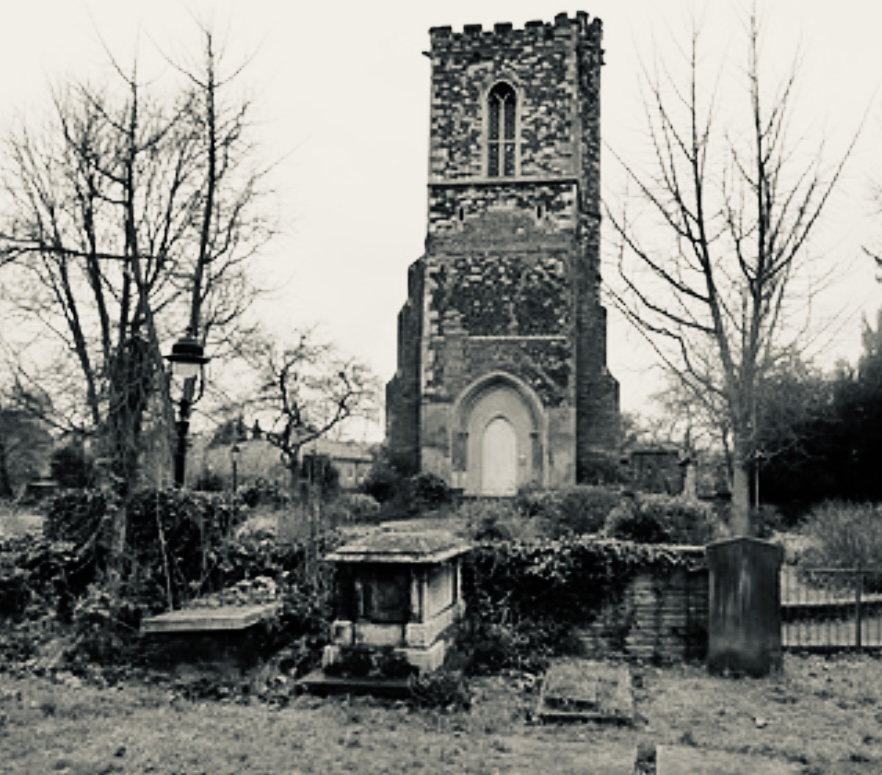
friday 20th september sees us at the magnificent st mary’s tower in hornsey to promote the book. it promises to an atmospheric evening of celebration, laughter, and possibly intrigue.

new york

a guy plays sax for coin on the corner of 6th avenue and 55 street. mechanical rabbits and cats dance to the beat. a few walkers tap their feet to the rhythm, sway to the sound. but give no dime. they’re too busy waiting to cross. pass the manhole covers venting steam in the 31 heat. they cross. on their way to meet. sit in a bar. sip a cool beer.
outside barnes & noble on 5th avenue a grey old man sleeps. head on a box. slumbered. he holds a sign in one hand. black marker pen: please help i am homeless, oh god save us all, oh god save us all. he makes no dollar. he doesn’t notice.
the street sellers set up their plastic crates with goods for the night crowds. genuine rolexes and gucci bags for a ten. they give their patter to the tourists. everything is for sale. even souls.
the queue builds outside the rock. the red carpet awaits. cool efficiency bundles the bodies in for a view like no other. come enjoy the ride. sorry the tops closed. lightning expected.
the wise seek shelter in the air-cooled diner. iced lattes and milk shakes with candy floss. all day breakfast. delivered with a smile. they work hard for their tip. the manager smiles.
in dillon’s the locals drink ice-cool beer and watch the sports on the many screens. how we doing in paris? there is the crack of the pool table as the screen light gleams off the copper jars hanging from the ceiling.
in the bar of the renwick hotel loud music plays. you have to sell a kidney to pay for a beer. they take your money with a smile. a drunk new yorker tells you about his wall street deals and visit to london. he’s scathing of both. but it is no better here.
the strand bookstore. the lost wander the shelves looking for loved ones. they find them hardbound. there is the smell of coffee by the graphic novels and teenage girls browse the romance novels. not that one – my mum would kill me!
lafayette is a place of chilled wine and flaky pastry. pistachio cream filled croissants are devoured eagerly as talk turns to the best shops for sneakers. have you tried macy’s?
in the white horse tavern in west village tourists drink cocktails and tell stories of dylan thomas. you can’t help thinking the place was better then.
empty boutique stores in greenwich village display designer goods without the price tag. no one goes in. the locals instead walk their dogs and talk of the best place to get coffee.
in washington square the young play for the crowds. street sellers have handcrafted trinkets. you can play chess for a fee. a bare chested man practices his dance moves. too vigorous. his shorts fall down. unperturbed. he dances on.
times square you get bundles by mickey and his friend mickey. with mickey. their mouse features are fixed grinned. menacing. the screens pop ads encouraging you to spend. come on! embrace the american dream.

moment 26

a trail followed. sooty prints from fireplace to rug to telly. a story to be discovered. a wire severed. the cry of a child. teddy with arm detached. violently. trainers chewed. unblemished white blemished. a dirt trail on a duvet. a monkey ripped asunder. the karate dog safely hidden. relief as other teddy remains safe in upper room. a disaster adverted. in the shower, a single clue to visitors. an unpleasant sight. dark and wet. the foxy culprit long since gone.

hemingway

i first came across hemingway when doing a course on writing at citylit, london. if you don’t know citylit, it’s an adult learning college locate near holborn tube. that big long road that winds it way down pass theatres and hotels to waterloo bridge and the south bank. citylit runs many creative courses and i heard good things about its writing courses and heard they were doable if on a budget. i’m always on a budget.

the courses are often taught by stabilised writers. this one was taught by scott bradfield. we were often set things to read. and he set us the short story ‘hills like white elephants’ to read. i read it. read it again. it was like a revelation to me. here was a writer cutting out loads of description, reams of adjectives and adverbs, to pare back the story to its essence. the writing was like a fresh of air. a chill winter wind that wakes you from a night of over indulgence. it was like hemingway was giving me permission to do something. something i had long thought.

i had studied literature as part of my ba. a diet of hardy, dh lawrence, and george eliot (oh god, george eliot). they loved their long winding descriptions where a hundred words were better than five. long rolling descriptions of the scenery. adjective upon adjective that wound their way across the pages before a character did something. followed by exposition. how they loved exposition.

i followed this by teaching primary and mainly reading children’s literature. children’s literature loved an adverb and adjective. not forgetting a liberal use of simile and as many words for ‘said’ you could think of. so did the national curriculum. this is what they decided good writing consisted of. no hemingway style for them. you had to use lots of adverbs and adjectives to tick the boxes. not forgetting the whole range of punctuation.

it is not surprising then that this is what i thought writing was. had to be. i had been fed a diet of word types. all the word types. used liberally and often. yet i was not satisfied. why did we have to mention all the senses? in every description? surely, you should focus on the important ones for that scene? and did we really need long passages of description to describe a setting whilst the character was left in limbo? doing nothing. waiting for us to finish. my thinking was we should treat the setting as a character. and f important to the plot. then we spent time on it. but if passing through. was there a need? i began to have doubts over the way writing was taught and the way i wrote.

so reading hemingway gave me approval of my ideas. to leave the adverbs behind. use adjectives sparingly. use five words instead of a hundred. cut writing to the bone. to the essential. to what i considered important. gone were adverbs. i went further. reducing articles. conjunctives. pairing back the range of punctuation. the length of a sentence. reducing the sentence to its minimum. to the minimal point at which it could still be understood.

my prose-poetry is a concentrated version of that. my short stories and the novel i’m working on. less so. grammarly would have a system failure reading those. and i continue to experiment. wonder how further i should push it. the results are here on this website. see what you think.

the photo? the significance of the photo? that’s me in a bar in barcelona that hemingway was meant to frequent. it was meant to have changed little since his time. unlike the bar. i think hemingway has changed writing forever.