sometimes

sometimes you are gripped with imposter syndrome and the feeling you are wasting your time in the futile gesture of putting words to a page in the hope that someday you will be happy with it that it was all worthwhile the evenings of doubt frustration regret hope the unending feeling that you are so close that it is just over there that knots your stomach at night as you try to sleep but your mind won’t rest as it is full of nagging questions about the viability of the project you are working on whether it was all just a foolhardy endeavour in the first place that you rushed in not heeding the warnings that you were overreaching you should try something simpler a haiku maybe no a single sentence start there but you foolish you decided to rush straight in and try and write a novel again with characters not fully formed just going through the paces in unformed scenes like shadows in an early 80’s video game with all line drawings and the only colour is green and you don’;t even like that so you are left with the realisation that your story is missing a big something a great big something and you are a failure you’ve let yourself down and the people you told you were writing a novel and ask how the progress is going but they have now learnt not to ask anymore as the answer is always the same it’s coming along slowly so you are lying there fretting about the blank page in your book that needs words and exhausted your eyes droop then close but just before they close the idea the solution pops in and you write it down on the page by your bed satisfied that the solution has been found you can rest easy now so you sleep happy only to wake the next day and look at that paper and wonder what the fuck that word means and you are right back where you were the day before with mr imposter syndrome.

anyway. it is sometimes good to remind ourselves why we got into this writing malarkey anyway. the best way i find for me is to pick up a book by a writer i like and read their words and be transported and enjoy the sensation of being carried somewhere and then i remember it is making others feel this way through my work is why i do it. the smiles on faces. the appreciative words. the collective joy. that’s why i do it.

in praise of the futile

a lot of my time recently has revolved around the issue of copyright and ai. if you’re wondering, i’m against allowing big tech to scrape the work of creatives to train ai without permission. it is theft plain and simple.

there are some who confuse having an idea with creativity. they mistakingly think it is the idea that trumps all. they disregard that creativity is a process. it is the process of flinging an idea into the open, developing it, refining it, abandoning parts, developing others. it is not the click of a button to generate a text or image or song. there is no human process there.

ai will never become creativity or be creative. ai solely seeks a quick fix profit. there will always be a profit margin for ai generated ideas. it will never explore the futile. the time spent on a creation that may not go anywhere. may not sell. is created just for the process and the act of creation. where there is no profit.

humans do not just create for profit. they create to experience a fuller understanding of their imaginative soul. to explore the connection between the sub-conscious and conscious. to play between the cracks. a flick of a button denies that. denies the fulfilment of the creative soul. the human needs to do the futile. to do something just because. it is what leads to advances and revelation. not the regurgitation of what has been.

embrace your futile self while you can. demand the right to be futile. to create without success or reward. to be human.

paper vomit

i always struggle with writing. i battle to put words on the page. splatter them on the whiteness. i guess it’s the combination of anxiety and the need for perfection. i worry if the words are not perfect. i physically need them to be perfect. heart beating. mind racing. hands tense.

if they’re not perfect i can’t move on. i can’t write another word. all i can think about is the imperfection. there is something wrong and i need to fix it. even if i can’t identify the flaw there is something that knows it is there. that it requires refining. tearing up and doing again. a single thousand word chapter can take me anything from two weeks to three months. before exhausted by the battle i move on. slow. glancing back at the previous words. the ugly.

i know the first draft is meant to be vomit on the page. i have read it said by wiser and more successful writers than i. just get it down. the edit will fix it. it is what the edit is for. the redraft. the first draft is just for getting the story down. it is only when it is finished you know what your story is really about. where to go next.

i guess it stems from childhood this affliction. my schooling. being told to get my story done ready to present to the teacher and the red pen. it had be perfect first time. we only had one shot at it. later, the schools recognise some redrafting had to be done. so it became a pattern of first draft, edit, final draft. but still that wasn’t enough time. the teacher still had a red pen. and there still were flaws. cracks in the works. why didn’t they allow more time?

i think it was to be kind to us. not to delusion us. writing is bloody hard. it takes hours of toil in a room with a blank page. battling to choose the right words. craft the story. create realistic characters that really speak. not recite. hour upon hour spent on getting it right. only for it to be finally ignored. left unread by our intended audience. who would let children see that? experience that? better to leave them with the dream that putting words to a page was possible by all. without that lie where would our writers come from?

the trouble with tinkering

maybe it started with the sink. we used to have plugs and chains. it was a simple and effective system. you would put the rubber plug in the sink hole. fill the sink with water job done. then a bright spark got to tinkering. what if instead of a plug you had something you could turn and the plug would go down and block the hole? no. not good enough. what about if the plug was just a push and pop up? you just push down on the plug then fill the basin. marvellous. life is simpler.
except…
you now have to replace the whole sink if the plug stops working. just replace the plug. don’t be daft. it’s a more complicated system. what? you used to just get a new plug and chain? oh. that was the old days. things are better now.

or there is the tap. the tap starts dripping. you need a new washer. except that isn’t the solution anymore. you can’t just buy a new washer and stop the dripping. not now. not now with these new taps. we’ve been tinkering. you now have to buy a whole new tap unit if it starts to drip. nothing for it. it’s all inbuilt you see.

that website you like. the one easy to use where you can find everything you like? well, we’ve made a few improvements. we’ve added a pop up help system so you don’t have to look for help. it will pop up every few minutes to remind you we’re there to help. and we’ve tinkered with the menu. we’ve made some features that used to be optional add ons. you now have to pay for them but they are new and improved. better.

that’s the problem with tinkering. it’s infectious.you’ve finished your first draft and edits. and you get to wondering. what if i just add a little bit to the scene here. that will improve. it. oh. now i have a plot hole. i’ll just fix that with adding a bit about the character here. oh. now that character’s actions don’t make sense. i’ll add a new piece about them here. oh. a new plot hole. i just…

don’t tinker. if it works leave it. don’t be tempted. not everything added is an improvement. sometimes things are best left as they are.

moment 28

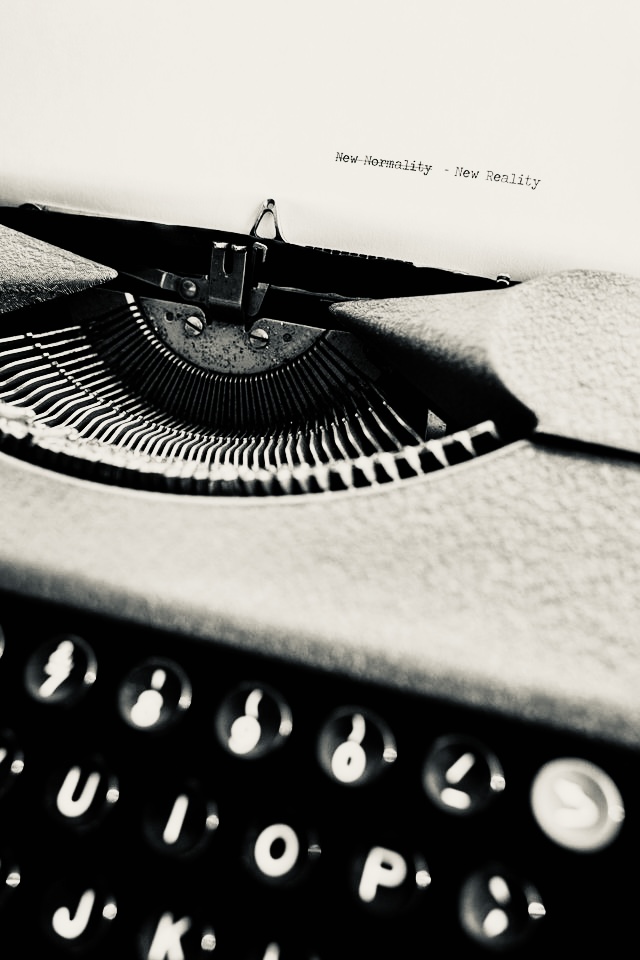
typewriter image. black and white.

he sat down typed a sentence then stopped. where another once followed there was nothing. just blank. not a thought. not a murmur. not a whisper. just nothing. he crossed the sentence out, moved the paper up. clean. blank. he typed a sentence, different this time. a start of a thought. but the thought remained hidden. elusive. he stopped. where another would follow there was nothing. he pulled the offending paper from the typewriter and tore it to pieces. he threw them about the room. they landed amongst others. he put a new sheet in the machine. stared at the page. once they had been friends. now they were enemies. an invisible barrier lay between them. a breath’s thickness but it was enough. perhaps today was the day. he stood up and made his way to the cellar. took a key off a nail and unlocked the gun cabinet. he took out the shotgun and two shells. he returned to the writing room. he lent the gun in the corner and placed the shells on the windowsill. upright. proud. he looked at them a moment and sat down. he rubbed the scar on his brow. perhaps today. he typed a sentence. a thought. a moment. and waited.

moment 27

big red stood in the yard. broad shouldered and tall. taller than most there. he could easily carry more than a hundred. once. now, not so sure. time had transformed him. no longer days wandering the streets of the city, saying hello to new folk. folk local to the place and visitors from far off lands he would never see. tales of gleaming buildings, monorails and cars that walked themselves. tales of streets filled with people, almost unable to move, fighting to get home. home to their small boxes with small rooms and small children. in his city not so busy. instead narrow roads, grime-covered bricks, litter dancing on pavements, and sleeping drunks at bus stops. most were nice to him, grateful of his help, happy he was there. others swore at him, hit him as he passed or scrawled obscenities on him as he slept. no, he was old and travelled the city streets no more. instead, he sat in the yard, changed. some days were good. people would come to him, get a drink at a table in sun, or study vibrant art. other times, laughter filled the air. they sat on him listening, waiting for the punchline to come. and the lonely times, he would just sit there, in the yard, in the dark, waiting for day to break. waiting for the company of people. he did not mind his end times. there was nothing he could do. but sit. wait. big red.

ants

according to Google: the common ant you find in british gardens weighs one milligram.

it is a warm summer’s day in june. about 23 degrees. and i lie on the grass in my garden. the sun beats down on my back and legs. i have a black t-shirt on and black jeans. not really summer wear but being a folk who has many a mole this is how i tackle summer and avoid skin cancer. it is hot. even the birds have given up.

i soak up the sun like a lizard. feeling it pour into me. warming every part. i am being slowly baked by heat. delicious heat. as i drift between consciousness and a semi-dream state.

i open my eyes and study the grass before me. it’s several shades of green. lime. jade. olive. pickle. brown in patches. recently cut. it sports a neat trim that is not quite maintained when it reaches the flower borders. there are a few tufts springing up there. the places i didn’t quite cut with the mower. it is not the neatest of jobs but i decide to not let it guilt me. better to be lying in the sun.

my eye is caught by a movement in the grass. it is small but i still catch it. the movement of a cut sliver of green. an ant crossing the jungle of the lawn. crawling between each blade as it makes its way somewhere. i wonder how many ants there are there at that precise moment crawling through the grass. all on an errand to somewhere. perhaps they carry an urgent message. the sighting of a delicious sugary treat in someone’s house. just waiting to be exploited by the right colony of ants. the thought of so many ants crawling around me gives me the creeps. i bring my thumb down and squash the ant in front of me.

i always hated ants. the days before i knew better. when i would unwisely sit near a nest playing. then i would find them crawling on me. tickling my skin. making their way over my legs. i would scream. jump up. frantically bat at my body. try to get them off me. i would run. into the house. screaming. throwing my clothes off. my parents would come running. wondering what the matter was. they would find me. in the shower. hot water flowing over me. cleansing me of my hidden enemy.

i would enact my revenge on the ants. not by pouring hot water over the nest. no. that was too quick. too kind. i would get my lego. build upon a green base piece. a maze of walls with chambers. an entrance in. an exit out. add obstacles to overcome. twigs. leaves. sand. lego dots. then i would catch an ant. place it in the centre of the maze. add one or two more.

i would watch fascinated as they tried to make their way round. over the twigs. through the sand. under the lego dots. one would try to climb the walls. i would knock it back down. it soon learnt that way was futile.

the unfortunate ones would enter the torture rooms. the chambers where a splash of water would fall down. or a cascade of dirt or stones. the really unfortunate would enter the chamber where the brick came. crushing. squashing them. complete.

those that made it out of the maze got special treatment. they would be lifted high between my fingers. and placed upon alone lego brick. hot sun burning down through a magnifying glass. cooking and curling their form. a worthy sacrifice to an unseen god on a plastic alter.

the sun beats down. i lie watching the grass before me. there is another movement. two movements. near each other. two ants this time. making their way across the jungle lawn. are they friends? buddies on a little adventure. did they spend time in their colony of an evening discussing how their day had been? stories of the number of sweet foods found? i bring my thumb down. squash them. fucking ants.

the sun beats down. my lips are parched. but i’m too drowsy to move. i’m enjoying my spot on the grass too much. better to lie here. laying in the heat. i don’t want to move. just to enjoy the warmth on my back. the moment. more movement in the grass. four ants this time.

there was a time when i visited a forest with my parents. a sunday country walk. meant to get us kids away from the tv and invigorate the soul. or some shit like that. ahead of the others. i was clambering down a mud bank. dried earth baked in the sun. brown pine needles littering the earth. down on my back i went. slipping and sliding to the bottom. falling on my arse. i sat there a moment. not realising. not realising i was sat on a group of ants. big fuckers. bigger than the ones we got in our back garden. red and black bodies. shiny like berries. and they bit. oh, how they bit. i screamed and panicked. leapt up away from the ground. brushing frantically at my legs. my feet, they bit more. i don’t know how long i was there screaming and scraping away at my legs with my nails. red raw skin. before my parents came running. consoling. they brushed away the pain. i hated forests after that.

the four ants move across the grass. they are heading my way. i bring my thumb down. the executioner. squashing each one by one.

‘fuck you ants!’ i yell as i kill the last of them. ‘fuck you and all the ants!’

the grass turns to stillness. quiet. tired by the exertion in the sun my eyes droop. close. darkness.

it was the moving sensation that woke me. the sense of bobbing along. like moving on a gentle wave. floating.

i try to open my eyes. but i can’t.

i try to move my hands. but i can’t.

my legs. can’t.

i am bobbing somewhere. moving. being carried by something. i try not to panic. in the blackness. i can feel movement over me. small. tickling. out of reach. it makes me want to scream. but i can’t. my lips are held tight shut.

i try to focus my strength. focus my strength all into my right arm. centre it there. then a sudden movement. a pull. i pull my arm free. claw at my eyes. i can see. i wish i couldn’t.

they don’t fight back. they don’t cover my eyes again. maybe it was a sort of punishment. a way of letting me see the full horror of my situation. my arm is pulled back firmly. i can’t resist.

there are hundreds of them. thousands. thousand upon thousand of small black ants. small black bodies. crawling. moving. on top of me. under me. a thick living blanket of black bodies. constantly on the move. they are all over my mouth. in my ears. around my eyes. i piss myself.

we are in the sun. but are heading somewhere. purposeful. determined. i can’t turn my head to see. all i can see is the sky. crisp white clouds. ocean blue sky of a summer’s day. the ants. then darkness. we have entered somewhere. a tunnel of sorts. it feels as if i’m heading downwards. there is the feint smell of vinegar. we are dipping. along the tunnel. deep. deeper. it seems to be getting warmer the further we go.

i sense movement around me. in the heat. the darkness. and a feint hum. low. on the edges of sound. all around. it is increasing. as we go deeper. like the hum of an old television set when you turn it on. warm. hum. darkness.

then we stop moving. bobbing. downwards. and i feel them turning me. there is light here. i sense a presence. something powerful. i don’t want them to turn me. to see. the hum fills my head. my skull. pressing. my black captors release me. disappear in the dim light. my eyes get accustomed. then i see. and i scream.

the chamber is hot. stuffy. stifling. it stinks of vinegar. strong. overpowering. it stings my eyes. i blink to see. above me. towering over me. in this large chamber. is a huge figure. six limbed. thick as trunks. hairs like thorns. head the size of a small black car. mandibles opening and closing. giant shears that could snap an arm in two. a beast as tall as a house. a giant ant. the god ant. the humming intensifies. painful. and i know it comes from the god ant. it fills my head. i understand it. what it is saying. and it terrifies me.

the common ant you find in british gardens weighs one milligram.

london

london has been the inspiration for my writing since i moved here over 25 years ago. from the outside you might think is a humongous whole on crossing the river thames like some great up turned turtle flailing it’s legs. or you might think it is just a large discarded black bin bag discarded carelessly across a stream. both would be somewhat true but inaccurate. fairer to say that london is a collection of towns, neighbourhoods, connected by the web that is the london underground system.
it is known for certain people to rarely leave their particular neighbourhood. to never venture much further than their local high street and corner shops. after all, what need for the centre of the city when you can find what you need on your doorstep? i have known children to have only for the first time to have experienced other polaris of the city, the tube, when taken on school trips with their schools. otherwise their familys stay put.
and who can blame them when you consider the city of london itself, the centre core, is made up of towering office buildings and bars and stores that close over the weekend. what to entice the venturous then? particularly when you factor in the increase in prices should you enter there.`
yet central has much to offer. numerous museums and galleries where you can seek inspiration for a tale. cafes where you can watch the world go by whilst surrounded by works from the past. hidden lanes that lead you to a bygone age of mystery with a pint in a boozer at the end where the decor and clients haven’t changed in years.
then outside of central you have the neighbourhoods. often referred to by their stop on the tube line. in the south: brixton and its caribbean roots gradually gentrifying with the influx of the thirty-somethings in search of their first homes. in the west: richmond where the money lives with leafy parks and pubs upon the thames. in the east: barking with sprawling council estates and descendants of the working class made good. in the north: haringey, the home of protest, upheaval. these are just some places but there are many more and everywhere, the wealthy rub shoulders with the poor divided by the post code they choose to live in.
with such variety and diversity in a living museum of culture, who could not get inspired to write? how could it not play a key role in the work im producing?

moment 26

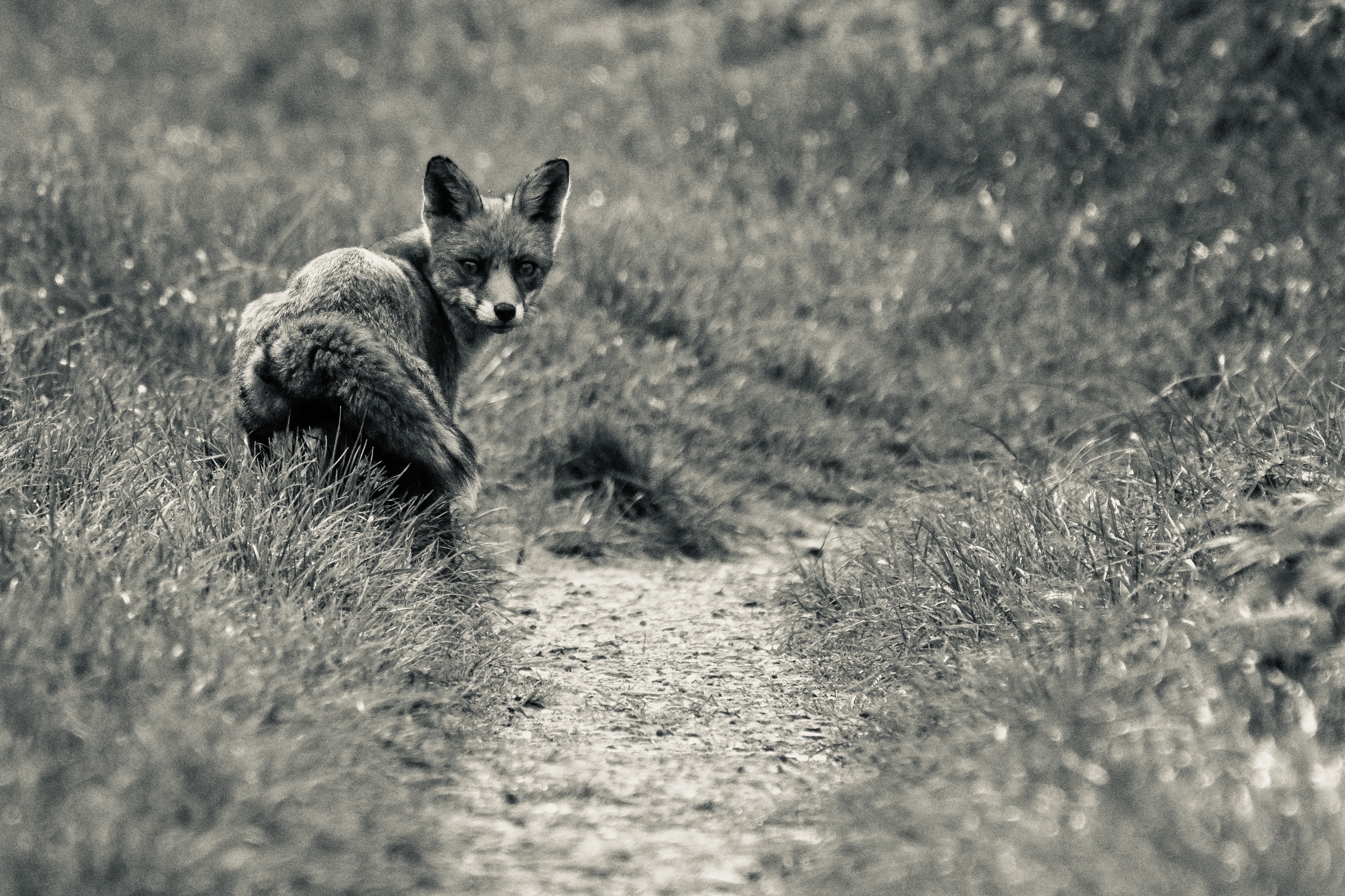
a trail followed. sooty prints from fireplace to rug to telly. a story to be discovered. a wire severed. the cry of a child. teddy with arm detached. violently. trainers chewed. unblemished white blemished. a dirt trail on a duvet. a monkey ripped asunder. the karate dog safely hidden. relief as other teddy remains safe in upper room. a disaster adverted. in the shower, a single clue to visitors. an unpleasant sight. dark and wet. the foxy culprit long since gone.

hemingway

i first came across hemingway when doing a course on writing at citylit, london. if you don’t know citylit, it’s an adult learning college locate near holborn tube. that big long road that winds it way down pass theatres and hotels to waterloo bridge and the south bank. citylit runs many creative courses and i heard good things about its writing courses and heard they were doable if on a budget. i’m always on a budget.

the courses are often taught by stabilised writers. this one was taught by scott bradfield. we were often set things to read. and he set us the short story ‘hills like white elephants’ to read. i read it. read it again. it was like a revelation to me. here was a writer cutting out loads of description, reams of adjectives and adverbs, to pare back the story to its essence. the writing was like a fresh of air. a chill winter wind that wakes you from a night of over indulgence. it was like hemingway was giving me permission to do something. something i had long thought.

i had studied literature as part of my ba. a diet of hardy, dh lawrence, and george eliot (oh god, george eliot). they loved their long winding descriptions where a hundred words were better than five. long rolling descriptions of the scenery. adjective upon adjective that wound their way across the pages before a character did something. followed by exposition. how they loved exposition.

i followed this by teaching primary and mainly reading children’s literature. children’s literature loved an adverb and adjective. not forgetting a liberal use of simile and as many words for ‘said’ you could think of. so did the national curriculum. this is what they decided good writing consisted of. no hemingway style for them. you had to use lots of adverbs and adjectives to tick the boxes. not forgetting the whole range of punctuation.

it is not surprising then that this is what i thought writing was. had to be. i had been fed a diet of word types. all the word types. used liberally and often. yet i was not satisfied. why did we have to mention all the senses? in every description? surely, you should focus on the important ones for that scene? and did we really need long passages of description to describe a setting whilst the character was left in limbo? doing nothing. waiting for us to finish. my thinking was we should treat the setting as a character. and f important to the plot. then we spent time on it. but if passing through. was there a need? i began to have doubts over the way writing was taught and the way i wrote.

so reading hemingway gave me approval of my ideas. to leave the adverbs behind. use adjectives sparingly. use five words instead of a hundred. cut writing to the bone. to the essential. to what i considered important. gone were adverbs. i went further. reducing articles. conjunctives. pairing back the range of punctuation. the length of a sentence. reducing the sentence to its minimum. to the minimal point at which it could still be understood.

my prose-poetry is a concentrated version of that. my short stories and the novel i’m working on. less so. grammarly would have a system failure reading those. and i continue to experiment. wonder how further i should push it. the results are here on this website. see what you think.

the photo? the significance of the photo? that’s me in a bar in barcelona that hemingway was meant to frequent. it was meant to have changed little since his time. unlike the bar. i think hemingway has changed writing forever.