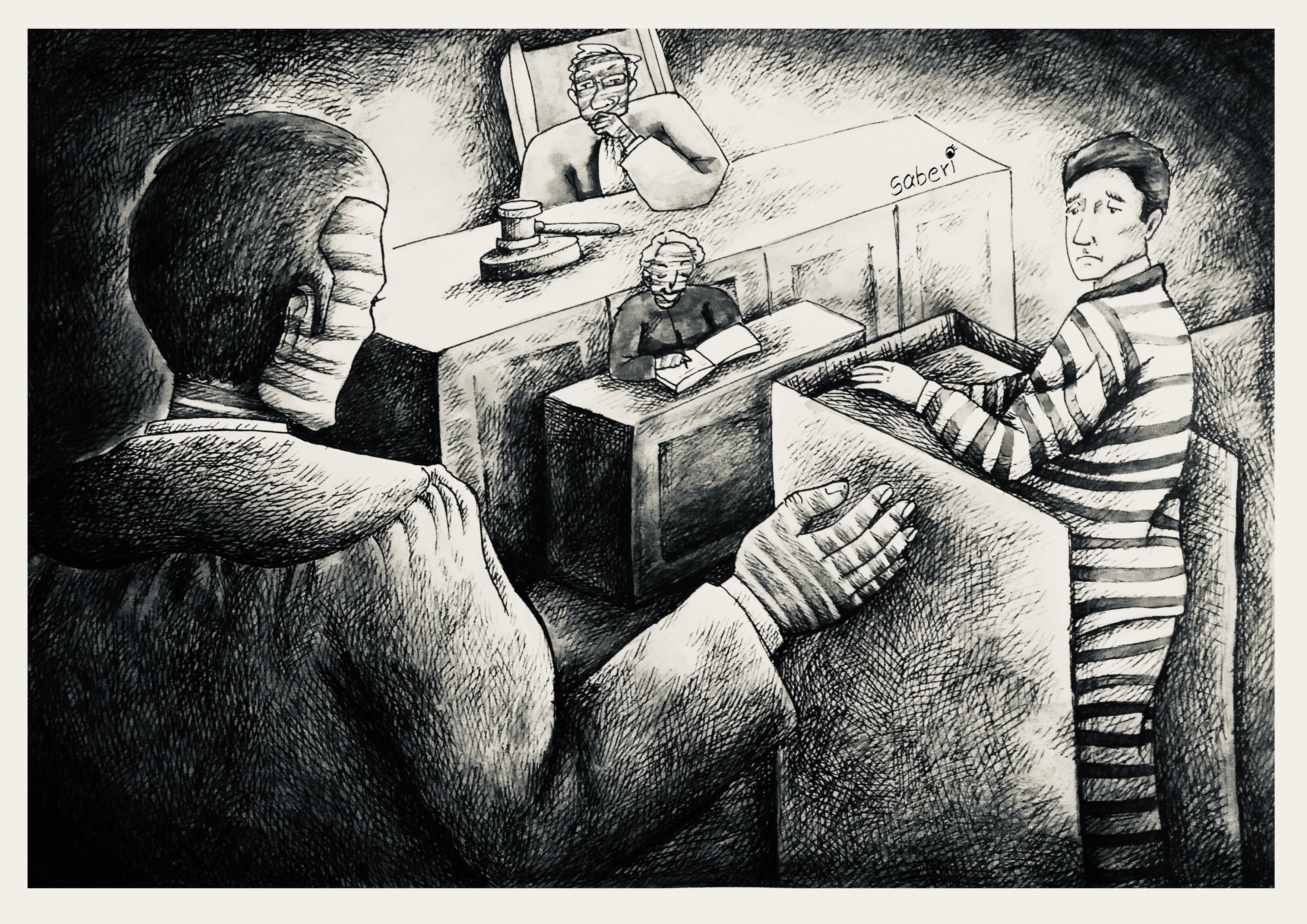
guilty

i have a confession to make. it is something i’ve been keeping hidden for a long time. something secret that i only do in the small hours of an evening. when the shadows crawl in across the floor of the room and my family are in their beds asleep. it is something to be done in the near dark.

i got dragged in out of curiosity. i had heard a lot about it and my interest was aroused. my feelings towards it were animosity. it was something we could all do without. something dangerous. something world destroying. career destroying. but my interest was piqued. i wanted to see. see what the fuss was about. then leave it alone. that’s how it got me.

it was late at night. house silent. me alone downstairs. i admit i had a few glasses of wine. maybe that was the cause. and the ipad was on. so i guess i’m saying it was inevitable. not my fault. it was going to happen sometime. it happened then.

i went into google. google ai. and i typed: tell me about the writer slam fitzsimons. i was expecting nothing. or a sentence at best. i was shocked and pleased at the same time by what it found. paragraph and paragraph about me as a writer appeared. i was amazed. it said nice things about my writing style and my work. i couldn’t even get my family to do that. i existed as a writer. those hours i had spent writing short stories, novels, prose-poems, and performing spoken word were noticed. i existed. i existed on the internet and i would not be forgotten. there would be an ai somewhere that remembered me. the world might remember me. i hadn’t wasted my time in the corner of pubs and cafes scribbling. scribbling something no one would read. it would exist as a summary somewhere.

i took a sip of wine. a sip of wine to drown my guilt. the guilt of emptying a lake somewhere of water and an electricity grid of power to find out if i existed. i was reassured. i could now leave it alone. couldn’t i?
ai and writers

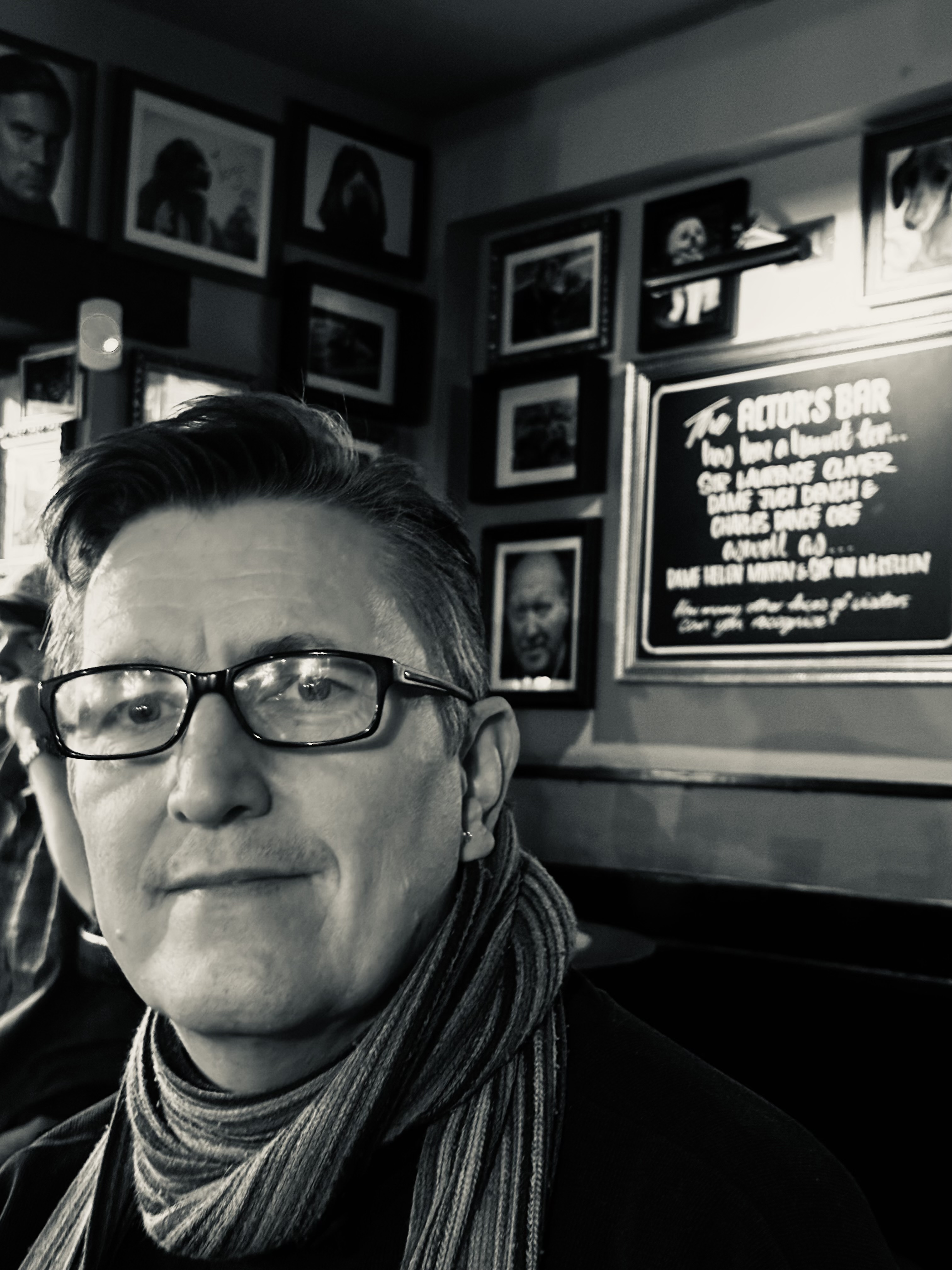
writer SLAM Fitzsimons in actor’s bar, Dirty Duck, Stratford-upon-Avon

there was the recent furore around the novel ‘Shy Girl’ by mia ballard whose book was dropped by hachette after accusations of using AI in the writing of the novel. this lead to outrage pieces on both sides of the AI argument. some were saying that it was a betrayal of the publisher and readership and she should have been upfront about it before submitting. others say it shouldn’t be an issue. the story was her idea and besides we won’t be able to escape ai written books soon. we might as well embrace the technology. it is here to stay.

i tend to be on the side of keeping ai out of the writing process. that just because you came up with an idea and fed it through an algorithm does not make you a writer. writing is a process you have to go through. it is not idea then product. however this position leads to a complexity. where do we draw the line.

do i have to announce if i use the review tool in word. if i get word to check my spelling and grammar am i no longer a writer for using such a technology. should i not instead invest in a copy of a dictionary and a roget’s thesaurus? should i not painstakingly turn the pages of those books to check each word in my novel? or is such use allowed?

i would tend to allow the review tool because the ultimate decision making still lies with the writer. they have to agree or disagree with the spelling suggestions or offers of alternate words. they are still involved in the process of the writing. each word previously was written by the writer prior to using the tool. but i would draw the line after that. no more ai or tech intervention allowed in the writing process. formatting is down to you. the decision to send to an agent or editor yours. ai should definitely not be rewriting paragraphs of your work. it is to be avoided. besides it will take the liveliness out of your writing and turn it beige. all will become standard generic phrasing. the idiosyncrasies of the writer’s voice and style will be lost. rounded. smoothed down. we need the jagged edges.

so let’s all promise to be imperfect. to continue to write in an imperfect way. to produce work that was the best we could make it at the time. lets leave the jagged edges in.