divided worlds

there is separation that exists in all writing. the writer knows it is there. tries to ignore. pretend it doesn’t exist never existed shouldn’t exist must not exist does not deserve to exist but nevertheless persists in its existence. it hangs there. on the edge. like a small snag of fingernail that catches on a jumper as you pull it on and with a sudden sharp pain makes you aware.

a writer sets out when writing a piece in a belief a commitment a fallacy that what they imagine to be what they can imagine to be will come to be. will exist. once they have put pen to paper. drafted. edited. rewritten. checked. line-edited. drafted again. but it is not there. the thing they imagined does not exist. their writing cannot not create it. even if they were to train a million apes brought up on shakespeare how to type and gave them their work to work on for a million years the problem wouldn’t be solved. the final draft would exist but be lacking. would have a distance between the imagined and the reality of the word.

this distance is what writers have to live with. each time they put pen to page. make their plans. start to write. they know they will not achieve the story they set out to do. that there will be a piece lacking. a slither where their skill was just not enough. but they lie to themselves that this time it will be different this time they will be better and sometimes they are and this time they will put their all to it and pull each and every imaginative writing sinew to the creation of their work. but they know they tell themselves a lie. that it is a lie to get them started. else they would never begin or go mad during the writing process.

that is why all writers are great liars. they tell themselves most fundamental untruth to themselves and their reader. they see this is what i had planned this is what i intended now buy my perfect book. but we know this to be untrue. and the reader and writer join in with this lie. form a bond in untruth. until the next time.

doppelganger

Minimalist portraiture women outdoors

Margaret Atwood in her book ‘On Writers and Writing’ talks of authors living in a life of split-personality. Like Dr Jekyll and Mr Hyde we exist with a darker self, our writer’s voice or being. Whilst we live good wholesome lives earning a crust to support our writing identity and enable us to do the thing we love, when faced with a blank page and a typewriter we turn dark. We will happily murder a character that our poor readers have grown to respect and love. We will with joy bestow upon a poor child a life of misery in the harshest of conditions with no seemingly way to exist the torment. We will bring death to the door of a beloved pet. All for the story. Always to the unseen god of story.

It is no wonder then that some readers when faced with the writer in front of them may confuse the voice of the book, the one they had previously trusted until the heroine died horribly in a fire, is the same as the voice of the writer. That both hold the same sentimentalities and beliefs. That both are not indistinguishable from the other. After all, are not writers told to ‘write what you know?’ What more evidence is needed then that the writer is capable of these hideous offensives?

Yet, when writing the writer often detaches themselves from their character and world. Yes, there may be elements of their psyche that influences the path of the story. But the story is a being onto itself. The characters make demands. Choose their own paths. You may hope a character will do certain actions but the god of story may demand otherwise. And who is brave enough to oppose the god of story? Those who do sacrifice their existence.

end of eras

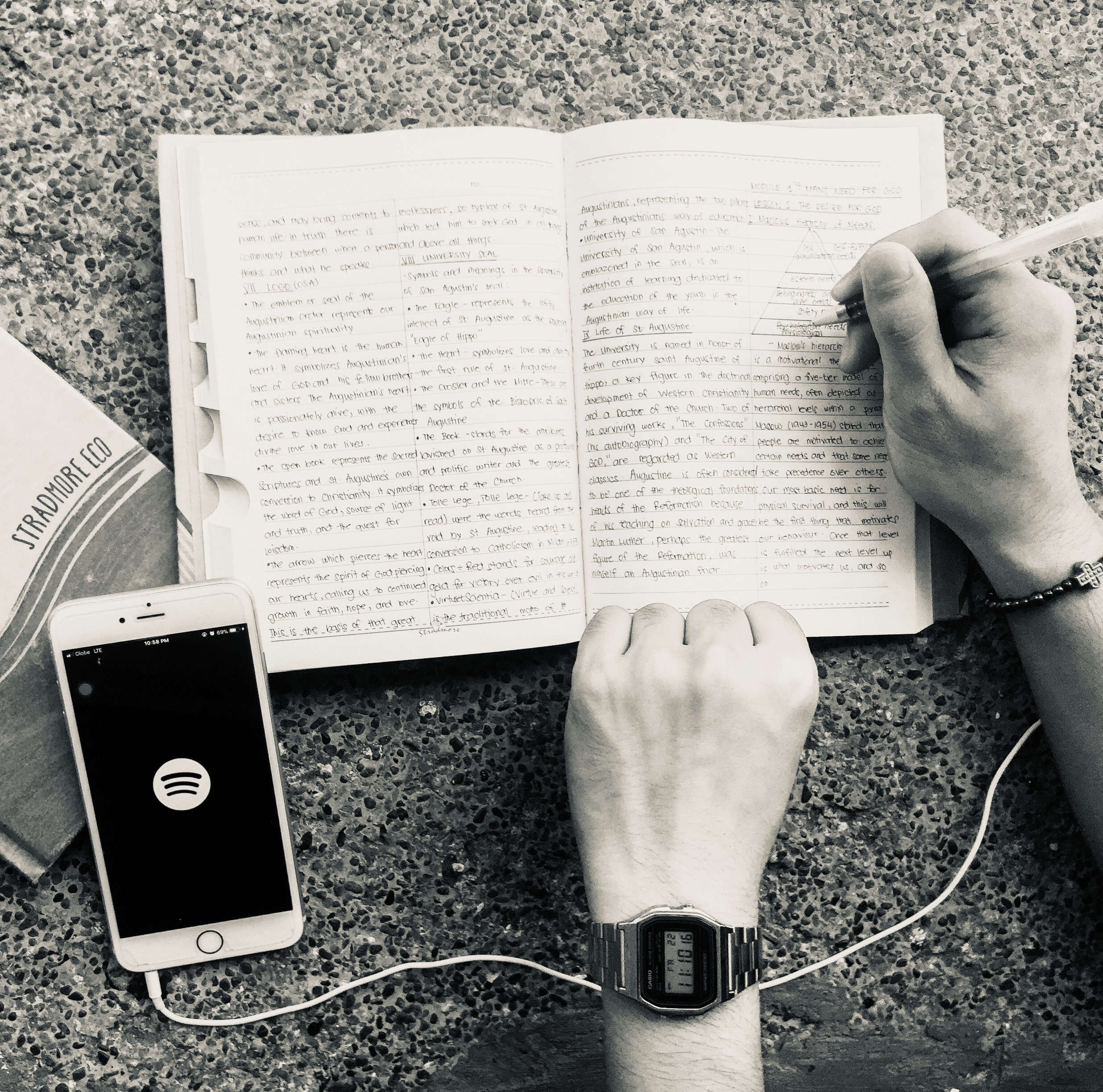
air balloons in sky over Bristol, UK

it has been a time of end of eras. things coming to a close or a major change happening after many years of just coasting along. days unchanging. constant. sure.

the first of these changes has been no.1 child finishing their ‘a’ levels and launching themselves onto the world. they are full of ideas and enthusiasm for what lies ahead, edged with a hint of steely determination. i think they are better prepared than i was at the same stage in life. much more knowledgable and wise.

part of this launch was moving out of the house for 10 weeks to do a course in bristol. the last time i was there was probably for an evening when my friends and i dove up from taunton and went to a large warehouse where four punk bands were playing. the headliner was the henry rollins band. i think he was also trying to flog a poetry book as well.

i have mixed emotions about the departure of no.1. i’m losing a buddy who always had something interesting to talk about. a new discovery. there is a space in the house where they were. but i’m also excited to see what will happen on their journey. what new adventures they will report back on. what life holds for them.

the second end was finishing my WIP. my novella. i started it in october 2022 and it has been with me sporadically since then. it has been the hardest piece of writing to write. it was out of my comfort zone. it had a number of elements i had to juggle and they needed to all land successfully. it was also the most planned because of this. i had to make every step right.

i was sporadic in the writing because i made some major changes to my life. changed my working world. made it less certain. and i’m older than when i wrote ‘wishbone billy.’ i don’t have the energy to do the late nights writing. and i find i also lack the focus now since the covid pandemic and lockdown. my ability to concentrate for long periods has dropped. i’m sure there will be a study somewhere which will look at the impact of covid on the mind. on cognitive function. if not, there should be.

and there was the doubt.the great shadow of the imposter raven on my shoulder. waiting. pecking. freezing my mind. it took some battling some days to overcome it and put words to page. to have the confidence in the project. the belief i could do it. i had to keep telling myself i had done it before. i could do it again.

and so three years later the first draft is done. finished. it is out to beta readers who will come back with an honest verdict on the thing. i look forward to hearing. and am beginning to ponder part two of the series. at the moment it is just a vague thought. but it is forming. ticking over. i’m excited by what my mind will generate.

the last end. the last end of the era. was the death of kaos my cat. he has been at my side many a time as i sat writing. he had appeared in many a prosepoem. but his time had come to an end. it was quick. surprising. heart breaking. there is a small space in the house where he should be. but he is not there. and when i sit at night to read or write it is just that bit more lonely. i think there will be the patter of his feet and a jump as he lands on my lap. but there is nothing. just me. my book. my writing.

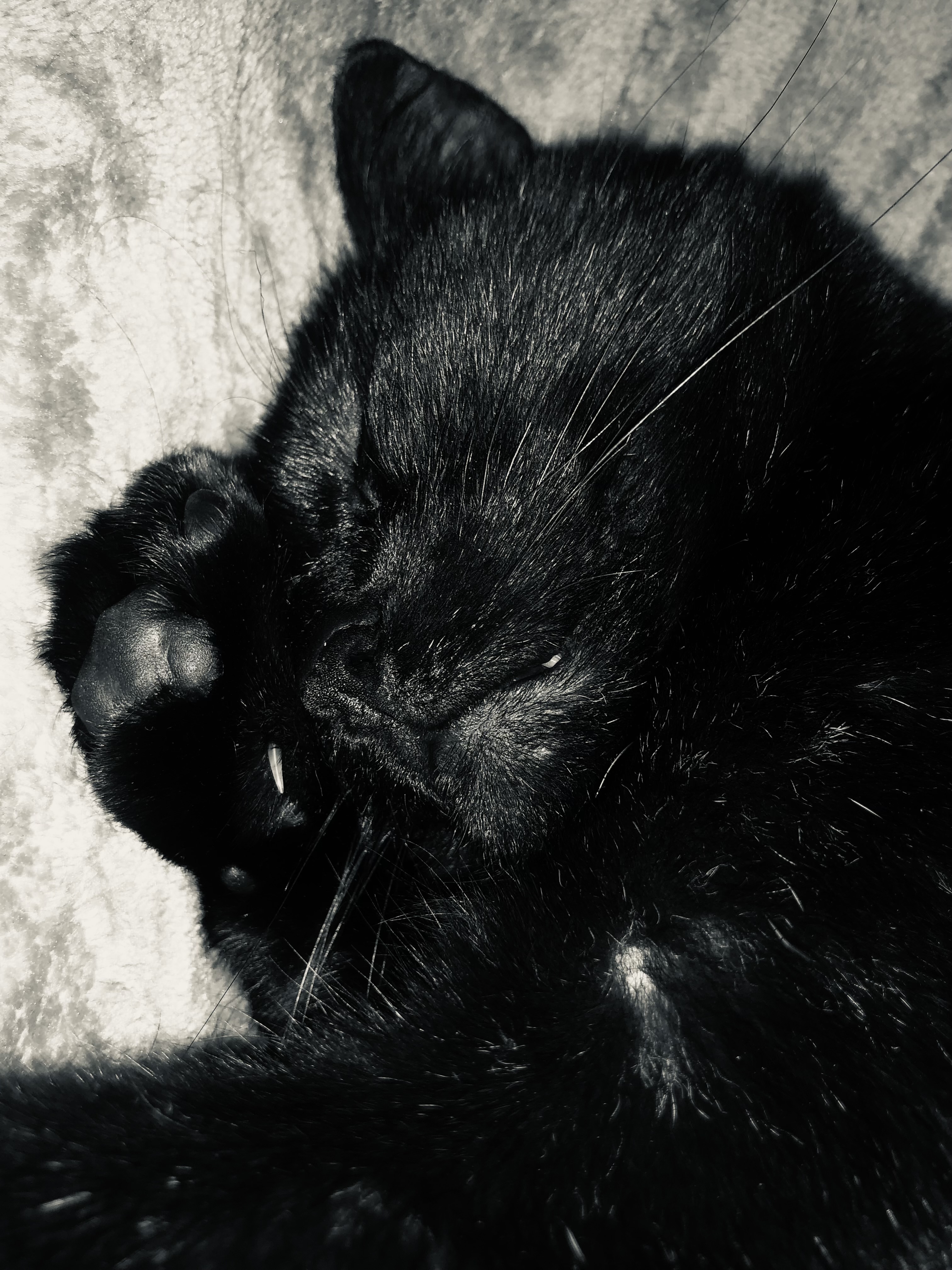
Kaos the cat. black cat.

30

Orange white and black cat

the cat sits on table and i in chair. the house is silent. not a sound. outside not a sound. not even a drunk on a phone swerving on route home. not a sound. silent. i sit in chair writing. gathering the thoughts of the day. now all is calm. a wine at hand. the voices have quietened. external.. internal.  now peace.. the room seems larger. bigger. full of. me. my thoughts. my moment. the quiet.  and me writing.  the light of the lamp casts shadows on the page. shadowing words. shadowing thoughts. moments. ideas. i pause to think.  to connect. recollect. and forget. a combination of desire, dream, and the movement of pen on paper. not sure where to go. being in shadow. once things were clear. clear as day. crisp in air. thought. but that moment has gone. so i sit in shadow. in the silence. with the lamp. cat on table. wine to hand.  the telly is on. but it does not speak. it too has succumbed to silence. the moment.  the hour. a flickering lamp. shadows dance.  then stop.  as my pen runs out of ink. and i am left in a moment in a silent room.

words

White paper on black background

i’ve always had a problem with words. not the deciding on them. not the thinking of them. the focusing on the words to use. the need to reach for a thesaurus because they just won’t come. not that problem. the word count. that’s the issue. no matter how big an idea or how many chapters i seem to always get a low word count.

i plan out my writing. brief lines with a few details what will happen in each chapter. then i begin and write. i sit down at my keyboard and tap away. the idea clear in my mind. full knowledge of the setting and what the character has to achieve in that chapter. i write the scene. describe the setting, add the action and dialogue. build it up as slow as i can. chapter finished. 1500-2000 words. where’s the rest of it? surely i can write longer?

being a two finger typist, i think: maybe its the typing. maybe i should revert back to the old pen and paper. ditch the modern technology. unhamper myself. free myself to write without the distractions a machine brings. but it’s no good. still the same length of chapter. 1500-2000 words. still the problem that the novel is just not long enough for publishers.

perhaps it goes back to me. i’ve never been one to talk lots. always one to listen. speak when i have something to say. something to share. my shaggy dog stories peter out. the dog dies before it gets to the end of the tale. conciseness is in my nature. why use 300 words when a sentence will do? there are some who can talk. really talk. add lots of detail and atmosphere. and write that way. but my thinking has always been why mention the table is red if the colour isn’t important? only mention the details that are important to the plot and events. cut back the chaff.

perhaps my whole approach is wrong. maybe i need to let forth with a wave of unnecessary words. use 100 when 10 would do. but it goes against my grain. perhaps, as i suspect, it is the demanded word counts are wrong that a novel should be the length it should be. should the ‘great gatsby’ be made longer because it doesn’t meet acceptable word counts? max porter’s work lengthened to an epic? or do the publishers need to be more flexible in their approach? is it time for change? perhaps selfish i know. me calling for a revolution just to suit how i write. but think of all the great writing lost because it didn’t meet a required format (i don’t include myself in this).

words. when are many too many? few too few?

sometimes

sometimes you are gripped with imposter syndrome and the feeling you are wasting your time in the futile gesture of putting words to a page in the hope that someday you will be happy with it that it was all worthwhile the evenings of doubt frustration regret hope the unending feeling that you are so close that it is just over there that knots your stomach at night as you try to sleep but your mind won’t rest as it is full of nagging questions about the viability of the project you are working on whether it was all just a foolhardy endeavour in the first place that you rushed in not heeding the warnings that you were overreaching you should try something simpler a haiku maybe no a single sentence start there but you foolish you decided to rush straight in and try and write a novel again with characters not fully formed just going through the paces in unformed scenes like shadows in an early 80’s video game with all line drawings and the only colour is green and you don’;t even like that so you are left with the realisation that your story is missing a big something a great big something and you are a failure you’ve let yourself down and the people you told you were writing a novel and ask how the progress is going but they have now learnt not to ask anymore as the answer is always the same it’s coming along slowly so you are lying there fretting about the blank page in your book that needs words and exhausted your eyes droop then close but just before they close the idea the solution pops in and you write it down on the page by your bed satisfied that the solution has been found you can rest easy now so you sleep happy only to wake the next day and look at that paper and wonder what the fuck that word means and you are right back where you were the day before with mr imposter syndrome.

anyway. it is sometimes good to remind ourselves why we got into this writing malarkey anyway. the best way i find for me is to pick up a book by a writer i like and read their words and be transported and enjoy the sensation of being carried somewhere and then i remember it is making others feel this way through my work is why i do it. the smiles on faces. the appreciative words. the collective joy. that’s why i do it.

107

this is not about love. the way you walk into a room. filling it with light in a moment. words spoken to reassure. praise. warmth radiating from a word. a touch. no. this is not about love. the sweet moments together. exchanging glances across the room. laughing over a glass of wine. the touch of hands. the touch of lips. this is not about love. sweet caresses in the night. hot skin to touch. a warm embrace. silky. breath whispering. no. this is not about love. i’m not that sentimental.

paper vomit

i always struggle with writing. i battle to put words on the page. splatter them on the whiteness. i guess it’s the combination of anxiety and the need for perfection. i worry if the words are not perfect. i physically need them to be perfect. heart beating. mind racing. hands tense.

if they’re not perfect i can’t move on. i can’t write another word. all i can think about is the imperfection. there is something wrong and i need to fix it. even if i can’t identify the flaw there is something that knows it is there. that it requires refining. tearing up and doing again. a single thousand word chapter can take me anything from two weeks to three months. before exhausted by the battle i move on. slow. glancing back at the previous words. the ugly.

i know the first draft is meant to be vomit on the page. i have read it said by wiser and more successful writers than i. just get it down. the edit will fix it. it is what the edit is for. the redraft. the first draft is just for getting the story down. it is only when it is finished you know what your story is really about. where to go next.

i guess it stems from childhood this affliction. my schooling. being told to get my story done ready to present to the teacher and the red pen. it had be perfect first time. we only had one shot at it. later, the schools recognise some redrafting had to be done. so it became a pattern of first draft, edit, final draft. but still that wasn’t enough time. the teacher still had a red pen. and there still were flaws. cracks in the works. why didn’t they allow more time?

i think it was to be kind to us. not to delusion us. writing is bloody hard. it takes hours of toil in a room with a blank page. battling to choose the right words. craft the story. create realistic characters that really speak. not recite. hour upon hour spent on getting it right. only for it to be finally ignored. left unread by our intended audience. who would let children see that? experience that? better to leave them with the dream that putting words to a page was possible by all. without that lie where would our writers come from?

the trouble with tinkering

maybe it started with the sink. we used to have plugs and chains. it was a simple and effective system. you would put the rubber plug in the sink hole. fill the sink with water job done. then a bright spark got to tinkering. what if instead of a plug you had something you could turn and the plug would go down and block the hole? no. not good enough. what about if the plug was just a push and pop up? you just push down on the plug then fill the basin. marvellous. life is simpler.
except…
you now have to replace the whole sink if the plug stops working. just replace the plug. don’t be daft. it’s a more complicated system. what? you used to just get a new plug and chain? oh. that was the old days. things are better now.

or there is the tap. the tap starts dripping. you need a new washer. except that isn’t the solution anymore. you can’t just buy a new washer and stop the dripping. not now. not now with these new taps. we’ve been tinkering. you now have to buy a whole new tap unit if it starts to drip. nothing for it. it’s all inbuilt you see.

that website you like. the one easy to use where you can find everything you like? well, we’ve made a few improvements. we’ve added a pop up help system so you don’t have to look for help. it will pop up every few minutes to remind you we’re there to help. and we’ve tinkered with the menu. we’ve made some features that used to be optional add ons. you now have to pay for them but they are new and improved. better.

that’s the problem with tinkering. it’s infectious.you’ve finished your first draft and edits. and you get to wondering. what if i just add a little bit to the scene here. that will improve. it. oh. now i have a plot hole. i’ll just fix that with adding a bit about the character here. oh. now that character’s actions don’t make sense. i’ll add a new piece about them here. oh. a new plot hole. i just…

don’t tinker. if it works leave it. don’t be tempted. not everything added is an improvement. sometimes things are best left as they are.

moment 28

typewriter image. black and white.

he sat down typed a sentence then stopped. where another once followed there was nothing. just blank. not a thought. not a murmur. not a whisper. just nothing. he crossed the sentence out, moved the paper up. clean. blank. he typed a sentence, different this time. a start of a thought. but the thought remained hidden. elusive. he stopped. where another would follow there was nothing. he pulled the offending paper from the typewriter and tore it to pieces. he threw them about the room. they landed amongst others. he put a new sheet in the machine. stared at the page. once they had been friends. now they were enemies. an invisible barrier lay between them. a breath’s thickness but it was enough. perhaps today was the day. he stood up and made his way to the cellar. took a key off a nail and unlocked the gun cabinet. he took out the shotgun and two shells. he returned to the writing room. he lent the gun in the corner and placed the shells on the windowsill. upright. proud. he looked at them a moment and sat down. he rubbed the scar on his brow. perhaps today. he typed a sentence. a thought. a moment. and waited.