divided worlds

there is separation that exists in all writing. the writer knows it is there. tries to ignore. pretend it doesn’t exist never existed shouldn’t exist must not exist does not deserve to exist but nevertheless persists in its existence. it hangs there. on the edge. like a small snag of fingernail that catches on a jumper as you pull it on and with a sudden sharp pain makes you aware.

a writer sets out when writing a piece in a belief a commitment a fallacy that what they imagine to be what they can imagine to be will come to be. will exist. once they have put pen to paper. drafted. edited. rewritten. checked. line-edited. drafted again. but it is not there. the thing they imagined does not exist. their writing cannot not create it. even if they were to train a million apes brought up on shakespeare how to type and gave them their work to work on for a million years the problem wouldn’t be solved. the final draft would exist but be lacking. would have a distance between the imagined and the reality of the word.

this distance is what writers have to live with. each time they put pen to page. make their plans. start to write. they know they will not achieve the story they set out to do. that there will be a piece lacking. a slither where their skill was just not enough. but they lie to themselves that this time it will be different this time they will be better and sometimes they are and this time they will put their all to it and pull each and every imaginative writing sinew to the creation of their work. but they know they tell themselves a lie. that it is a lie to get them started. else they would never begin or go mad during the writing process.

that is why all writers are great liars. they tell themselves most fundamental untruth to themselves and their reader. they see this is what i had planned this is what i intended now buy my perfect book. but we know this to be untrue. and the reader and writer join in with this lie. form a bond in untruth. until the next time.

doppelganger

Minimalist portraiture women outdoors

Margaret Atwood in her book ‘On Writers and Writing’ talks of authors living in a life of split-personality. Like Dr Jekyll and Mr Hyde we exist with a darker self, our writer’s voice or being. Whilst we live good wholesome lives earning a crust to support our writing identity and enable us to do the thing we love, when faced with a blank page and a typewriter we turn dark. We will happily murder a character that our poor readers have grown to respect and love. We will with joy bestow upon a poor child a life of misery in the harshest of conditions with no seemingly way to exist the torment. We will bring death to the door of a beloved pet. All for the story. Always to the unseen god of story.

It is no wonder then that some readers when faced with the writer in front of them may confuse the voice of the book, the one they had previously trusted until the heroine died horribly in a fire, is the same as the voice of the writer. That both hold the same sentimentalities and beliefs. That both are not indistinguishable from the other. After all, are not writers told to ‘write what you know?’ What more evidence is needed then that the writer is capable of these hideous offensives?

Yet, when writing the writer often detaches themselves from their character and world. Yes, there may be elements of their psyche that influences the path of the story. But the story is a being onto itself. The characters make demands. Choose their own paths. You may hope a character will do certain actions but the god of story may demand otherwise. And who is brave enough to oppose the god of story? Those who do sacrifice their existence.

end of eras

air balloons in sky over Bristol, UK

it has been a time of end of eras. things coming to a close or a major change happening after many years of just coasting along. days unchanging. constant. sure.

the first of these changes has been no.1 child finishing their ‘a’ levels and launching themselves onto the world. they are full of ideas and enthusiasm for what lies ahead, edged with a hint of steely determination. i think they are better prepared than i was at the same stage in life. much more knowledgable and wise.

part of this launch was moving out of the house for 10 weeks to do a course in bristol. the last time i was there was probably for an evening when my friends and i dove up from taunton and went to a large warehouse where four punk bands were playing. the headliner was the henry rollins band. i think he was also trying to flog a poetry book as well.

i have mixed emotions about the departure of no.1. i’m losing a buddy who always had something interesting to talk about. a new discovery. there is a space in the house where they were. but i’m also excited to see what will happen on their journey. what new adventures they will report back on. what life holds for them.

the second end was finishing my WIP. my novella. i started it in october 2022 and it has been with me sporadically since then. it has been the hardest piece of writing to write. it was out of my comfort zone. it had a number of elements i had to juggle and they needed to all land successfully. it was also the most planned because of this. i had to make every step right.

i was sporadic in the writing because i made some major changes to my life. changed my working world. made it less certain. and i’m older than when i wrote ‘wishbone billy.’ i don’t have the energy to do the late nights writing. and i find i also lack the focus now since the covid pandemic and lockdown. my ability to concentrate for long periods has dropped. i’m sure there will be a study somewhere which will look at the impact of covid on the mind. on cognitive function. if not, there should be.

and there was the doubt.the great shadow of the imposter raven on my shoulder. waiting. pecking. freezing my mind. it took some battling some days to overcome it and put words to page. to have the confidence in the project. the belief i could do it. i had to keep telling myself i had done it before. i could do it again.

and so three years later the first draft is done. finished. it is out to beta readers who will come back with an honest verdict on the thing. i look forward to hearing. and am beginning to ponder part two of the series. at the moment it is just a vague thought. but it is forming. ticking over. i’m excited by what my mind will generate.

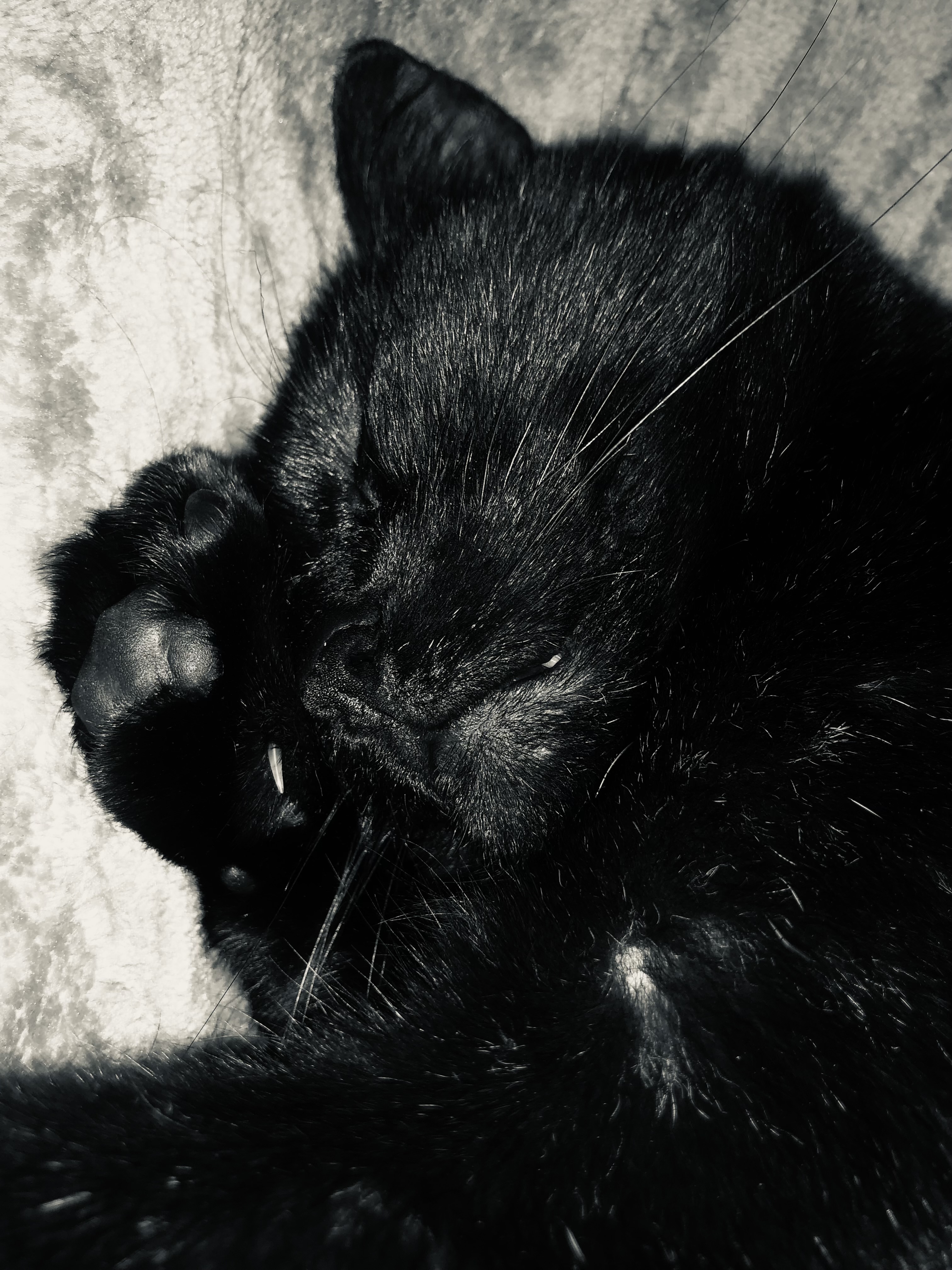
the last end. the last end of the era. was the death of kaos my cat. he has been at my side many a time as i sat writing. he had appeared in many a prosepoem. but his time had come to an end. it was quick. surprising. heart breaking. there is a small space in the house where he should be. but he is not there. and when i sit at night to read or write it is just that bit more lonely. i think there will be the patter of his feet and a jump as he lands on my lap. but there is nothing. just me. my book. my writing.

Kaos the cat. black cat.

words

White paper on black background

i’ve always had a problem with words. not the deciding on them. not the thinking of them. the focusing on the words to use. the need to reach for a thesaurus because they just won’t come. not that problem. the word count. that’s the issue. no matter how big an idea or how many chapters i seem to always get a low word count.

i plan out my writing. brief lines with a few details what will happen in each chapter. then i begin and write. i sit down at my keyboard and tap away. the idea clear in my mind. full knowledge of the setting and what the character has to achieve in that chapter. i write the scene. describe the setting, add the action and dialogue. build it up as slow as i can. chapter finished. 1500-2000 words. where’s the rest of it? surely i can write longer?

being a two finger typist, i think: maybe its the typing. maybe i should revert back to the old pen and paper. ditch the modern technology. unhamper myself. free myself to write without the distractions a machine brings. but it’s no good. still the same length of chapter. 1500-2000 words. still the problem that the novel is just not long enough for publishers.

perhaps it goes back to me. i’ve never been one to talk lots. always one to listen. speak when i have something to say. something to share. my shaggy dog stories peter out. the dog dies before it gets to the end of the tale. conciseness is in my nature. why use 300 words when a sentence will do? there are some who can talk. really talk. add lots of detail and atmosphere. and write that way. but my thinking has always been why mention the table is red if the colour isn’t important? only mention the details that are important to the plot and events. cut back the chaff.

perhaps my whole approach is wrong. maybe i need to let forth with a wave of unnecessary words. use 100 when 10 would do. but it goes against my grain. perhaps, as i suspect, it is the demanded word counts are wrong that a novel should be the length it should be. should the ‘great gatsby’ be made longer because it doesn’t meet acceptable word counts? max porter’s work lengthened to an epic? or do the publishers need to be more flexible in their approach? is it time for change? perhaps selfish i know. me calling for a revolution just to suit how i write. but think of all the great writing lost because it didn’t meet a required format (i don’t include myself in this).

words. when are many too many? few too few?

sometimes

sometimes you are gripped with imposter syndrome and the feeling you are wasting your time in the futile gesture of putting words to a page in the hope that someday you will be happy with it that it was all worthwhile the evenings of doubt frustration regret hope the unending feeling that you are so close that it is just over there that knots your stomach at night as you try to sleep but your mind won’t rest as it is full of nagging questions about the viability of the project you are working on whether it was all just a foolhardy endeavour in the first place that you rushed in not heeding the warnings that you were overreaching you should try something simpler a haiku maybe no a single sentence start there but you foolish you decided to rush straight in and try and write a novel again with characters not fully formed just going through the paces in unformed scenes like shadows in an early 80’s video game with all line drawings and the only colour is green and you don’;t even like that so you are left with the realisation that your story is missing a big something a great big something and you are a failure you’ve let yourself down and the people you told you were writing a novel and ask how the progress is going but they have now learnt not to ask anymore as the answer is always the same it’s coming along slowly so you are lying there fretting about the blank page in your book that needs words and exhausted your eyes droop then close but just before they close the idea the solution pops in and you write it down on the page by your bed satisfied that the solution has been found you can rest easy now so you sleep happy only to wake the next day and look at that paper and wonder what the fuck that word means and you are right back where you were the day before with mr imposter syndrome.

anyway. it is sometimes good to remind ourselves why we got into this writing malarkey anyway. the best way i find for me is to pick up a book by a writer i like and read their words and be transported and enjoy the sensation of being carried somewhere and then i remember it is making others feel this way through my work is why i do it. the smiles on faces. the appreciative words. the collective joy. that’s why i do it.

paper vomit

i always struggle with writing. i battle to put words on the page. splatter them on the whiteness. i guess it’s the combination of anxiety and the need for perfection. i worry if the words are not perfect. i physically need them to be perfect. heart beating. mind racing. hands tense.

if they’re not perfect i can’t move on. i can’t write another word. all i can think about is the imperfection. there is something wrong and i need to fix it. even if i can’t identify the flaw there is something that knows it is there. that it requires refining. tearing up and doing again. a single thousand word chapter can take me anything from two weeks to three months. before exhausted by the battle i move on. slow. glancing back at the previous words. the ugly.

i know the first draft is meant to be vomit on the page. i have read it said by wiser and more successful writers than i. just get it down. the edit will fix it. it is what the edit is for. the redraft. the first draft is just for getting the story down. it is only when it is finished you know what your story is really about. where to go next.

i guess it stems from childhood this affliction. my schooling. being told to get my story done ready to present to the teacher and the red pen. it had be perfect first time. we only had one shot at it. later, the schools recognise some redrafting had to be done. so it became a pattern of first draft, edit, final draft. but still that wasn’t enough time. the teacher still had a red pen. and there still were flaws. cracks in the works. why didn’t they allow more time?

i think it was to be kind to us. not to delusion us. writing is bloody hard. it takes hours of toil in a room with a blank page. battling to choose the right words. craft the story. create realistic characters that really speak. not recite. hour upon hour spent on getting it right. only for it to be finally ignored. left unread by our intended audience. who would let children see that? experience that? better to leave them with the dream that putting words to a page was possible by all. without that lie where would our writers come from?

moment 27

big red stood in the yard. broad shouldered and tall. taller than most there. he could easily carry more than a hundred. once. now, not so sure. time had transformed him. no longer days wandering the streets of the city, saying hello to new folk. folk local to the place and visitors from far off lands he would never see. tales of gleaming buildings, monorails and cars that walked themselves. tales of streets filled with people, almost unable to move, fighting to get home. home to their small boxes with small rooms and small children. in his city not so busy. instead narrow roads, grime-covered bricks, litter dancing on pavements, and sleeping drunks at bus stops. most were nice to him, grateful of his help, happy he was there. others swore at him, hit him as he passed or scrawled obscenities on him as he slept. no, he was old and travelled the city streets no more. instead, he sat in the yard, changed. some days were good. people would come to him, get a drink at a table in sun, or study vibrant art. other times, laughter filled the air. they sat on him listening, waiting for the punchline to come. and the lonely times, he would just sit there, in the yard, in the dark, waiting for day to break. waiting for the company of people. he did not mind his end times. there was nothing he could do. but sit. wait. big red.

ants

according to Google: the common ant you find in british gardens weighs one milligram.

it is a warm summer’s day in june. about 23 degrees. and i lie on the grass in my garden. the sun beats down on my back and legs. i have a black t-shirt on and black jeans. not really summer wear but being a folk who has many a mole this is how i tackle summer and avoid skin cancer. it is hot. even the birds have given up.

i soak up the sun like a lizard. feeling it pour into me. warming every part. i am being slowly baked by heat. delicious heat. as i drift between consciousness and a semi-dream state.

i open my eyes and study the grass before me. it’s several shades of green. lime. jade. olive. pickle. brown in patches. recently cut. it sports a neat trim that is not quite maintained when it reaches the flower borders. there are a few tufts springing up there. the places i didn’t quite cut with the mower. it is not the neatest of jobs but i decide to not let it guilt me. better to be lying in the sun.

my eye is caught by a movement in the grass. it is small but i still catch it. the movement of a cut sliver of green. an ant crossing the jungle of the lawn. crawling between each blade as it makes its way somewhere. i wonder how many ants there are there at that precise moment crawling through the grass. all on an errand to somewhere. perhaps they carry an urgent message. the sighting of a delicious sugary treat in someone’s house. just waiting to be exploited by the right colony of ants. the thought of so many ants crawling around me gives me the creeps. i bring my thumb down and squash the ant in front of me.

i always hated ants. the days before i knew better. when i would unwisely sit near a nest playing. then i would find them crawling on me. tickling my skin. making their way over my legs. i would scream. jump up. frantically bat at my body. try to get them off me. i would run. into the house. screaming. throwing my clothes off. my parents would come running. wondering what the matter was. they would find me. in the shower. hot water flowing over me. cleansing me of my hidden enemy.

i would enact my revenge on the ants. not by pouring hot water over the nest. no. that was too quick. too kind. i would get my lego. build upon a green base piece. a maze of walls with chambers. an entrance in. an exit out. add obstacles to overcome. twigs. leaves. sand. lego dots. then i would catch an ant. place it in the centre of the maze. add one or two more.

i would watch fascinated as they tried to make their way round. over the twigs. through the sand. under the lego dots. one would try to climb the walls. i would knock it back down. it soon learnt that way was futile.

the unfortunate ones would enter the torture rooms. the chambers where a splash of water would fall down. or a cascade of dirt or stones. the really unfortunate would enter the chamber where the brick came. crushing. squashing them. complete.

those that made it out of the maze got special treatment. they would be lifted high between my fingers. and placed upon alone lego brick. hot sun burning down through a magnifying glass. cooking and curling their form. a worthy sacrifice to an unseen god on a plastic alter.

the sun beats down. i lie watching the grass before me. there is another movement. two movements. near each other. two ants this time. making their way across the jungle lawn. are they friends? buddies on a little adventure. did they spend time in their colony of an evening discussing how their day had been? stories of the number of sweet foods found? i bring my thumb down. squash them. fucking ants.

the sun beats down. my lips are parched. but i’m too drowsy to move. i’m enjoying my spot on the grass too much. better to lie here. laying in the heat. i don’t want to move. just to enjoy the warmth on my back. the moment. more movement in the grass. four ants this time.

there was a time when i visited a forest with my parents. a sunday country walk. meant to get us kids away from the tv and invigorate the soul. or some shit like that. ahead of the others. i was clambering down a mud bank. dried earth baked in the sun. brown pine needles littering the earth. down on my back i went. slipping and sliding to the bottom. falling on my arse. i sat there a moment. not realising. not realising i was sat on a group of ants. big fuckers. bigger than the ones we got in our back garden. red and black bodies. shiny like berries. and they bit. oh, how they bit. i screamed and panicked. leapt up away from the ground. brushing frantically at my legs. my feet, they bit more. i don’t know how long i was there screaming and scraping away at my legs with my nails. red raw skin. before my parents came running. consoling. they brushed away the pain. i hated forests after that.

the four ants move across the grass. they are heading my way. i bring my thumb down. the executioner. squashing each one by one.

‘fuck you ants!’ i yell as i kill the last of them. ‘fuck you and all the ants!’

the grass turns to stillness. quiet. tired by the exertion in the sun my eyes droop. close. darkness.

it was the moving sensation that woke me. the sense of bobbing along. like moving on a gentle wave. floating.

i try to open my eyes. but i can’t.

i try to move my hands. but i can’t.

my legs. can’t.

i am bobbing somewhere. moving. being carried by something. i try not to panic. in the blackness. i can feel movement over me. small. tickling. out of reach. it makes me want to scream. but i can’t. my lips are held tight shut.

i try to focus my strength. focus my strength all into my right arm. centre it there. then a sudden movement. a pull. i pull my arm free. claw at my eyes. i can see. i wish i couldn’t.

they don’t fight back. they don’t cover my eyes again. maybe it was a sort of punishment. a way of letting me see the full horror of my situation. my arm is pulled back firmly. i can’t resist.

there are hundreds of them. thousands. thousand upon thousand of small black ants. small black bodies. crawling. moving. on top of me. under me. a thick living blanket of black bodies. constantly on the move. they are all over my mouth. in my ears. around my eyes. i piss myself.

we are in the sun. but are heading somewhere. purposeful. determined. i can’t turn my head to see. all i can see is the sky. crisp white clouds. ocean blue sky of a summer’s day. the ants. then darkness. we have entered somewhere. a tunnel of sorts. it feels as if i’m heading downwards. there is the feint smell of vinegar. we are dipping. along the tunnel. deep. deeper. it seems to be getting warmer the further we go.

i sense movement around me. in the heat. the darkness. and a feint hum. low. on the edges of sound. all around. it is increasing. as we go deeper. like the hum of an old television set when you turn it on. warm. hum. darkness.

then we stop moving. bobbing. downwards. and i feel them turning me. there is light here. i sense a presence. something powerful. i don’t want them to turn me. to see. the hum fills my head. my skull. pressing. my black captors release me. disappear in the dim light. my eyes get accustomed. then i see. and i scream.

the chamber is hot. stuffy. stifling. it stinks of vinegar. strong. overpowering. it stings my eyes. i blink to see. above me. towering over me. in this large chamber. is a huge figure. six limbed. thick as trunks. hairs like thorns. head the size of a small black car. mandibles opening and closing. giant shears that could snap an arm in two. a beast as tall as a house. a giant ant. the god ant. the humming intensifies. painful. and i know it comes from the god ant. it fills my head. i understand it. what it is saying. and it terrifies me.

the common ant you find in british gardens weighs one milligram.

hemingway

i first came across hemingway when doing a course on writing at citylit, london. if you don’t know citylit, it’s an adult learning college locate near holborn tube. that big long road that winds it way down pass theatres and hotels to waterloo bridge and the south bank. citylit runs many creative courses and i heard good things about its writing courses and heard they were doable if on a budget. i’m always on a budget.

the courses are often taught by stabilised writers. this one was taught by scott bradfield. we were often set things to read. and he set us the short story ‘hills like white elephants’ to read. i read it. read it again. it was like a revelation to me. here was a writer cutting out loads of description, reams of adjectives and adverbs, to pare back the story to its essence. the writing was like a fresh of air. a chill winter wind that wakes you from a night of over indulgence. it was like hemingway was giving me permission to do something. something i had long thought.

i had studied literature as part of my ba. a diet of hardy, dh lawrence, and george eliot (oh god, george eliot). they loved their long winding descriptions where a hundred words were better than five. long rolling descriptions of the scenery. adjective upon adjective that wound their way across the pages before a character did something. followed by exposition. how they loved exposition.

i followed this by teaching primary and mainly reading children’s literature. children’s literature loved an adverb and adjective. not forgetting a liberal use of simile and as many words for ‘said’ you could think of. so did the national curriculum. this is what they decided good writing consisted of. no hemingway style for them. you had to use lots of adverbs and adjectives to tick the boxes. not forgetting the whole range of punctuation.

it is not surprising then that this is what i thought writing was. had to be. i had been fed a diet of word types. all the word types. used liberally and often. yet i was not satisfied. why did we have to mention all the senses? in every description? surely, you should focus on the important ones for that scene? and did we really need long passages of description to describe a setting whilst the character was left in limbo? doing nothing. waiting for us to finish. my thinking was we should treat the setting as a character. and f important to the plot. then we spent time on it. but if passing through. was there a need? i began to have doubts over the way writing was taught and the way i wrote.

so reading hemingway gave me approval of my ideas. to leave the adverbs behind. use adjectives sparingly. use five words instead of a hundred. cut writing to the bone. to the essential. to what i considered important. gone were adverbs. i went further. reducing articles. conjunctives. pairing back the range of punctuation. the length of a sentence. reducing the sentence to its minimum. to the minimal point at which it could still be understood.

my prose-poetry is a concentrated version of that. my short stories and the novel i’m working on. less so. grammarly would have a system failure reading those. and i continue to experiment. wonder how further i should push it. the results are here on this website. see what you think.

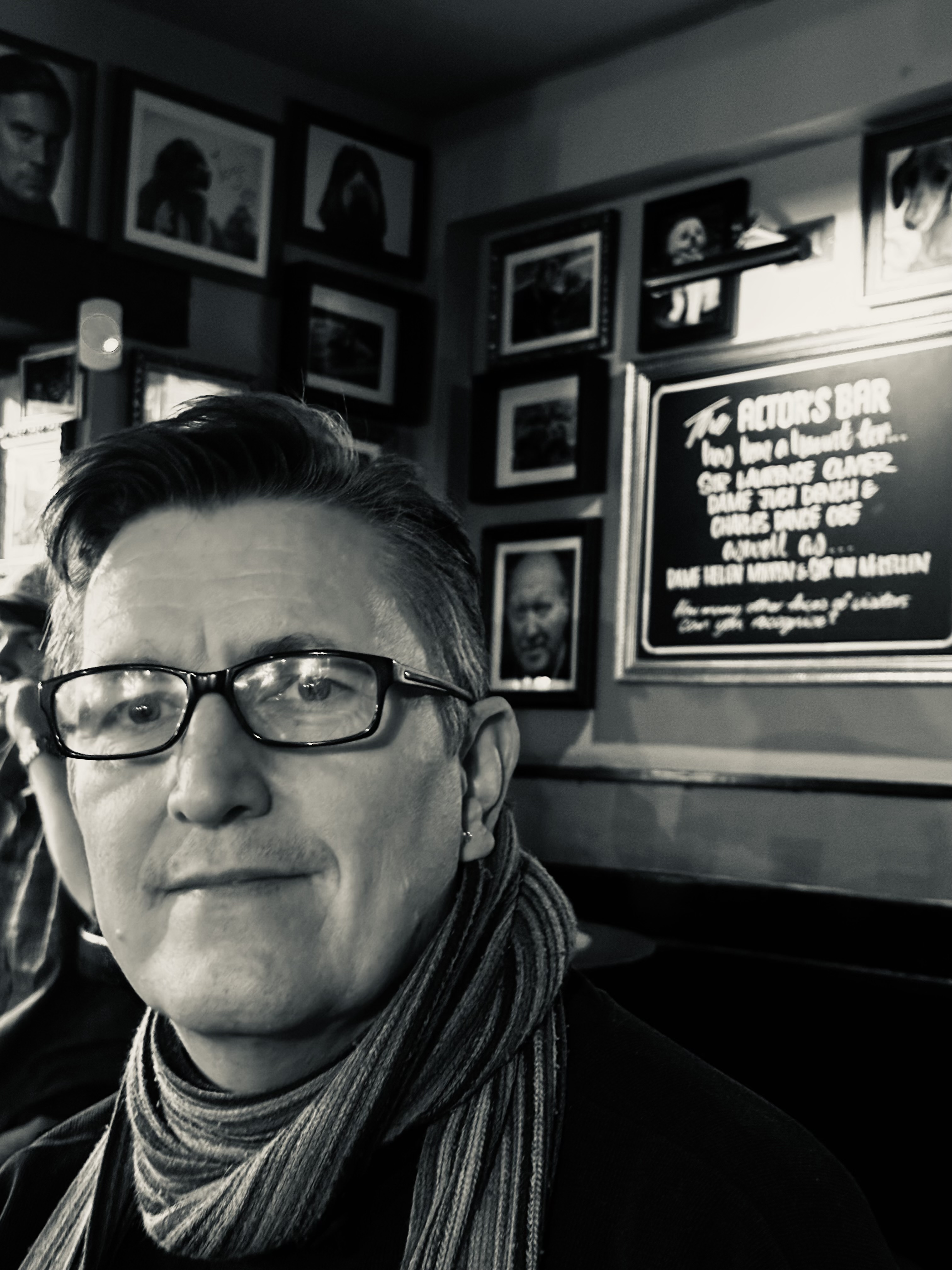
the photo? the significance of the photo? that’s me in a bar in barcelona that hemingway was meant to frequent. it was meant to have changed little since his time. unlike the bar. i think hemingway has changed writing forever.

writing routine

finding time to write can be problematic. it can affect getting into a routine. and can make the routine or writing habits you follow. many books advocate writing regularly. some say every day. i have never managed that. being busy with family life. and holding down two other jobs to pay the bills can impact on the time you have available. and by time: i’m not just on about physical time. the time to be free from work. i’m also on about the more important mental time. if you have stressful jobs that are mentally taxing and full on then it takes awhile to achieve quietness. the quietness you need to let your imagination play. explore. dance from thought to thought. place to place. if your’e mentally exhausted this takes longer. first you have to recoup. then gain the quietness. then focus on the writing.
so i snatch my quietness. my writing time. it is not regular. or frequent. and due to that. i forget. i forget what i have written before. where i am in my novel. the threads i have set up. i plot but they are brief notes. often single lines for a chapter. a glimpse as to what the chapter may hold. the rest i write on the hoof. by the seat of my pants.
this means i break all the rules of writing. i don’t edit after i’ve written a first draft. despite how many writers recommend this. i write a chapter or section. leave it whilst i turn my attention to family and jobs. return to the writing. read that chapter and edit. write the next chapter. i edit and write as i go.
i tend to find i don’t do a lot of change. maybe it’s because i ponder a lot what the next chapter is going to be. if i can remember it. think about the characters. the situation i left them in. and i’m a slow typist. that helps. i use just two fingers to type. this has the effect of slowing me down. so by the time i write a sentence or word it has been edited in my head several times. the paragraph shaped. that is why some writers advocate writing by hand. to allow time to think.
when i wrote my first novel. it was by hand. and the edits. only at the final stage did i type it up. i still do some writing by pen. my prose-poetry. it is straight from pen to paper then to ipad. a few changes on the way. novels are straight onto ipad.
i use Scrivener. i like the corkboard and how it can be used to easily shift things around or generate an outline. the outline proves very useful writing a synopsis for agents, etc. i write my novels sequentially. i don’t hop to a scene if stuck. some writers do that. but i can’t work that way. i need to solve a problem before i move on. not that i have many problems. due to all the time between chapters and typing it down i usually have them ironed out in my head.
i also make use of a good writing group. it is local to me and offers invaluable insight on what i’ve written. they will point out if something doesn’t quite work or needs fleshing out more. and it provides a good indicator how a reader might react. do they laugh when you intended? were they surprised by an outcome as you wanted? or was it all guessed too earlier in the story, leaving no surprises?
writing groups also give a good incentive to write. you want to make it worthwhile going. to offer something to an audience. to not go empty handed. this keeps you on track.
however you write is up to you. you find your own path. despite what some may think. there is no secret formula to writing a novel or getting a book published. it is all out there. you can read loads of books on the subject for suggestions. but ultimately it is down to you. your words. your effort.