london has been the inspiration for my writing since i moved here over 25 years ago. from the outside you might think is a humongous whole on crossing the river thames like some great up turned turtle flailing it’s legs. or you might think it is just a large discarded black bin bag discarded carelessly across a stream. both would be somewhat true but inaccurate. fairer to say that london is a collection of towns, neighbourhoods, connected by the web that is the london underground system.
it is known for certain people to rarely leave their particular neighbourhood. to never venture much further than their local high street and corner shops. after all, what need for the centre of the city when you can find what you need on your doorstep? i have known children to have only for the first time to have experienced other polaris of the city, the tube, when taken on school trips with their schools. otherwise their familys stay put.
and who can blame them when you consider the city of london itself, the centre core, is made up of towering office buildings and bars and stores that close over the weekend. what to entice the venturous then? particularly when you factor in the increase in prices should you enter there.`
yet central has much to offer. numerous museums and galleries where you can seek inspiration for a tale. cafes where you can watch the world go by whilst surrounded by works from the past. hidden lanes that lead you to a bygone age of mystery with a pint in a boozer at the end where the decor and clients haven’t changed in years.
then outside of central you have the neighbourhoods. often referred to by their stop on the tube line. in the south: brixton and its caribbean roots gradually gentrifying with the influx of the thirty-somethings in search of their first homes. in the west: richmond where the money lives with leafy parks and pubs upon the thames. in the east: barking with sprawling council estates and descendants of the working class made good. in the north: haringey, the home of protest, upheaval. these are just some places but there are many more and everywhere, the wealthy rub shoulders with the poor divided by the post code they choose to live in.
with such variety and diversity in a living museum of culture, who could not get inspired to write? how could it not play a key role in the work im producing?
Category Archives: writer
hemingway
i first came across hemingway when doing a course on writing at citylit, london. if you don’t know citylit, it’s an adult learning college locate near holborn tube. that big long road that winds it way down pass theatres and hotels to waterloo bridge and the south bank. citylit runs many creative courses and i heard good things about its writing courses and heard they were doable if on a budget. i’m always on a budget.
the courses are often taught by stabilised writers. this one was taught by scott bradfield. we were often set things to read. and he set us the short story ‘hills like white elephants’ to read. i read it. read it again. it was like a revelation to me. here was a writer cutting out loads of description, reams of adjectives and adverbs, to pare back the story to its essence. the writing was like a fresh of air. a chill winter wind that wakes you from a night of over indulgence. it was like hemingway was giving me permission to do something. something i had long thought.
i had studied literature as part of my ba. a diet of hardy, dh lawrence, and george eliot (oh god, george eliot). they loved their long winding descriptions where a hundred words were better than five. long rolling descriptions of the scenery. adjective upon adjective that wound their way across the pages before a character did something. followed by exposition. how they loved exposition.
i followed this by teaching primary and mainly reading children’s literature. children’s literature loved an adverb and adjective. not forgetting a liberal use of simile and as many words for ‘said’ you could think of. so did the national curriculum. this is what they decided good writing consisted of. no hemingway style for them. you had to use lots of adverbs and adjectives to tick the boxes. not forgetting the whole range of punctuation.
it is not surprising then that this is what i thought writing was. had to be. i had been fed a diet of word types. all the word types. used liberally and often. yet i was not satisfied. why did we have to mention all the senses? in every description? surely, you should focus on the important ones for that scene? and did we really need long passages of description to describe a setting whilst the character was left in limbo? doing nothing. waiting for us to finish. my thinking was we should treat the setting as a character. and f important to the plot. then we spent time on it. but if passing through. was there a need? i began to have doubts over the way writing was taught and the way i wrote.
so reading hemingway gave me approval of my ideas. to leave the adverbs behind. use adjectives sparingly. use five words instead of a hundred. cut writing to the bone. to the essential. to what i considered important. gone were adverbs. i went further. reducing articles. conjunctives. pairing back the range of punctuation. the length of a sentence. reducing the sentence to its minimum. to the minimal point at which it could still be understood.
my prose-poetry is a concentrated version of that. my short stories and the novel i’m working on. less so. grammarly would have a system failure reading those. and i continue to experiment. wonder how further i should push it. the results are here on this website. see what you think.
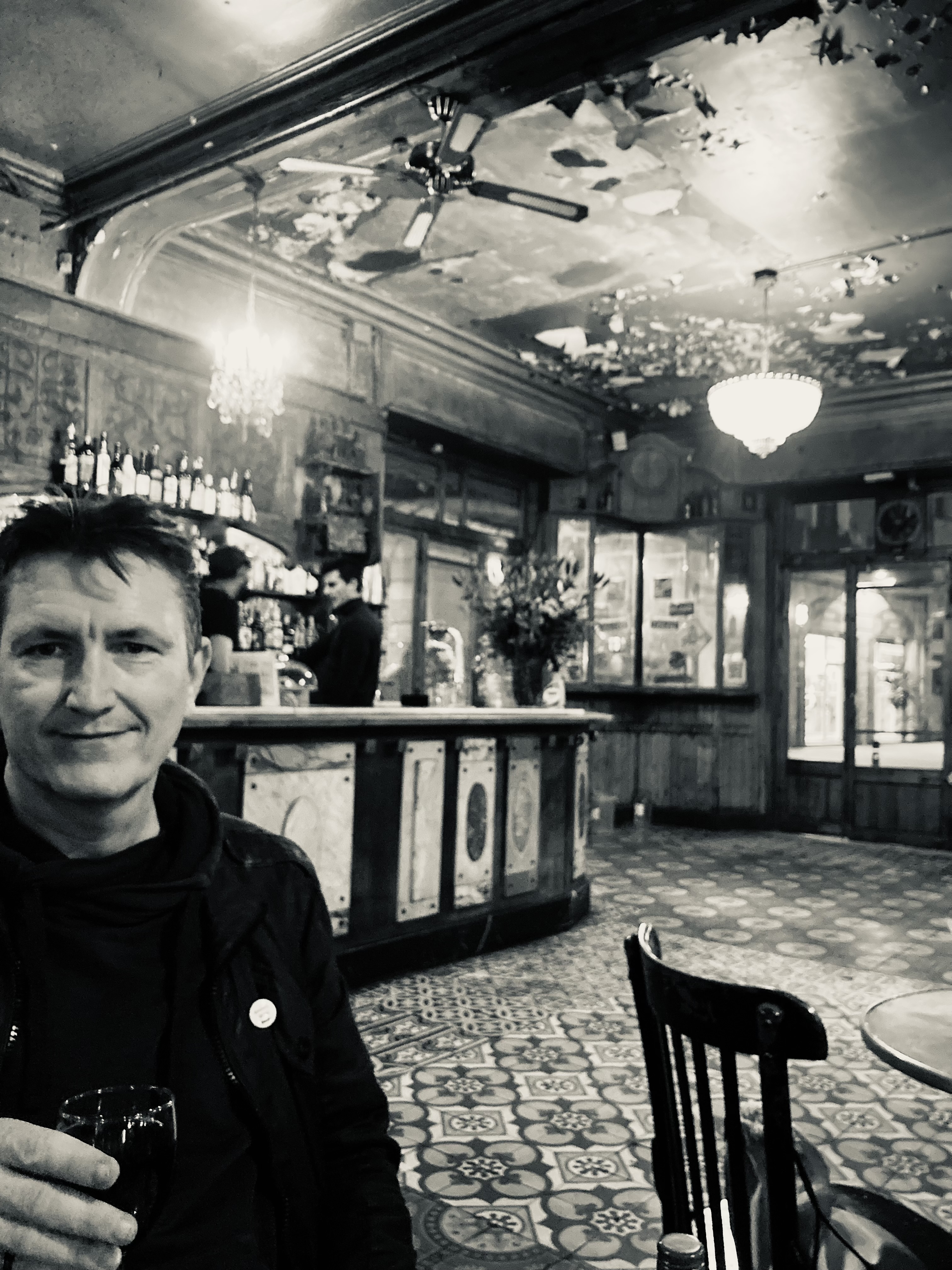
the photo? the significance of the photo? that’s me in a bar in barcelona that hemingway was meant to frequent. it was meant to have changed little since his time. unlike the bar. i think hemingway has changed writing forever.
writing routine
finding time to write can be problematic. it can affect getting into a routine. and can make the routine or writing habits you follow. many books advocate writing regularly. some say every day. i have never managed that. being busy with family life. and holding down two other jobs to pay the bills can impact on the time you have available. and by time: i’m not just on about physical time. the time to be free from work. i’m also on about the more important mental time. if you have stressful jobs that are mentally taxing and full on then it takes awhile to achieve quietness. the quietness you need to let your imagination play. explore. dance from thought to thought. place to place. if your’e mentally exhausted this takes longer. first you have to recoup. then gain the quietness. then focus on the writing.
so i snatch my quietness. my writing time. it is not regular. or frequent. and due to that. i forget. i forget what i have written before. where i am in my novel. the threads i have set up. i plot but they are brief notes. often single lines for a chapter. a glimpse as to what the chapter may hold. the rest i write on the hoof. by the seat of my pants.
this means i break all the rules of writing. i don’t edit after i’ve written a first draft. despite how many writers recommend this. i write a chapter or section. leave it whilst i turn my attention to family and jobs. return to the writing. read that chapter and edit. write the next chapter. i edit and write as i go.
i tend to find i don’t do a lot of change. maybe it’s because i ponder a lot what the next chapter is going to be. if i can remember it. think about the characters. the situation i left them in. and i’m a slow typist. that helps. i use just two fingers to type. this has the effect of slowing me down. so by the time i write a sentence or word it has been edited in my head several times. the paragraph shaped. that is why some writers advocate writing by hand. to allow time to think.
when i wrote my first novel. it was by hand. and the edits. only at the final stage did i type it up. i still do some writing by pen. my prose-poetry. it is straight from pen to paper then to ipad. a few changes on the way. novels are straight onto ipad.
i use Scrivener. i like the corkboard and how it can be used to easily shift things around or generate an outline. the outline proves very useful writing a synopsis for agents, etc. i write my novels sequentially. i don’t hop to a scene if stuck. some writers do that. but i can’t work that way. i need to solve a problem before i move on. not that i have many problems. due to all the time between chapters and typing it down i usually have them ironed out in my head.
i also make use of a good writing group. it is local to me and offers invaluable insight on what i’ve written. they will point out if something doesn’t quite work or needs fleshing out more. and it provides a good indicator how a reader might react. do they laugh when you intended? were they surprised by an outcome as you wanted? or was it all guessed too earlier in the story, leaving no surprises?
writing groups also give a good incentive to write. you want to make it worthwhile going. to offer something to an audience. to not go empty handed. this keeps you on track.
however you write is up to you. you find your own path. despite what some may think. there is no secret formula to writing a novel or getting a book published. it is all out there. you can read loads of books on the subject for suggestions. but ultimately it is down to you. your words. your effort.
moment 22
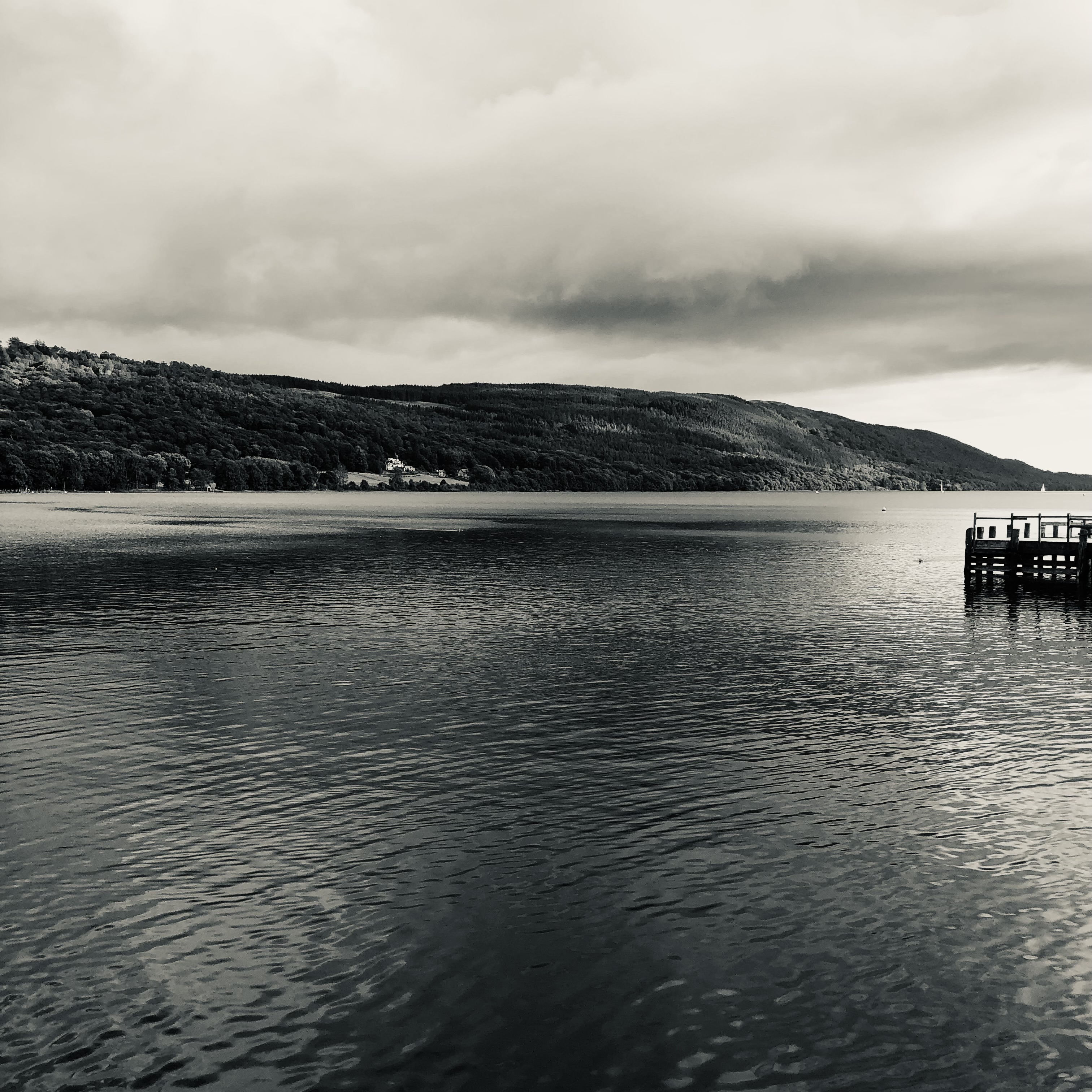
i sit by lake coniston watching the water ripple across the surface surrounded by tree banked hills and the gentle curve of mountains. the sun dances on the water celebrating the day, the break of storms and torrential summer rain. swans glide curious at the commotion but proud to show off their young to any who will give them attention. the launch leaves the jetty, sending great ripples to unnerve the newborn rowers and offering a moments excitement to the many paddle boarders with glaring colours of orange and green. the screams of children splashing and the chatting of adults in the sun. tea cups clink in the bluebird cafe as orders are yelled by the staff. a wave of sound fills the air flattening the moment as smoke rises from campfires away in the woods. what would wordsworth have made of his beloved hills and water? would he have found the time to stop and think, to channel god’s talent and compose? or would the constant din of activity stifle and consume, killing thought in its grasp of sound, a black cloud of storm thunder smothering, drenching the poet, blotting his page, words obliterated as soon as thought of, all consumed by the downpour? what then to history? the writer’s lost to a life dull and obscurity, not the conversation in a white cottage or the delight of a sister, but sad mournful days of what could have been, if only, if only.
raven
lately i’ve been suffering a bout of imposter syndrome. when i work as a bookseller i rarely, if at all, mention i write. instead it remains a subject pushed to the back. hidden away. securely. in a box. wrapped in chains. big large lock. the key secreted away. i feel the dark bird of the imposter resting in the shadows. hovering on my shoulder. i can’t call myself a real writer. i’m merely self-published.
ok. it doesn’t mean i feel that self-published writing has less quality controls. many employ editors to analyse their work. typesetters to arrange the pages. designers for the covers. great expense is invested in their work. to achieve the goal of a finished book. and often the writing is great. brilliantly put together. they just weren’t chosen by the gatekeepers. and those gatekeepers are not infallible. the great publishing house make mistakes. who hasn’t tutted at a traditionally published book with errors in the text or a glaring plot hole?
yet still the dark bird hovers. i was no it chosen to be amongst the traditionally published. certain websites and organisations shun the self-published. only the traditionally published will do. it does not matter to them or me how many hundreds of books i’ve sold. i was not chosen. i am the harry to the william. no great reward awaits me.
i often think when edgar allen poe wrote of a raven he was having a particularly bad bout of imposter syndrome. it was there at his door. clawing to get in. to dig the talons in. so i remain silent on my writing. mention it not to the traditionally published. my dirty secret. instead i keep it hidden. only revealing it to my writing group or spoken word events. then i hurry away. pages destroyed. the shame hidden.
moment 11
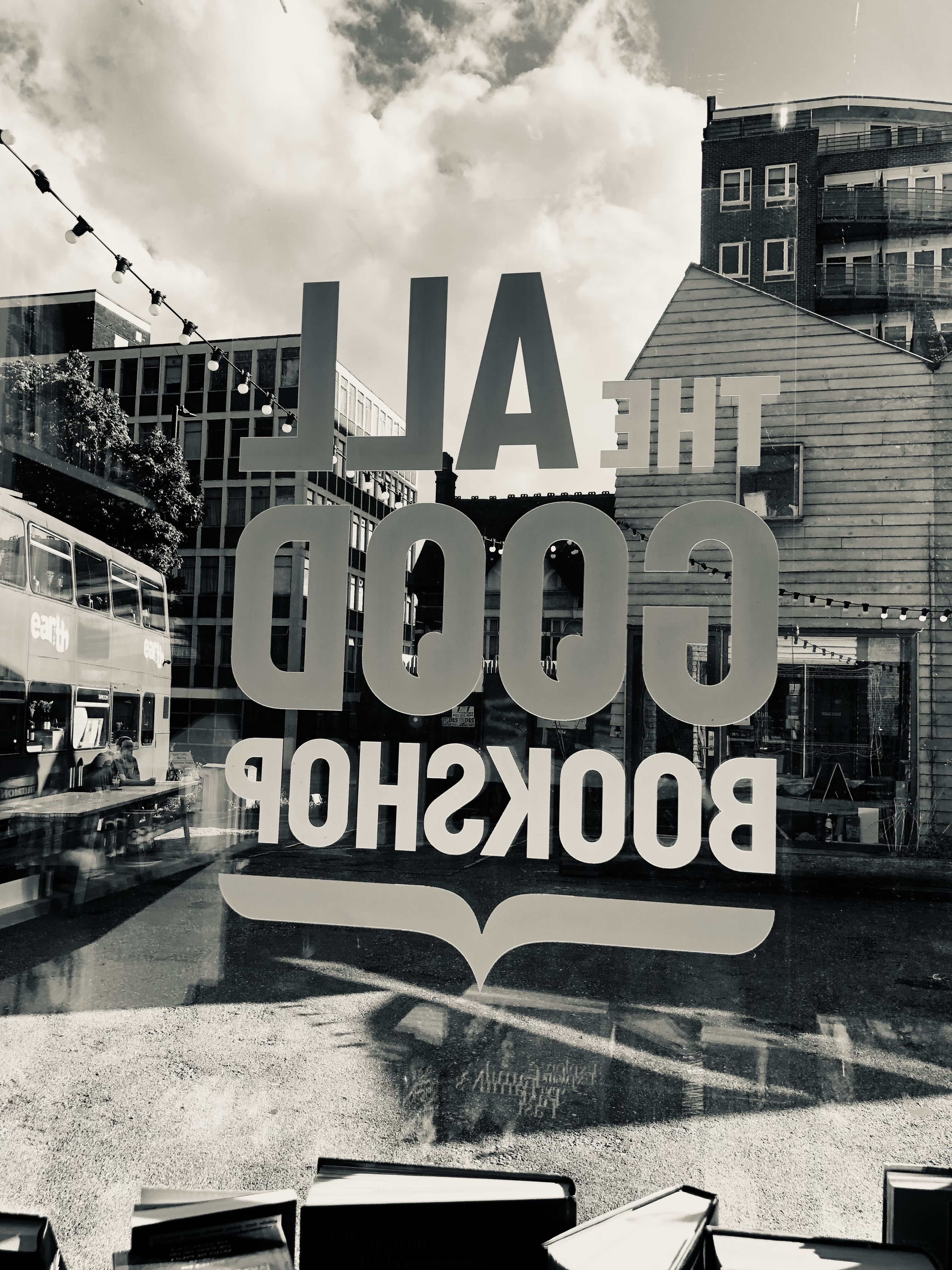
so i am sat here in a courtyard surrounded by boutique shops and a bus that is a bar. i come here to escape the distractions of day time TV or the internet, the endless ramblings of social media. i sit sometimes in the yard on an unsteady bench or on other days in the 2nd hand bookshop, writing in my small black moleskine notebook with a drink to hand. usually, i am left alone to ponder, imagine and daydream before a customer comes into the bookshop to interrupt and peck at my quietness. but it is a bookshop. so we are often in our own worlds, them in an endless list of book titles seeking to hook, me in a sentence, a moment, searching for a word that stays just out of reach. the courtyard was not always such a pleasant place. once it was an unloved carpark full of lost promise and refuse. now, it is a place of creativity and creation. ideas blossom until the yard is full of flowers waiting to be picked.
moment 7
old men with ghosts in their eyes sit sipping the first of the day. lost friends and family float in the air as carcasses chew on a roasted nut. they remember happier laughter when mates were plenty and pints 50p. now the laughter is full of bitter tears that fall on froth making sad eyes. No Name sits in his usual seat pouring down blackcurrant soda. he looks enviously at the amber glasses. no longer. doctor’s orders. Racist Phil peers angrily over his drink at the diverse staff then takes a sip of his barcadi and coke. they always smile politely. a lone lady with ruddy face and dye streaked silver hair takes a dash of wine then places a beer mat carefully over the rim. she waits for Harold. what’s keeping him? it’s his round. over cooked sausages, too crisp bacon, and soggy hash browns are presented to customers as a culinary delight. even the watered sauce wants to steer clear. businessmen too tight for Costas sit drinking free refill coffee while loudly demanding attention on their mobile phones. charge points are plenty but none are free. the dregs of the morning hang on as the lunchtime crowd are drawn in by special thursday curry with drink. laughter flies up as banter is machine gunned across tables and mobiles are compared. have you seen this photo? are they real? they can’t be. a lost family wanders in search of convenience. a grubby white high chair is offered like a fallen throne and gratefully accepted. a quick wipe down and it’ll be all right. a fruitshoot and chips for the kids, salad and spritzers for the mums. aren’t we being decadent. what would Michael say? thank heavens for colouring sheets and crayons. No Name orders a blackcurrant and starts the sun crossword. the lone lady, cursing Harold, drinks another wine. peppered curry arrives with lone poppadom and too sweet mango chutney. somewhere a cook cries in his grave. the rush comes to an end and the hearty remain. long gone the businessmen and mums – children to collect. Lone lady gives up, sinks her wine and asks for a taxi. she never has a phone. the writer smile’s at the content, sips his beer.
falling
writing is hard. and life gets in the way. i had the day planned. a few household chores. iron a few items for work. clear the table. write. re-write the chapter i’ve been failing to write for two months. but then life sends a curve ball. your path gets skewed. the odd jobs take longer. your mind won’t settle. won’t clear. too focused on the tomorrow. too focused on the before. no space for the now. you become exhausted by it all. the pressure on the self. mind blocks. you are prevented from getting into the creative zone. the point where your mind wanders, creates, imagines. plays games. instead you are stuck in reality. concrete grey blocks surround you. blind your vision. a single tone of grey.
anyway. it’s been one of those days. i got no writing done.
stuff about writing
So I have been reading ‘Swallowed by a Whale’ which is a book all about writing by writers and I have come to a few conclusions about writing.
1) Write. You should write. There is no avoiding it. Even if you dislike it. You have to write to become a writer. Many say each day. Or regularly. The amount of time does not matter or the word count. The important thing is to do some writing. Not to put it off. Procrastinate. Clean the tiles in the kitchen with a toothbrush. After all, that blank page will not fill itself.
2) Thinking counts as writing. Daydreaming counts as writing. Going for a walk daydreaming about thinking about writing counts as writing. It is important to do. It solves writing problems. It gives your mind space to create. No need to ask permission. Just do it. I find walking somewhere or sitting in a pub always works for me. Try it.
3) Adverbs are out. And adjectives as well. Exclamation marks for some reason! I have no idea why. They just say they are. Words will be next. You have been warned.
4) Where you write doesn’t matter. At a table. On the tube. In a specially constructed hut with all your nice things that someone else paid for (I wish). I tend to write in pubs. I find if I am away from household things I’m not feeling guilty about the things I haven’t done. I can give myself permission to write. When I’m in the house and writing I feel neglectful.
5) Get your first draft down and don’t worry too much about errors. Do not start rewriting your first few chapters over and over again as much of it will be cut. Mind you, I don’t follow that rule at the moment. I am writing a chapter, taking an enforced break, re-writing that chapter, write a new one. I find it gets me back in to writing as I can’t always write every day. It continues my flow and allows me to think of ideas to add to a chapter and act on it within a short time frame. I’m no good at making novel writing notes. Mine would be too brief so completely incomprehensible when going back to a chapter. Or so detailed, they would take longer than the novel. My approach works for me. It may work for you. Try it. Think about. Then do it your way.
6) Do not compare yourself to other writers or try to be another writer. You can’t. You can only be you. Their books you read have had a lot of time spent on so your first draft won’t be like that. And their lived experience makes them what they are and how they write. If you try to copy, it will be a pale imitation. Write you. Do not worry about other writers’ success. Think about your own triumphs. Set yourself small manageable goals. It is the nature of writing that you will never be happy with what you have achieved. Sorry. But we are riddled with self doubt. Even great writers like Dickens thought their writing might not be up to scratch.
7) Do not read reviews. Positive ones will only enlarge the ego and make you think you are a master of your craft and don’t need to improve. This leads to stagnation. Or you will think you are terrible and stay awake every night thinking about them. Just be happy if someone buys your book. If only just once. Someone liked the idea. You.
9) If you’re writing you are a writer. No one says to an unexhibited artist they’re not an artist or unrecorded musician they are not a musician. If you create you are a creator. You don’t need permission or official recognition to be a writer. Are you writing? Then you’re a writer. It’s that simple.
10) Writers like lists. They’re quick to write.
Thoughts based on Swallowed by A Whale (How to survive the writing life),’Edited by Huw Lewis-Jones.
2022 and all that
Well, 2022 brought a number of changes which impacted on what I write here. I have been submitting a new novel for consideration. But primarily, I have been writing a lot of prose-poetry. This has led me to the new outlet for my writing of Spoken Word.
What is Spoken Word?
Spoken word is when you perform any piece of writing to a group of people. It is often poetry but can be a story, monologue, or something else. It is quite flexible as to format.
Due to writing a lot of prose-poetry and sharing at my favourite writing group, I was encouraged to attend a Spoken Word night. I went along, sat, watched, then thought: I want to set up one of those. And where better than my favourite bookshop in my local area. So far they have been going well and I have been exposed to some great fresh writing that excites me and always leaves me thinking. Such a variety is on offer. All unique voices that should be heard.
Children love Spoken Word and enjoy writing poetry so it is a great thing to do for World Book Week. Why not start by enjoying watching some Michael Rosen, Benjamin Zephaniah, John Hegley, Kate Tempest, or Anthony Joseph?
As well as Spoken Word, I have been plotting and writing another one. I have changed my approach and audience for it. I’m venturing somewhere new. It is challenging and exciting. I’m trying to apply some of the approaches I use for my prose-poetry to the novel writing. I’m not sure it will work. Only time can tell.
What have you been doing?