divided worlds

there is separation that exists in all writing. the writer knows it is there. tries to ignore. pretend it doesn’t exist never existed shouldn’t exist must not exist does not deserve to exist but nevertheless persists in its existence. it hangs there. on the edge. like a small snag of fingernail that catches on a jumper as you pull it on and with a sudden sharp pain makes you aware.

a writer sets out when writing a piece in a belief a commitment a fallacy that what they imagine to be what they can imagine to be will come to be. will exist. once they have put pen to paper. drafted. edited. rewritten. checked. line-edited. drafted again. but it is not there. the thing they imagined does not exist. their writing cannot not create it. even if they were to train a million apes brought up on shakespeare how to type and gave them their work to work on for a million years the problem wouldn’t be solved. the final draft would exist but be lacking. would have a distance between the imagined and the reality of the word.

this distance is what writers have to live with. each time they put pen to page. make their plans. start to write. they know they will not achieve the story they set out to do. that there will be a piece lacking. a slither where their skill was just not enough. but they lie to themselves that this time it will be different this time they will be better and sometimes they are and this time they will put their all to it and pull each and every imaginative writing sinew to the creation of their work. but they know they tell themselves a lie. that it is a lie to get them started. else they would never begin or go mad during the writing process.

that is why all writers are great liars. they tell themselves most fundamental untruth to themselves and their reader. they see this is what i had planned this is what i intended now buy my perfect book. but we know this to be untrue. and the reader and writer join in with this lie. form a bond in untruth. until the next time.

doppelganger

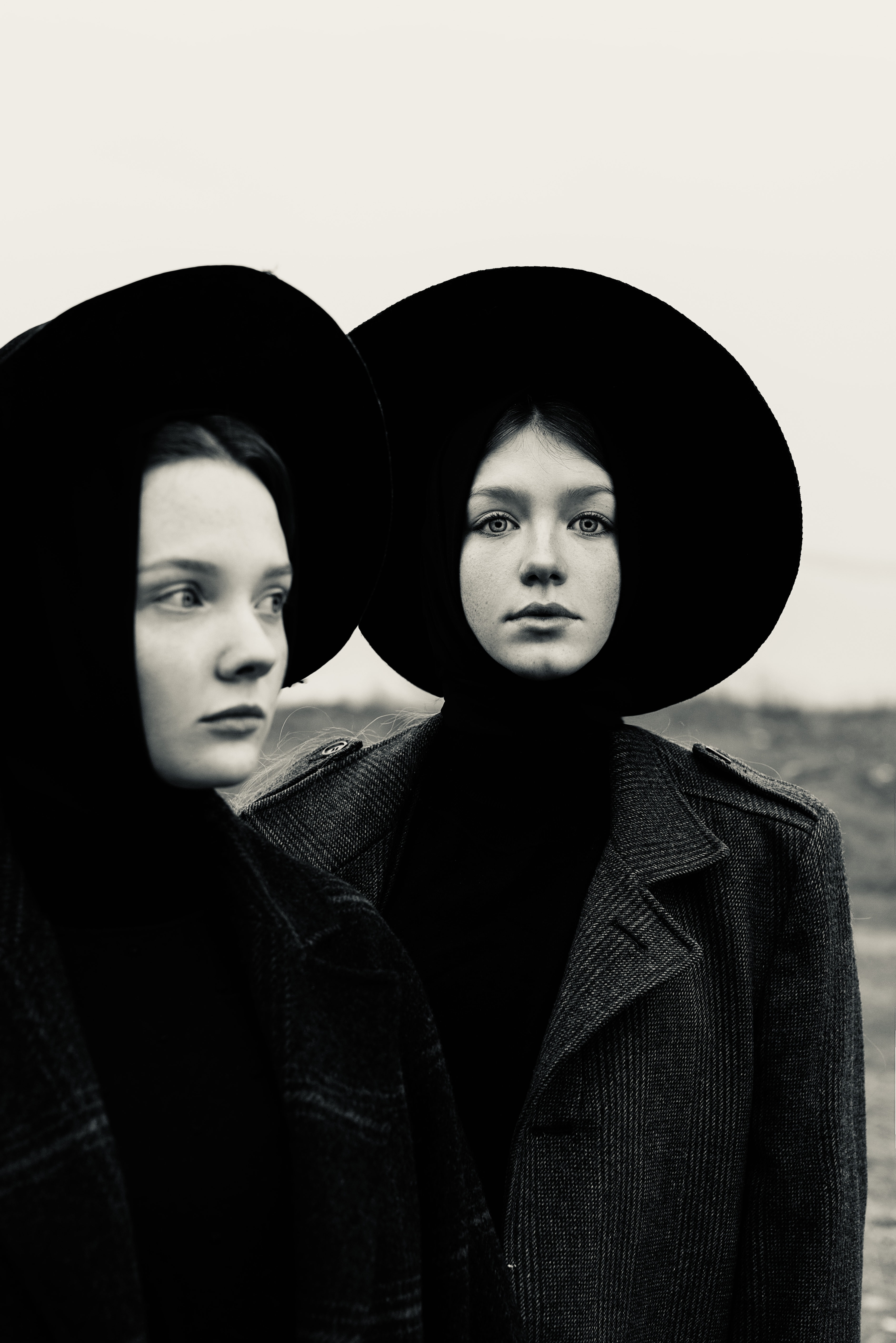
Minimalist portraiture women outdoors

Margaret Atwood in her book ‘On Writers and Writing’ talks of authors living in a life of split-personality. Like Dr Jekyll and Mr Hyde we exist with a darker self, our writer’s voice or being. Whilst we live good wholesome lives earning a crust to support our writing identity and enable us to do the thing we love, when faced with a blank page and a typewriter we turn dark. We will happily murder a character that our poor readers have grown to respect and love. We will with joy bestow upon a poor child a life of misery in the harshest of conditions with no seemingly way to exist the torment. We will bring death to the door of a beloved pet. All for the story. Always to the unseen god of story.

It is no wonder then that some readers when faced with the writer in front of them may confuse the voice of the book, the one they had previously trusted until the heroine died horribly in a fire, is the same as the voice of the writer. That both hold the same sentimentalities and beliefs. That both are not indistinguishable from the other. After all, are not writers told to ‘write what you know?’ What more evidence is needed then that the writer is capable of these hideous offensives?

Yet, when writing the writer often detaches themselves from their character and world. Yes, there may be elements of their psyche that influences the path of the story. But the story is a being onto itself. The characters make demands. Choose their own paths. You may hope a character will do certain actions but the god of story may demand otherwise. And who is brave enough to oppose the god of story? Those who do sacrifice their existence.

words

White paper on black background

i’ve always had a problem with words. not the deciding on them. not the thinking of them. the focusing on the words to use. the need to reach for a thesaurus because they just won’t come. not that problem. the word count. that’s the issue. no matter how big an idea or how many chapters i seem to always get a low word count.

i plan out my writing. brief lines with a few details what will happen in each chapter. then i begin and write. i sit down at my keyboard and tap away. the idea clear in my mind. full knowledge of the setting and what the character has to achieve in that chapter. i write the scene. describe the setting, add the action and dialogue. build it up as slow as i can. chapter finished. 1500-2000 words. where’s the rest of it? surely i can write longer?

being a two finger typist, i think: maybe its the typing. maybe i should revert back to the old pen and paper. ditch the modern technology. unhamper myself. free myself to write without the distractions a machine brings. but it’s no good. still the same length of chapter. 1500-2000 words. still the problem that the novel is just not long enough for publishers.

perhaps it goes back to me. i’ve never been one to talk lots. always one to listen. speak when i have something to say. something to share. my shaggy dog stories peter out. the dog dies before it gets to the end of the tale. conciseness is in my nature. why use 300 words when a sentence will do? there are some who can talk. really talk. add lots of detail and atmosphere. and write that way. but my thinking has always been why mention the table is red if the colour isn’t important? only mention the details that are important to the plot and events. cut back the chaff.

perhaps my whole approach is wrong. maybe i need to let forth with a wave of unnecessary words. use 100 when 10 would do. but it goes against my grain. perhaps, as i suspect, it is the demanded word counts are wrong that a novel should be the length it should be. should the ‘great gatsby’ be made longer because it doesn’t meet acceptable word counts? max porter’s work lengthened to an epic? or do the publishers need to be more flexible in their approach? is it time for change? perhaps selfish i know. me calling for a revolution just to suit how i write. but think of all the great writing lost because it didn’t meet a required format (i don’t include myself in this).

words. when are many too many? few too few?

a psychogeography of turnpike lane

in the summer of 2023, during the haringey arts festival, i got involved with a writing project. the idea was to map the psychological reaction to local area in turnpike lane, london through pieces of poetry and prose. we spent an afternoon exploring and writing about the local area.

writers ventured out. made notes. then sat and scribbled a piece or pieces of writing. what resulted was a collection of work that spoke of different roads, shops, buildings, or journeys.

after some editing and compiling by clever people, a book was born. some abstract illustrations were added to accompany the work, and a year late the book was launched in london.

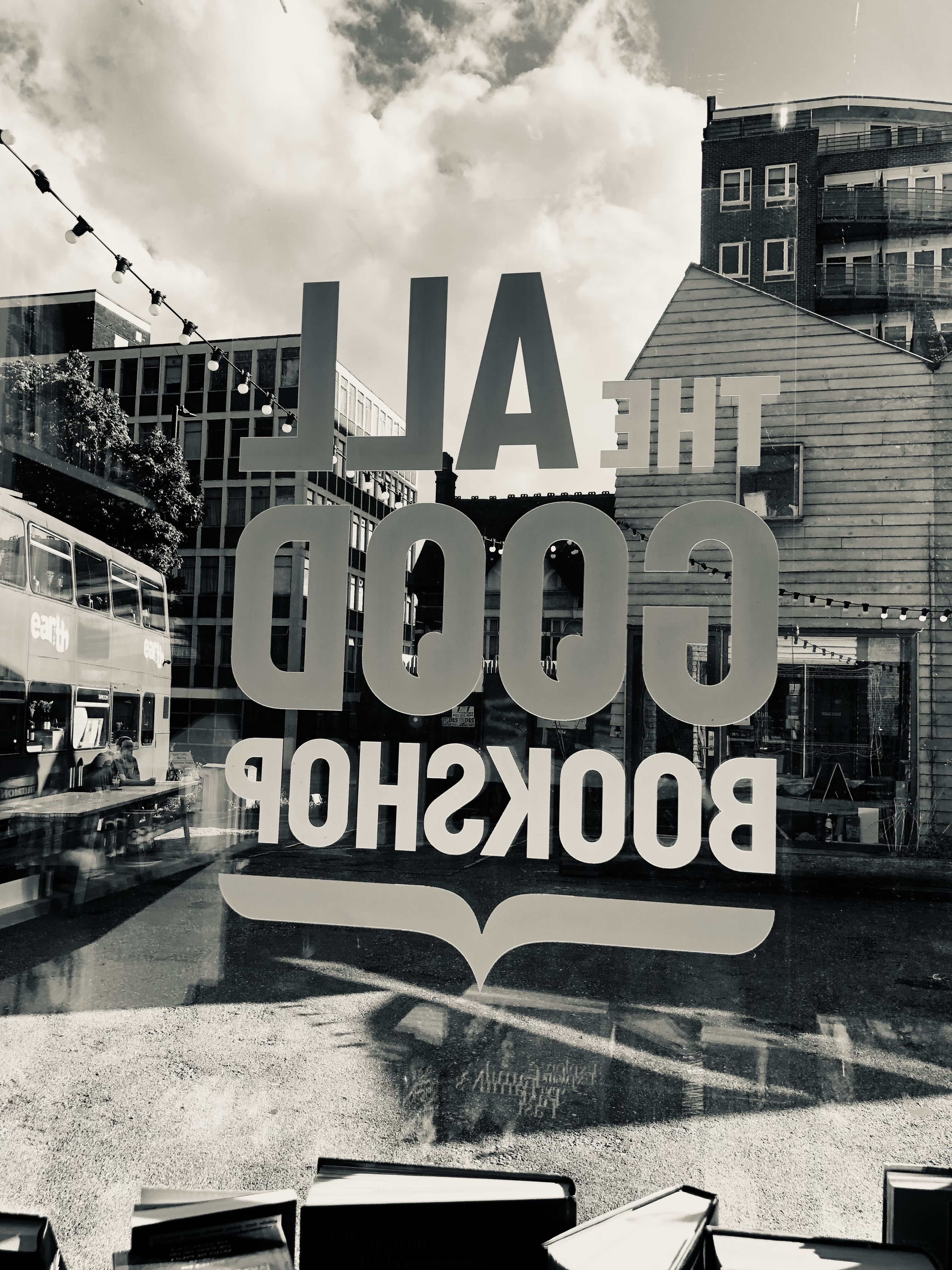
i attended a launch in the all good bookshop which is right in the heart of turnpike lane. extracts were read, discussion took place, plans were made, and whiskey dunk.

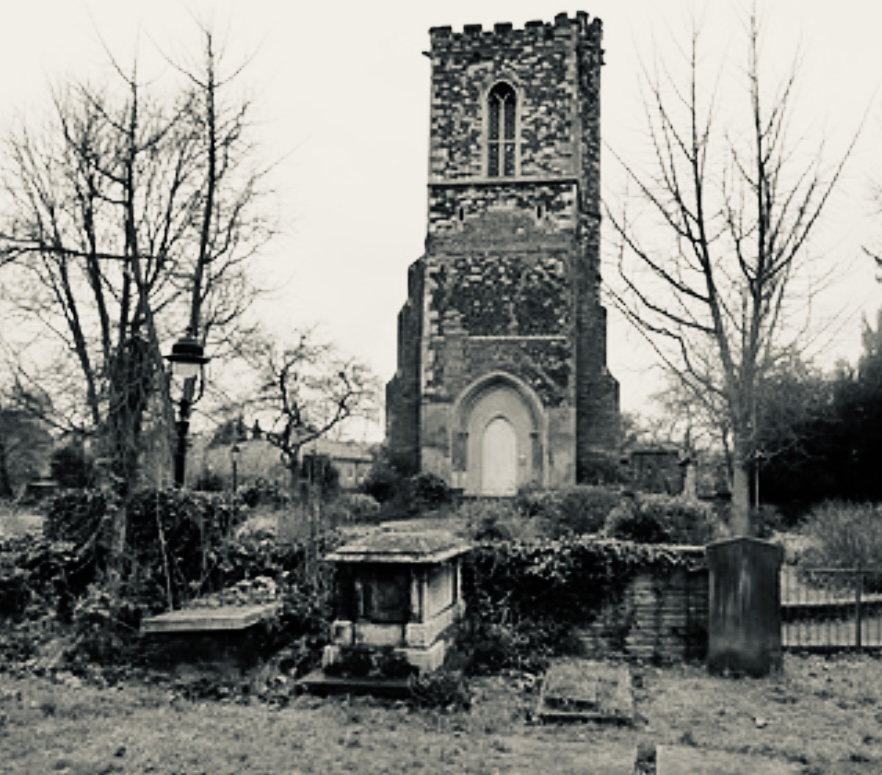
friday 20th september sees us at the magnificent st mary’s tower in hornsey to promote the book. it promises to an atmospheric evening of celebration, laughter, and possibly intrigue.

new york

a guy plays sax for coin on the corner of 6th avenue and 55 street. mechanical rabbits and cats dance to the beat. a few walkers tap their feet to the rhythm, sway to the sound. but give no dime. they’re too busy waiting to cross. pass the manhole covers venting steam in the 31 heat. they cross. on their way to meet. sit in a bar. sip a cool beer.
outside barnes & noble on 5th avenue a grey old man sleeps. head on a box. slumbered. he holds a sign in one hand. black marker pen: please help i am homeless, oh god save us all, oh god save us all. he makes no dollar. he doesn’t notice.
the street sellers set up their plastic crates with goods for the night crowds. genuine rolexes and gucci bags for a ten. they give their patter to the tourists. everything is for sale. even souls.
the queue builds outside the rock. the red carpet awaits. cool efficiency bundles the bodies in for a view like no other. come enjoy the ride. sorry the tops closed. lightning expected.
the wise seek shelter in the air-cooled diner. iced lattes and milk shakes with candy floss. all day breakfast. delivered with a smile. they work hard for their tip. the manager smiles.
in dillon’s the locals drink ice-cool beer and watch the sports on the many screens. how we doing in paris? there is the crack of the pool table as the screen light gleams off the copper jars hanging from the ceiling.
in the bar of the renwick hotel loud music plays. you have to sell a kidney to pay for a beer. they take your money with a smile. a drunk new yorker tells you about his wall street deals and visit to london. he’s scathing of both. but it is no better here.
the strand bookstore. the lost wander the shelves looking for loved ones. they find them hardbound. there is the smell of coffee by the graphic novels and teenage girls browse the romance novels. not that one – my mum would kill me!
lafayette is a place of chilled wine and flaky pastry. pistachio cream filled croissants are devoured eagerly as talk turns to the best shops for sneakers. have you tried macy’s?
in the white horse tavern in west village tourists drink cocktails and tell stories of dylan thomas. you can’t help thinking the place was better then.
empty boutique stores in greenwich village display designer goods without the price tag. no one goes in. the locals instead walk their dogs and talk of the best place to get coffee.
in washington square the young play for the crowds. street sellers have handcrafted trinkets. you can play chess for a fee. a bare chested man practices his dance moves. too vigorous. his shorts fall down. unperturbed. he dances on.
times square you get bundles by mickey and his friend mickey. with mickey. their mouse features are fixed grinned. menacing. the screens pop ads encouraging you to spend. come on! embrace the american dream.

london

london has been the inspiration for my writing since i moved here over 25 years ago. from the outside you might think is a humongous whole on crossing the river thames like some great up turned turtle flailing it’s legs. or you might think it is just a large discarded black bin bag discarded carelessly across a stream. both would be somewhat true but inaccurate. fairer to say that london is a collection of towns, neighbourhoods, connected by the web that is the london underground system.
it is known for certain people to rarely leave their particular neighbourhood. to never venture much further than their local high street and corner shops. after all, what need for the centre of the city when you can find what you need on your doorstep? i have known children to have only for the first time to have experienced other polaris of the city, the tube, when taken on school trips with their schools. otherwise their familys stay put.
and who can blame them when you consider the city of london itself, the centre core, is made up of towering office buildings and bars and stores that close over the weekend. what to entice the venturous then? particularly when you factor in the increase in prices should you enter there.`
yet central has much to offer. numerous museums and galleries where you can seek inspiration for a tale. cafes where you can watch the world go by whilst surrounded by works from the past. hidden lanes that lead you to a bygone age of mystery with a pint in a boozer at the end where the decor and clients haven’t changed in years.
then outside of central you have the neighbourhoods. often referred to by their stop on the tube line. in the south: brixton and its caribbean roots gradually gentrifying with the influx of the thirty-somethings in search of their first homes. in the west: richmond where the money lives with leafy parks and pubs upon the thames. in the east: barking with sprawling council estates and descendants of the working class made good. in the north: haringey, the home of protest, upheaval. these are just some places but there are many more and everywhere, the wealthy rub shoulders with the poor divided by the post code they choose to live in.
with such variety and diversity in a living museum of culture, who could not get inspired to write? how could it not play a key role in the work im producing?

moment 11

so i am sat here in a courtyard surrounded by boutique shops and a bus that is a bar. i come here to escape the distractions of day time TV or the internet, the endless ramblings of social media. i sit sometimes in the yard on an unsteady bench or on other days in the 2nd hand bookshop, writing in my small black moleskine notebook with a drink to hand. usually, i am left alone to ponder, imagine and daydream before a customer comes into the bookshop to interrupt and peck at my quietness. but it is a bookshop. so we are often in our own worlds, them in an endless list of book titles seeking to hook, me in a sentence, a moment, searching for a word that stays just out of reach. the courtyard was not always such a pleasant place. once it was an unloved carpark full of lost promise and refuse. now, it is a place of creativity and creation. ideas blossom until the yard is full of flowers waiting to be picked.

stuff about writing

Image of cup with writing on it. Prose poem writing.

So I have been reading ‘Swallowed by a Whale’ which is a book all about writing by writers and I have come to a few conclusions about writing.


1) Write. You should write. There is no avoiding it. Even if you dislike it. You have to write to become a writer. Many say each day. Or regularly. The amount of time does not matter or the word count. The important thing is to do some writing. Not to put it off. Procrastinate. Clean the tiles in the kitchen with a toothbrush. After all, that blank page will not fill itself.

2) Thinking counts as writing. Daydreaming counts as writing. Going for a walk daydreaming about thinking about writing counts as writing. It is important to do. It solves writing problems. It gives your mind space to create. No need to ask permission. Just do it. I find walking somewhere or sitting in a pub always works for me. Try it.

3) Adverbs are out. And adjectives as well. Exclamation marks for some reason! I have no idea why. They just say they are. Words will be next. You have been warned.

4) Where you write doesn’t matter. At a table. On the tube. In a specially constructed hut with all your nice things that someone else paid for (I wish). I tend to write in pubs. I find if I am away from household things I’m not feeling guilty about the things I haven’t done. I can give myself permission to write. When I’m in the house and writing I feel neglectful.

5) Get your first draft down and don’t worry too much about errors. Do not start rewriting your first few chapters over and over again as much of it will be cut. Mind you, I don’t follow that rule at the moment. I am writing a chapter, taking an enforced break, re-writing that chapter, write a new one. I find it gets me back in to writing as I can’t always write every day. It continues my flow and allows me to think of ideas to add to a chapter and act on it within a short time frame. I’m no good at making novel writing notes. Mine would be too brief so completely incomprehensible when going back to a chapter. Or so detailed, they would take longer than the novel. My approach works for me. It may work for you. Try it. Think about. Then do it your way.

6) Do not compare yourself to other writers or try to be another writer. You can’t. You can only be you. Their books you read have had a lot of time spent on so your first draft won’t be like that. And their lived experience makes them what they are and how they write. If you try to copy, it will be a pale imitation. Write you. Do not worry about other writers’ success. Think about your own triumphs. Set yourself small manageable goals. It is the nature of writing that you will never be happy with what you have achieved. Sorry. But we are riddled with self doubt. Even great writers like Dickens thought their writing might not be up to scratch.

7) Do not read reviews. Positive ones will only enlarge the ego and make you think you are a master of your craft and don’t need to improve. This leads to stagnation. Or you will think you are terrible and stay awake every night thinking about them. Just be happy if someone buys your book. If only just once. Someone liked the idea. You.

9) If you’re writing you are a writer. No one says to an unexhibited artist they’re not an artist or unrecorded musician they are not a musician. If you create you are a creator. You don’t need permission or official recognition to be a writer. Are you writing? Then you’re a writer. It’s that simple.

10) Writers like lists. They’re quick to write.

Thoughts based on Swallowed by A Whale (How to survive the writing life),’Edited by Huw Lewis-Jones.

Wild Words Festival 2022

So Friday 3rd to Sunday 5th June is the Wild Words Festival in Cuffley, Hertforshire. I am on stage Friday at 4:30pm and I must say I am really looking forward to it.

I have been sifting through my children’s poems to find daft ones, silly ones, disgusting ones to share to warm the audience up before we get onto the serious business of wishes.

Wishes are so important to stories. Without them many things would not happen. Events would not take place and characters would not be motivated to do something. Of course, the problem with making a wish is that usually something goes wrong as Billy found out Wishbone Billy.

If you can make the festival, do say high and do let me know what you thought of my books if you bought them. I always love to find out from children what they think. If you can’t make the Wish Wonder you will probably find me hanging out in the festival’s bookshop buying more books when I really shouldn’t. I have so many to read already!

Anyway, whatever you are doing over the weekend don’t forget to take time to find a quiet space and make a wish. Maybe just a small one. You never know who might be listening.

POEM: Bookshop

Quiet are the shelves
Time to let the words whisper.
Tomorrow they will be noisy.
Shouting stories at customers.
Protesting: buy me!
Medusa will leave you as a stone.
Transfixed before the shelves.
If only you had brought a shield.
But then, it is a bookshop.

This poem came about because I was in my favourite bookshop waiting for the end of day. It made me think of how quiet a bookshop must be at night and how each page of the books had a story to tell and wanted our attention.